Monsoon Deluge Exposes Delhi’s Infrastructure Fault Lines
Trending Global
Heavy rains in New Delhi have paralysed the capital, prompting debate over urban planning and climate resilience in rapidly developing economies.
What just happened
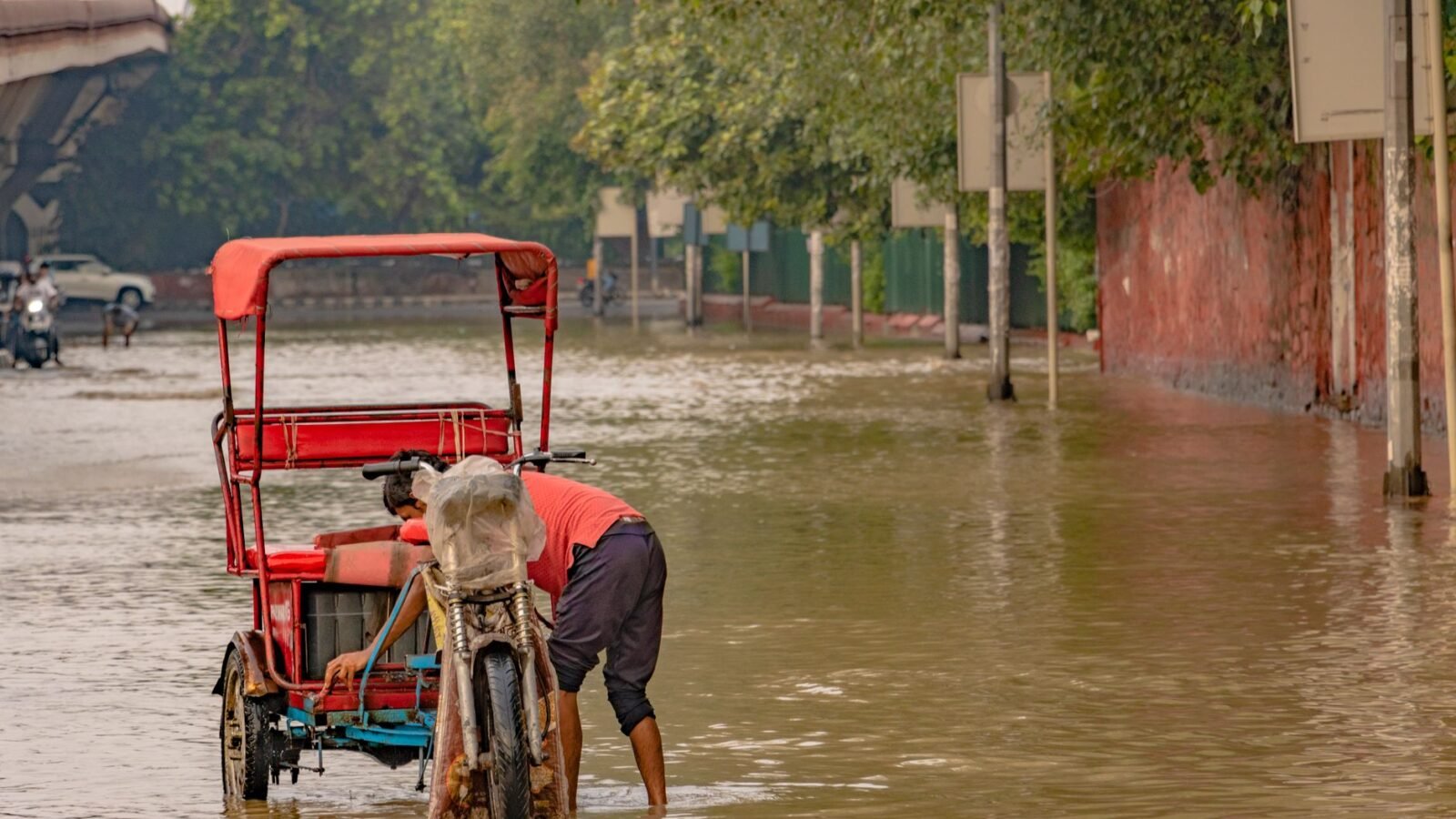
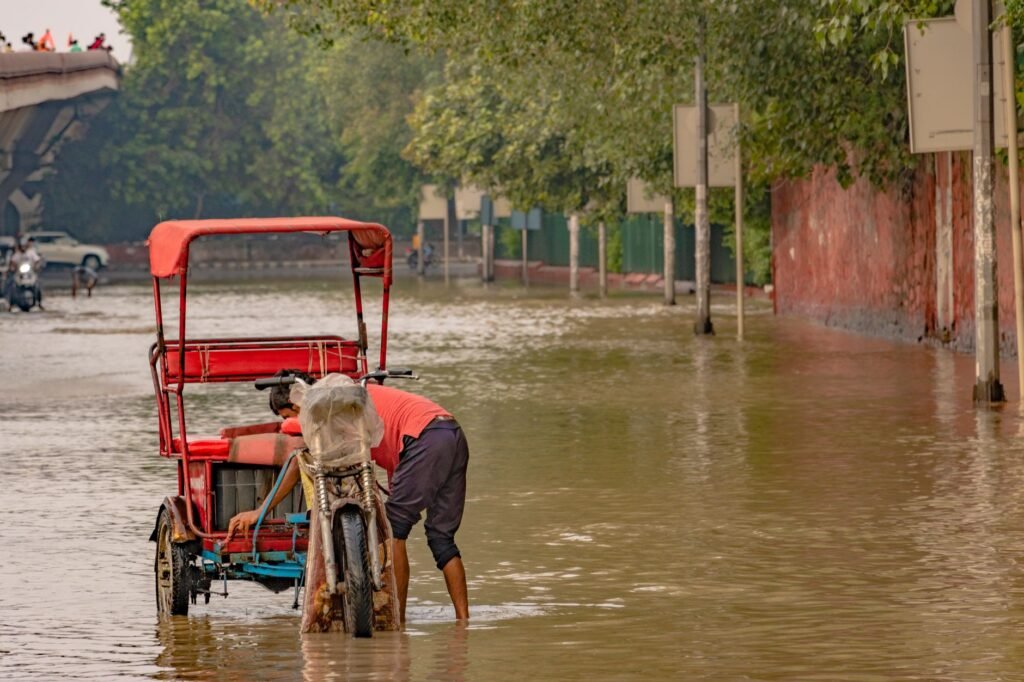
New Delhi and its satellite cities were brought to a near standstill by a deluge of heavy monsoon rains. The downpour overwhelmed drainage systems, transforming major arterial roads into impassable waterways and trapping thousands of commuters. While annual monsoons are a predictable feature of the South Asian climate, the intensity and disruptive impact of this particular event have prompted a red alert status across the capital region, signalling a significant departure from routine seasonal challenges.
The immediate consequences included widespread traffic paralysis, disruptions to public transport networks, and localized flooding in residential and commercial areas. The event underscores a recurring vulnerability within one of the world's most populous urban agglomerations, raising critical questions about the capacity of existing infrastructure to absorb climate shocks and the efficacy of preparedness measures.
Why it is contested
The discourse surrounding Delhi's monsoon chaos is not merely about the weather; it is about attribution and responsibility. Competing interpretations vie to explain whether the disruption is primarily a consequence of climate change delivering unprecedented rainfall, or if it exposes fundamental failings in urban planning, infrastructure development, and governance. The challenge lies in disentangling the effects of a changing climate from the accumulated deficiencies of rapid, often unplanned, urban expansion.
For some, the sheer volume of rainfall points to an external, climate-driven phenomenon, suggesting that even robust infrastructure would struggle under such conditions. For others, the regularity of similar, albeit perhaps less severe, incidents over recent years indicates a systemic problem rooted in internal factors. This distinction is crucial because it dictates the proposed solutions, whether they focus on climate adaptation and mitigation or on domestic policy reforms and investment in civic amenities.
The competing narratives
One dominant narrative attributes the crisis primarily to the intensifying effects of climate change. Proponents of this view argue that monsoon patterns are becoming more erratic and extreme, leading to 'rain bombs' – concentrated, high-intensity rainfall events that overwhelm even well-maintained drainage systems. They point to global climate models that predict an increase in such extreme weather incidents, framing Delhi's experience as a local manifestation of a global phenomenon. The strongest objection to this reading is that it risks absolving local authorities of accountability for chronic underinvestment and poor maintenance. While climate change may exacerbate the problem, it does not fully explain why other cities, even those experiencing similar meteorological conditions, sometimes fare better.
A rival interpretation places the blame squarely on inadequate urban planning and infrastructure. This perspective highlights decades of rapid, often unregulated, urbanisation in Delhi, leading to the encroachment on natural drainage channels, the proliferation of impervious surfaces, and insufficient investment in storm drains and wastewater management. Critics argue that the existing infrastructure was designed for a different era and has not kept pace with population growth or changing rainfall patterns, regardless of their origin. The strongest objection here is that it might downplay the genuine climatic shifts underway. Even with optimal planning, an unprecedented volume of water could still pose insurmountable challenges, suggesting that a purely local focus might miss part of the picture.
What to watch next
The immediate aftermath will involve assessments of damage and the implementation of temporary relief measures. More critically, observers will be watching for any shifts in policy or investment strategy from city and national authorities. Will this event catalyse a significant overhaul of Delhi's urban drainage and infrastructure, or will it be treated as an isolated, albeit severe, weather event? The specific details of any proposed infrastructure projects, their funding mechanisms, and their timelines will offer insight into which narrative gains primacy.
Beyond Delhi, the situation serves as a bellwether for other rapidly expanding cities across the Global South. Many face similar pressures from population growth, informal settlements, and the accelerating impacts of climate change. How New Delhi addresses this challenge could provide a template, or a cautionary tale, for urban resilience efforts worldwide. The political will to prioritise long-term infrastructure over short-term expediency remains an open question.
The bottom line
New Delhi's monsoon disruption is a complex interaction of environmental and anthropogenic factors. It is not merely a story of rain but of the city's capacity to adapt to evolving environmental realities while managing the legacy of its own development trajectory. The challenge lies in distinguishing between what is genuinely unprecedented and what reflects long-standing systemic vulnerabilities. Can a megacity like Delhi pivot towards a truly resilient urban future, or are such events destined to become an increasingly frequent feature of its monsoon season?
Source material: Al Jazeera – Breaking News, World News and Video from Al Jazeera