Repatriation of Artefacts: A Catalyst for Shifting Power Dynamics
Strategic Foresight
The return of a ceremonial drum to Ivory Coast signals a nascent trend with profound implications for international relations and cultural diplomacy.
The starting conditions
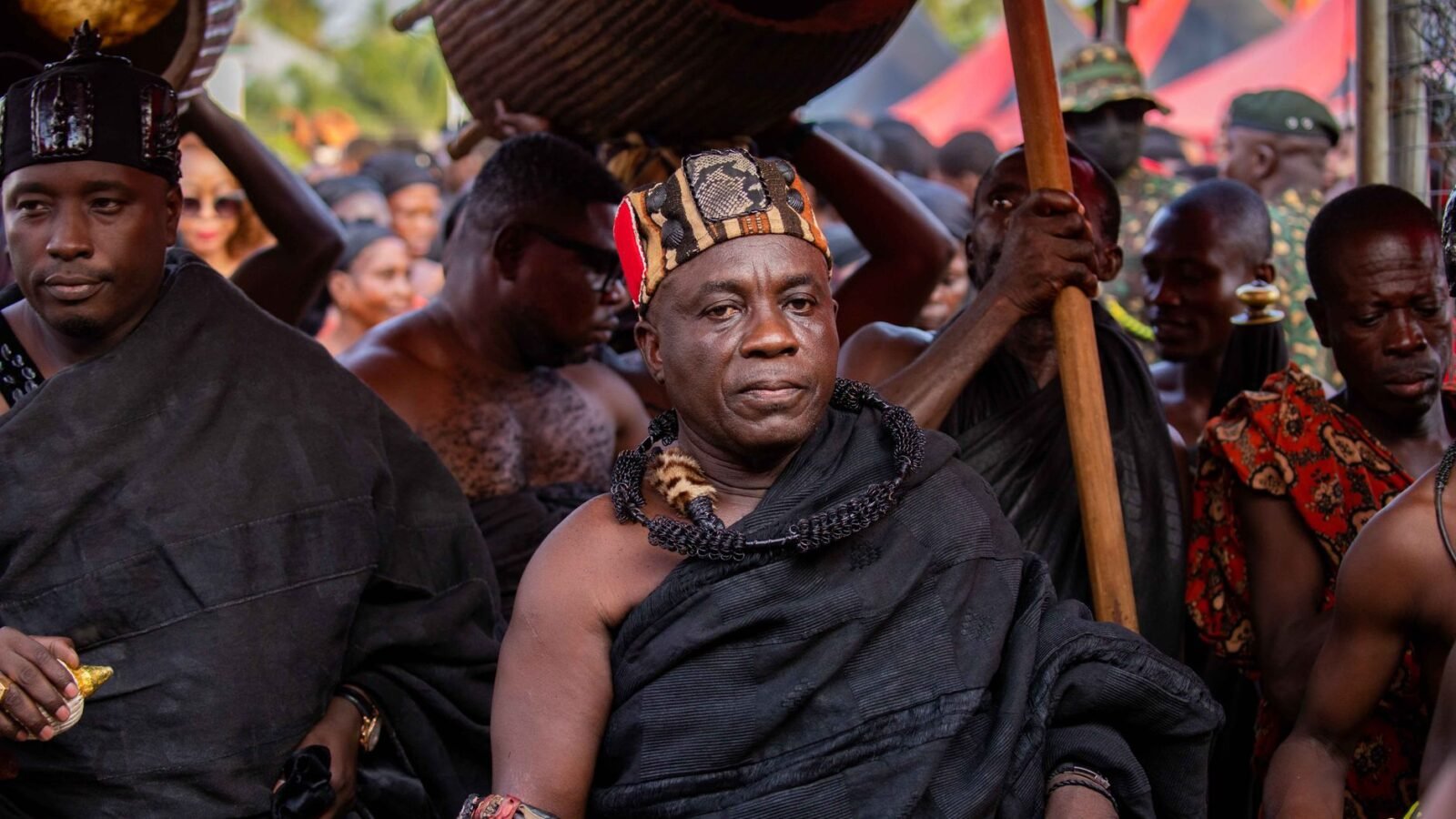
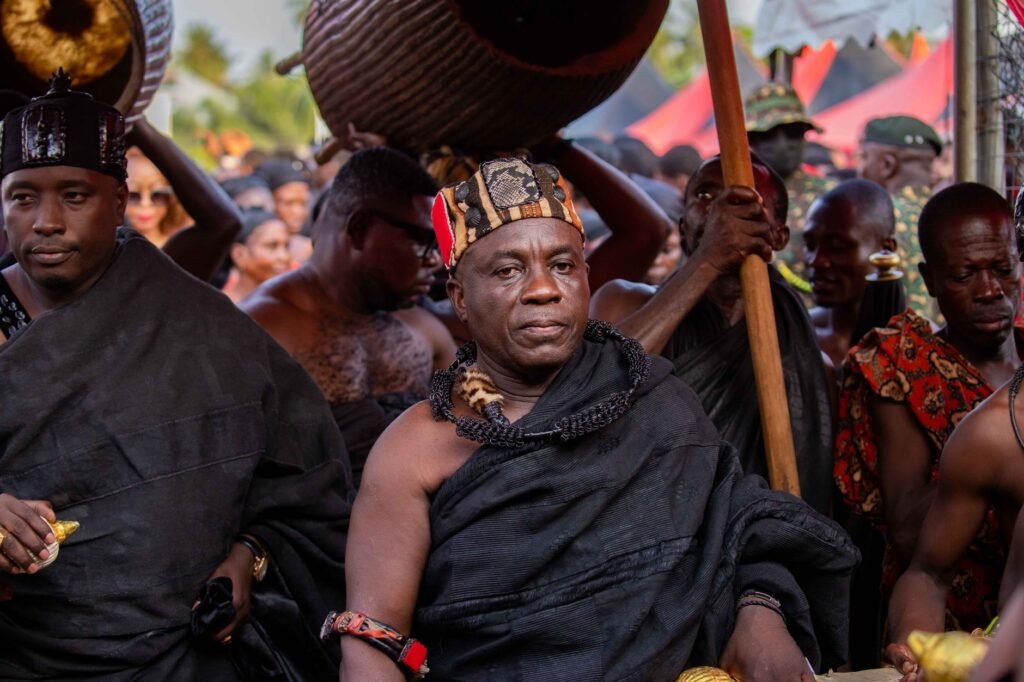
The return of a ceremonial 'talking drum' to its original village in Ivory Coast, 110 years after its removal, serves as a poignant illustration of a growing global imperative. This event, while specific in its cultural context, is emblematic of a wider movement demanding the repatriation of artefacts acquired during colonial eras. For decades, discussions surrounding these objects have largely been confined to academic discourse or isolated, often contentious, bilateral negotiations. However, the current momentum suggests a paradigm shift, driven by evolving international norms, increased advocacy from post-colonial nations, and a re-evaluation of historical injustices within former colonial powers.
The prevailing conditions for this movement include an increasingly vocal and organised civil society in claimant nations, coupled with a generational shift in attitudes within institutions that have historically resisted returns. Digitalisation of collections is also playing a role, making provenance more accessible and claims more actionable. This confluence of factors indicates that the era of ad hoc, symbolic repatriations may be giving way to a more structured and sustained push, potentially altering the landscape of cultural heritage, international law, and diplomatic relations by the end of the decade.
Scenario one: Accelerated institutional return (45%)
Under this scenario, the momentum for repatriation significantly accelerates, driven by a combination of political will and evolving legal frameworks. By 2030, a critical mass of former colonial powers might adopt national legislation or accede to international protocols that streamline and even mandate the return of culturally significant items. This could be spurred by coordinated diplomatic pressure from a bloc of claimant nations, possibly organised through existing multilateral bodies such as the African Union or regional cultural organisations. The 'talking drum's' return could be seen as an early, if modest, data point in this trajectory.
Such a scenario would likely involve the establishment of dedicated, well-resourced commissions to assess claims and facilitate transfers, moving beyond the current voluntary and often protracted negotiations. Major museums and galleries in Europe and North America might proactively deaccession significant portions of their collections, not merely as an act of moral restitution but also as a strategic move to pre-empt more forceful demands or legal challenges. The political calculus would shift, viewing resistance to repatriation as a diplomatic liability, potentially impacting trade relationships or international standing.
Scenario two: Stalled momentum and selective returns (35%)
This scenario posits a more fragmented and uneven progression of repatriation efforts. While some high-profile returns might continue, the overall momentum could stall due to entrenched institutional resistance, legal complexities, or shifting political priorities in either claimant or holding nations. The return of the 'talking drum' would then be viewed as an isolated success rather than the harbinger of a broader trend. By 2030, many significant collections would remain largely intact in their current locations, with returns limited to specific, often less controversial, categories of objects or those with exceptionally clear provenance.
Under this scenario, legal challenges from holding institutions, often citing collection integrity or universal heritage arguments, would continue to impede large-scale returns. The economic implications for museums, particularly those reliant on their collections for tourism and fundraising, would also play a significant role in advocating against extensive deaccessioning. Diplomatic efforts by claimant nations might lack the sustained, unified pressure required to overcome these obstacles, leading to a continuation of the current piecemeal approach. This would leave many critical questions of ownership and cultural equity unresolved, fostering ongoing, low-level diplomatic friction.
Scenario three: Emergence of a 'cultural commons' framework (20%)
A less probable but potentially transformative scenario involves a move beyond outright ownership transfers towards a framework of shared stewardship or 'cultural commons'. Rather than demanding physical return of every object, claimant nations and holding institutions might negotiate innovative models of shared ownership, long-term loans, digital repatriation, or joint management agreements. The return of the drum might then be interpreted as a step towards acknowledging provenance, without necessarily dictating the ultimate physical location of every item.
By 2030, this could manifest as internationally recognised cultural trusts or digital platforms that grant claimant nations significant control over the narrative, display, and even commercial use of artefacts, irrespective of their physical location. This scenario would require a significant shift in legal and philosophical perspectives on heritage, moving away from exclusive ownership to a more distributed model of custodianship. It would also necessitate robust international agreements on intellectual property and digital rights for cultural objects. While challenging to implement, such a framework could offer a pragmatic solution that acknowledges historical injustices while preserving the accessibility of global heritage.
Wildcards that would break every scenario
Several unforeseen developments could fundamentally alter the trajectory of repatriation efforts, rendering current scenarios obsolete. A significant global economic downturn, for instance, could drastically reduce funding for cultural initiatives in both claimant and holding nations, shifting priorities away from heritage restitution. Conversely, a major geopolitical realignment, such as the emergence of new power blocs, could see cultural diplomacy weaponised, either accelerating returns as a goodwill gesture or halting them as an act of defiance.
Technological breakthroughs in digital preservation and immersive experiences could also be a wildcard. If virtual reality or haptic feedback technologies advance to a point where the 'experience' of an artefact is nearly indistinguishable from physical presence, the imperative for physical return might diminish for some objects. Conversely, the discovery of irrefutable evidence of illicit acquisition for a vast swathe of collections could trigger an ethical crisis so profound it forces an immediate, wholesale re-evaluation of all current holdings, irrespective of existing legal frameworks.
Strategic implications
The strategic implications of these repatriation trends extend far beyond museum collections. For former colonial powers, navigating this issue will be critical for soft power projections and maintaining diplomatic influence. A proactive and ethical approach could bolster international standing, particularly with the Global South, potentially fostering new economic and political alliances. Conversely, perceived intransigence could lead to reputational damage, boycotts, and strained bilateral relations, impacting trade, investment, and international cooperation.
For claimant nations, successful repatriation could be a powerful tool for nation-building, cultural revitalisation, and asserting sovereignty. It could also unlock new economic opportunities through cultural tourism and the development of local heritage industries. The ability to reclaim and recontextualise national heritage might also serve as a rallying point for domestic political stability and regional solidarity. However, the logistical and financial challenges of managing large-scale returns, including conservation, exhibition, and security, will require significant investment and strategic planning. The ultimate question is not merely where these objects will reside, but what their return signifies for the evolving global order and the rebalancing of historical narratives.
Scenario matrix
| Scenario | Probability | Confirming trigger |
|---|---|---|
| Accelerated institutional return | 45% | A major European nation passes comprehensive legislation mandating the systematic return of colonial-era artefacts, or a UN-backed resolution on cultural restitution gains significant traction. |
| Stalled momentum and selective returns | 35% | Several high-profile legal challenges by museums against repatriation demands succeed, setting precedents that significantly slow the rate of returns, or a major claimant nation shifts its diplomatic focus away from cultural restitution. |
| Emergence of a 'cultural commons' framework | 20% | A leading international cultural organisation successfully pilots a joint digital and physical stewardship model for a significant collection, gaining widespread adoption among both holding and claimant institutions. |
Probabilities are estimates, not certainties. They are published so the forecast can be scored later.
Source material: Al Jazeera – Breaking News, World News and Video from Al Jazeera