Wildfires expose Canada’s resource management paradox in Okanagan
Trending Global
The rapid escalation of wildfires in British Columbia's Okanagan region forces a re-evaluation of Canada's environmental and economic priorities.
What just happened
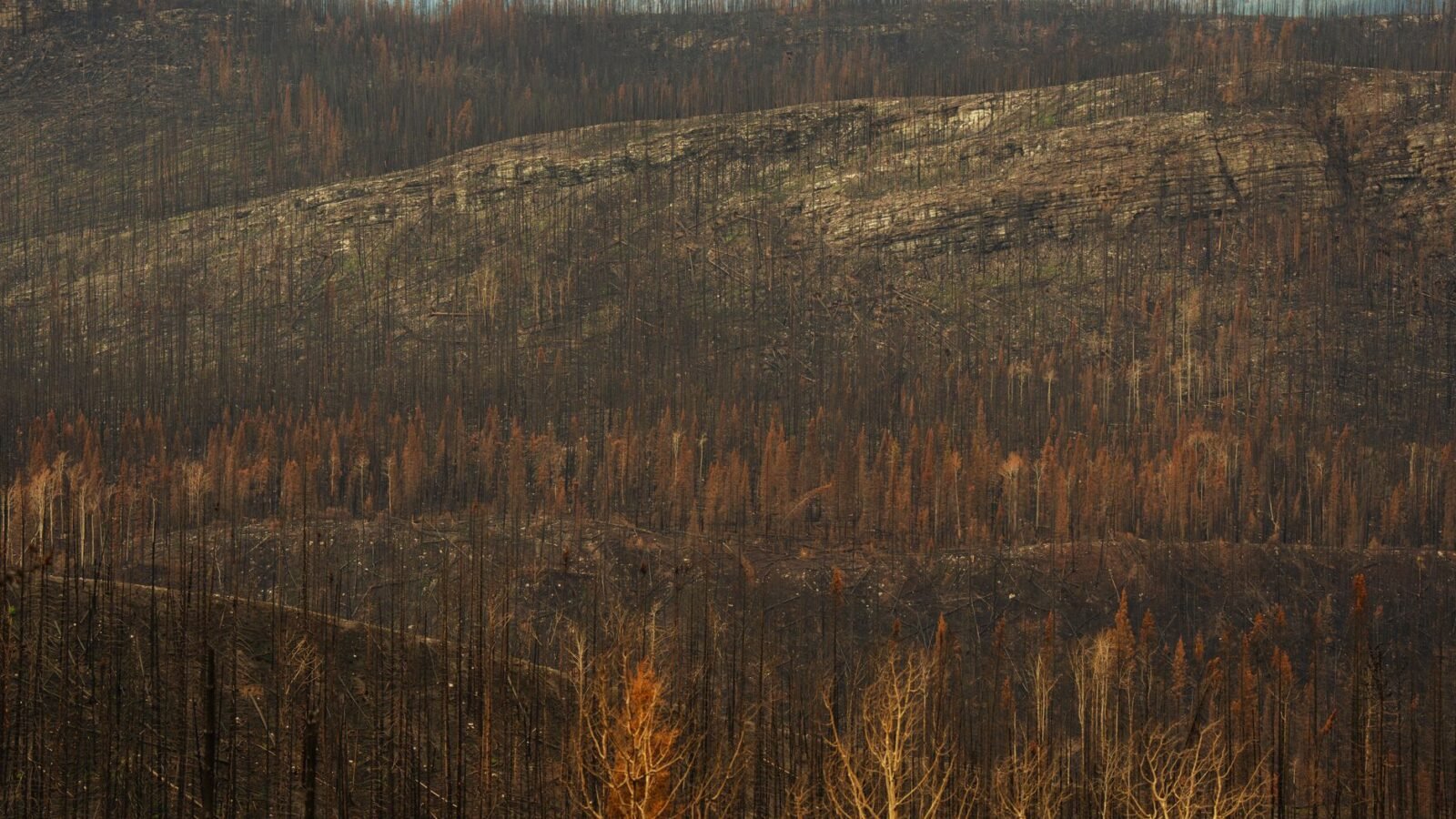
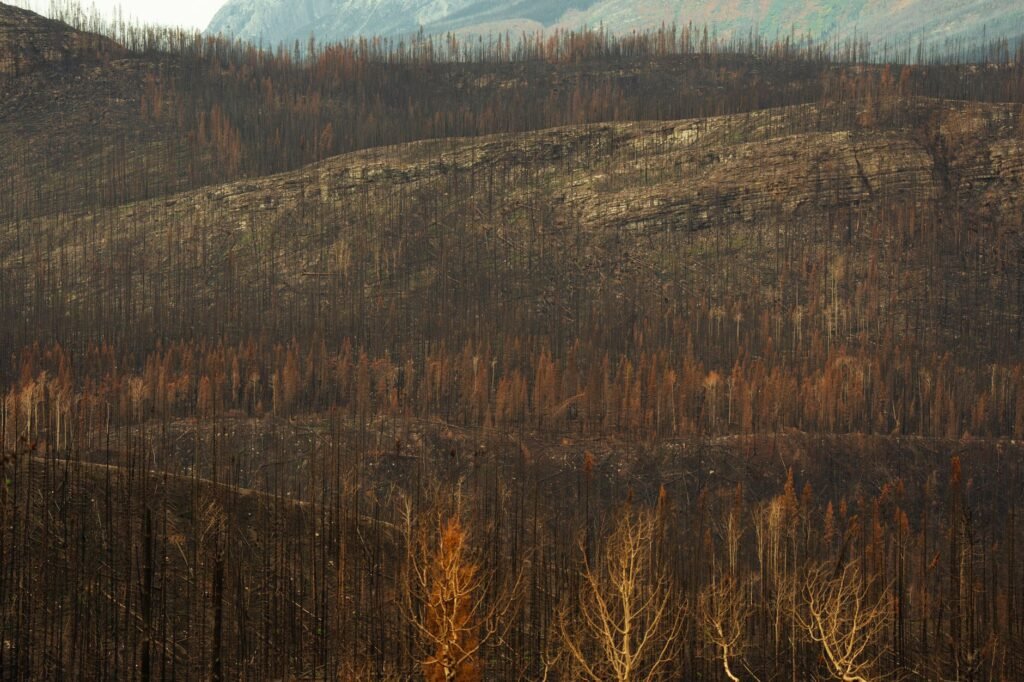
A series of rapidly advancing wildfires have necessitated the evacuation of more than 20,000 individuals across British Columbia’s Okanagan region. The scale and speed of the infernos have once again brought the province's vulnerability to extreme fire events into sharp focus, disrupting communities and vital economic activities. This latest incident, while consistent with a pattern of increasing fire activity in Western Canada, compels a deeper inquiry into the underlying factors beyond immediate climatic conditions.
Why it is contested
The recurrence of severe wildfire seasons in Canada, culminating in mass evacuations and extensive damage, has ceased to be a mere environmental event; it has become a central point of contention in national policy discourse. The debate extends beyond the immediate emergency response to encompass fundamental questions of land use, resource extraction, and the efficacy of current environmental governance. At stake is not merely the protection of communities, but the very model of how Canada balances its vast natural resource endowment with escalating ecological pressures. The precise weighting of climate change versus forestry practices as primary drivers remains unresolved, fueling a policy paralysis that each new fire season exacerbates.
The competing narratives
One dominant narrative attributes the escalating wildfire crisis almost exclusively to climate change. Proponents of this view argue that rising global temperatures are leading to hotter, drier conditions and increased lightning activity, creating an environment where fires ignite more easily and spread with unprecedented ferocity. From this perspective, the Okanagan evacuations are a direct consequence of a global phenomenon, demanding large-scale, systemic shifts in energy policy and international cooperation on emissions reductions. The strongest objection to this singular focus is that it risks absolving local and regional authorities of responsibility for land management practices that, irrespective of climate trends, demonstrably exacerbate fire risk. It frames the problem as an unassailable act of nature, rather than a partially controllable outcome of human interaction with the landscape.
A competing interpretation foregrounds the role of historical and contemporary forestry practices. This perspective contends that decades of aggressive fire suppression, coupled with industrial logging practices that favour monoculture plantations and remove natural firebreaks, have created an unnaturally dense and homogenous fuel load across vast tracts of forest. The argument is that while climate change may intensify conditions, the sheer volume of readily combustible material is a direct result of human intervention. Consequently, these fires are not merely climate-driven but are, in part, a man-made consequence of mismanaged ecosystems. The primary counter-argument here is that even with optimal forest management, the intensity of drought and heatwaves now observed would still produce significant fire events, rendering local practices secondary to the overarching climate imperative. Furthermore, implementing the prescribed ecological forestry practices, such as prescribed burns and selective logging, faces significant logistical and political hurdles, including public opposition to smoke and the economic impact on the timber industry.
What to watch next
The immediate focus will remain on containing the current fires and facilitating the safe return of evacuated residents. Beyond this, attention will shift to the provincial and federal governments' post-fire assessments. Will the political consensus coalesce around a renewed emphasis on climate adaptation strategies, or will there be a more explicit acknowledgement of the need for fundamental reforms in forest management and land use planning? The critical indicator will be the allocation of resources: whether funding prioritises large-scale carbon reduction initiatives or is significantly redirected towards preventative forestry measures, such as fuel load reduction and ecological restoration. The trajectory of insurance claims and the pace of rebuilding in affected communities will also offer an early, tangible measure of the economic and social resilience of the region.
The bottom line
The Okanagan wildfires force Canada to confront a complex truth: the crisis is unlikely to be solely attributable to either climate change or land management failures. The ongoing challenge lies in developing a policy framework that acknowledges the synergistic relationship between these factors, rather than allowing one narrative to eclipse the other. Can Canada pivot towards an integrated strategy that simultaneously addresses global warming while implementing more resilient, ecologically informed local land management? Or will the political and economic costs of confronting both fronts prove too high, leaving communities vulnerable to an increasingly predictable, yet still devastating, annual cycle of destruction?
Source material: Al Jazeera – Breaking News, World News and Video from Al Jazeera