Canada Wildfire Intensification Signals New Regional Climate Thresholds
Strategic Foresight
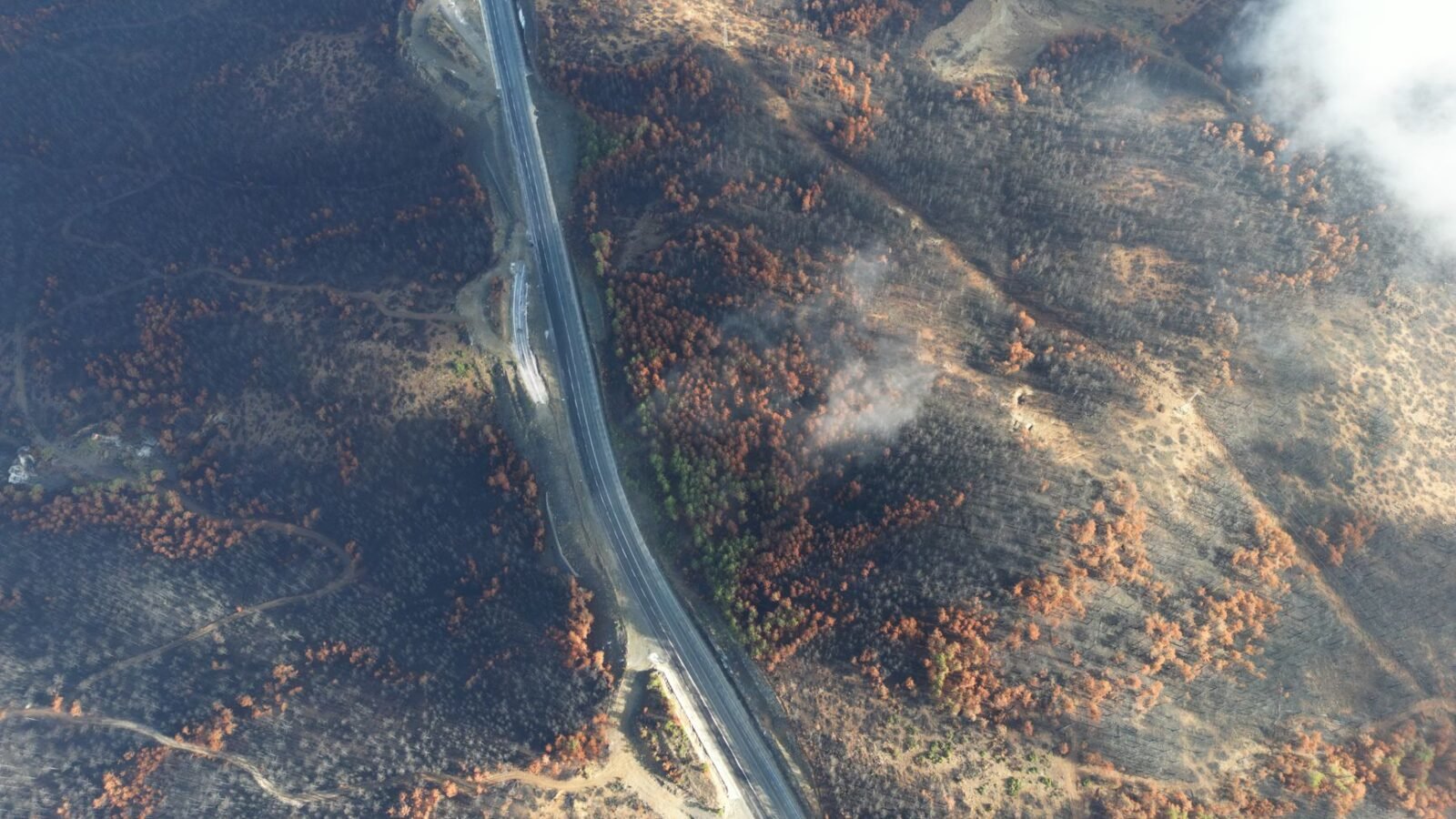
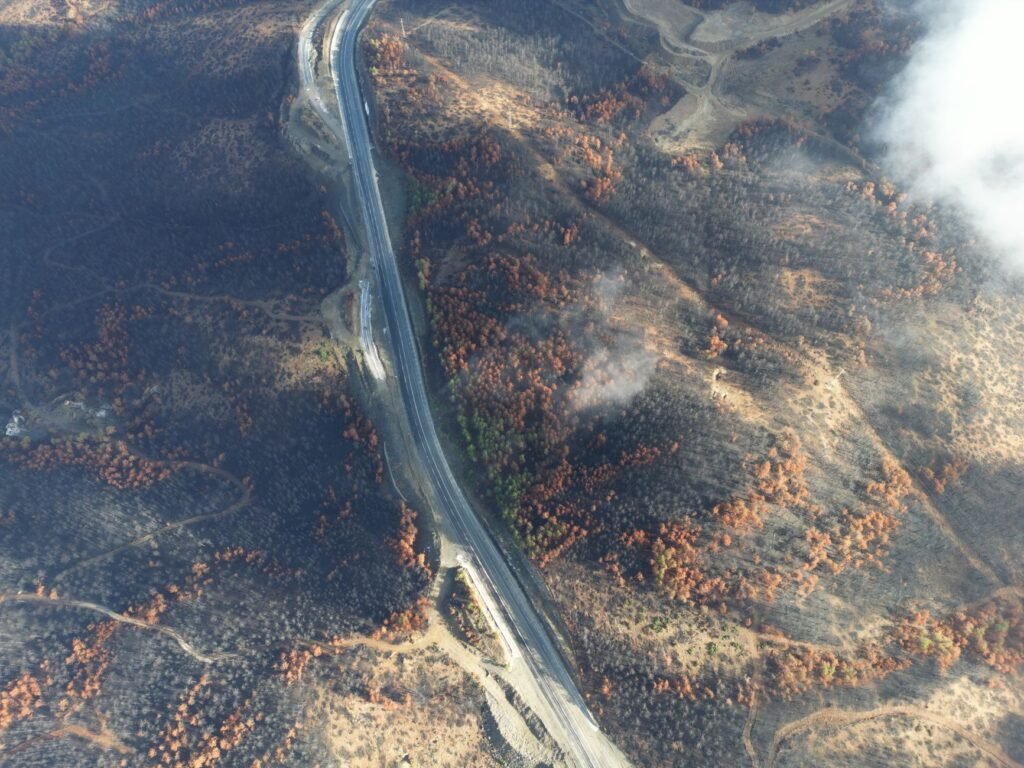
The rapid expansion of the Bald Range wildfire in British Columbia underscores a shift towards more frequent and intense fire seasons.
The starting conditions
The Bald Range wildfire in British Columbia, now classified as 'out of control' and having doubled in size to encompass over 95 square kilometres, is not merely an isolated incident but a data point in an accelerating trend. For several years, Canada has experienced fire seasons of increasing ferocity and duration, challenging existing suppression capabilities and resource allocation models. This escalation is particularly pronounced in regions historically reliant on forestry, mining, and energy extraction, where the interplay of drought conditions, higher average temperatures, and altered precipitation patterns creates a combustible landscape. The immediate consequence is visible in destroyed property and disrupted communities; the strategic implication lies in how these events force a re-evaluation of long-term economic planning, infrastructure investment, and national security postures.
The current conditions suggest that the traditional 'fire season' window is expanding, blurring into shoulder months and requiring year-round preparedness. The logistical burden on provincial and federal agencies is intensifying, diverting resources from other public services. Furthermore, the economic ramifications extend beyond direct firefighting costs to include substantial losses in timber value, agricultural yields, tourism revenue, and insured property. International attention on these events is also growing, particularly from jurisdictions with shared climate vulnerabilities or economic ties to Canada's resource sector. The critical question for 2030 is whether these escalating events represent a temporary anomaly or a permanent shift in environmental conditions that demands fundamental strategic recalibration.
Scenario one: Incremental adaptation and rising costs
In this scenario, governments and industries acknowledge the increased frequency and intensity of wildfires but primarily respond with incremental adaptations. This might involve expanding firefighting budgets, procuring additional aerial assets, and implementing more stringent fire bans. Investment in fire-resistant building codes could become more widespread in high-risk areas, and some critical infrastructure, such as power lines and transportation corridors, might see localised hardening efforts. However, these measures would likely be reactive and focused on mitigating immediate threats rather than fundamentally altering land management practices or economic dependencies.
The primary consequence of this approach would be a significant increase in operational costs for affected industries and government services. Insurance premiums for properties and businesses in fire-prone regions would likely continue their upward trajectory, potentially rendering some areas economically unviable for certain types of development. Supply chains for timber, minerals, and agricultural products could experience more frequent and prolonged disruptions, leading to price volatility and reduced export competitiveness. While direct catastrophic losses might be somewhat contained by improved response capabilities, the cumulative economic drag of higher operating expenses, interrupted trade, and diminished investor confidence could become a defining feature of regional economies by 2030. Socially, the repeated displacement of communities and the health impacts of prolonged smoke exposure would likely erode public trust and exacerbate existing inequalities, yet without triggering a wholesale shift in policy.
Scenario two: Accelerated climate migration and resource re-evaluation
This scenario posits that the escalating frequency and severity of wildfires, potentially exacerbated by other climate-related events, compel a more radical societal and economic restructuring. The sheer scale of destruction and the sustained threat to human health and safety could trigger significant internal climate migration, with populations moving away from historically fire-prone regions. This would place immense pressure on receiving urban centres and infrastructure, necessitating new housing, services, and employment opportunities.
Economically, this scenario could force a more fundamental re-evaluation of Canada's reliance on certain resource sectors. The viability of commercial forestry in some traditional areas might be challenged by chronic fire damage, leading to divestment and a shift towards alternative economic activities. Investment capital could increasingly flow towards climate-resilient sectors and technologies, potentially accelerating the transition away from carbon-intensive industries. International markets might begin to discount products originating from regions perceived as high climate risk, influencing trade relationships and foreign direct investment. By 2030, this could result in a more geographically concentrated and diversified Canadian economy, but one that has undergone significant, potentially disruptive, internal demographic and industrial shifts, with substantial stranded assets in previously productive regions.
Scenario three: Integrated national resilience strategy
In this more proactive scenario, the sustained pressure from escalating wildfires, potentially coupled with international pressure or a major catalytic event, prompts Canada to implement a comprehensive, integrated national resilience strategy. This would move beyond reactive firefighting to encompass proactive land management, including widespread prescribed burns, ecosystem restoration, and the development of fire-resilient landscapes. Significant federal investment could be directed towards upgrading critical infrastructure nationally, integrating climate risk assessments into all major planning decisions, and developing advanced early warning systems.
Economically, this scenario would involve substantial public and private sector investment in green technologies, climate adaptation research, and the development of a 'resilience economy'. This might include new industries focused on carbon sequestration, sustainable agriculture, and advanced materials science. International collaboration on wildfire management, data sharing, and climate mitigation technologies could intensify, positioning Canada as a leader in climate resilience. While requiring considerable upfront capital and a recalibration of national priorities, this path could ultimately lead to a more secure and economically stable future by 2030, with reduced long-term costs associated with disaster response and recovery. The challenge would be achieving the necessary political consensus and sustained investment over multiple electoral cycles, overcoming the short-term disincentives for long-term gain.
Wildcards that would break every scenario
Several unforeseeable events or abrupt shifts could fundamentally alter the trajectory of these scenarios. A sudden, sustained global economic recession, for instance, could severely constrain the fiscal capacity of governments to invest in either incremental adaptations or comprehensive resilience strategies, forcing a retreat from even current levels of preparedness. Conversely, a breakthrough in geoengineering or atmospheric carbon capture technology, if widely adopted and proven effective, could dramatically alter the underlying climate conditions that drive wildfire intensity, rendering many current adaptation strategies obsolete. A major international conflict or geopolitical realignment could also divert national resources and attention away from domestic climate challenges, irrespective of their severity. Furthermore, an unforeseen biological event, such as a novel forest pathogen outbreak, could interact synergistically with fire risk, creating an entirely new and more complex set of environmental challenges that none of the current scenarios fully anticipate. The emergence of a genuinely effective, low-cost, and non-toxic fire retardant that could be broadly applied across vast landscapes could also fundamentally shift the calculus of fire management.
Strategic implications
The escalating wildfire crisis in Canada carries profound strategic implications that extend beyond immediate environmental concerns. For resource-dependent economies globally, it signals the increasing imperative to integrate climate risk into all facets of long-term planning, from capital expenditure decisions to sovereign credit ratings. The financial sector, in particular, faces a growing challenge in accurately pricing risk for assets and infrastructure located in increasingly vulnerable zones. The question is no longer whether climate impacts will manifest, but at what pace and with what magnitude, and whether current economic models are adequately equipped to internalise these escalating costs.
For national security, the continuous strain on emergency services and military assets deployed for disaster response could degrade preparedness for other contingencies. The potential for large-scale climate migration also raises questions about social cohesion, urban planning, and the equitable distribution of resources. Internationally, Canada's experience could serve as a bellwether for other northern latitudes, highlighting the urgency of cross-border collaboration on climate data, mitigation technologies, and shared response protocols. The fundamental strategic challenge for 2030 remains whether nations will be compelled to react to a series of escalating crises or if they can proactively build resilience, transforming vulnerability into an opportunity for innovation and sustainable growth.
Scenario matrix
| Scenario | Probability | Confirming trigger |
|---|---|---|
| Incremental adaptation and rising costs | 55% | Annual firefighting budgets continue to rise without a corresponding decrease in total area burned or insured losses, and no major federal policy shift towards proactive land management is announced by 2026. |
| Accelerated climate migration and resource re-evaluation | 30% | Official government reports by 2027 show a measurable demographic shift away from high-risk rural areas, coupled with significant divestment announcements from major resource companies in traditional fire-prone regions. |
| Integrated national resilience strategy | 15% | A major multi-year federal funding commitment (exceeding 1% of GDP) is announced by 2025, specifically for climate-resilient infrastructure, large-scale ecosystem restoration, and a national wildfire prevention programme, accompanied by new inter-provincial governance structures. |
Probabilities are estimates, not certainties. They are published so the forecast can be scored later.
Source material: BBC News