Canada’s Wildfire Crisis: Scenarios for the Boreal Landscape to 2030
Strategic Foresight
Examining the trajectory of Canada's wildfires to 2030, from managed adaptation to ecological tipping points.
The starting conditions
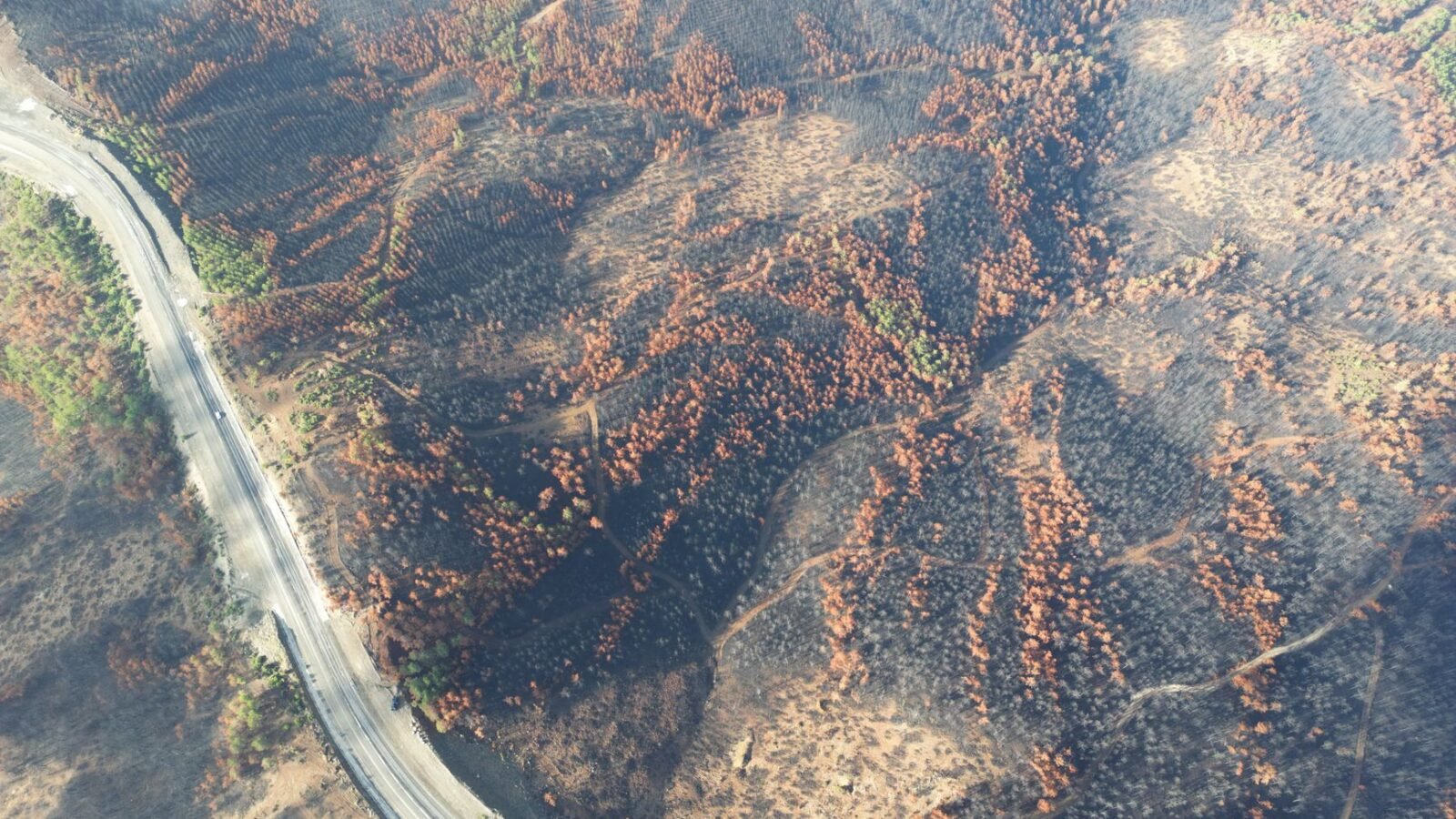
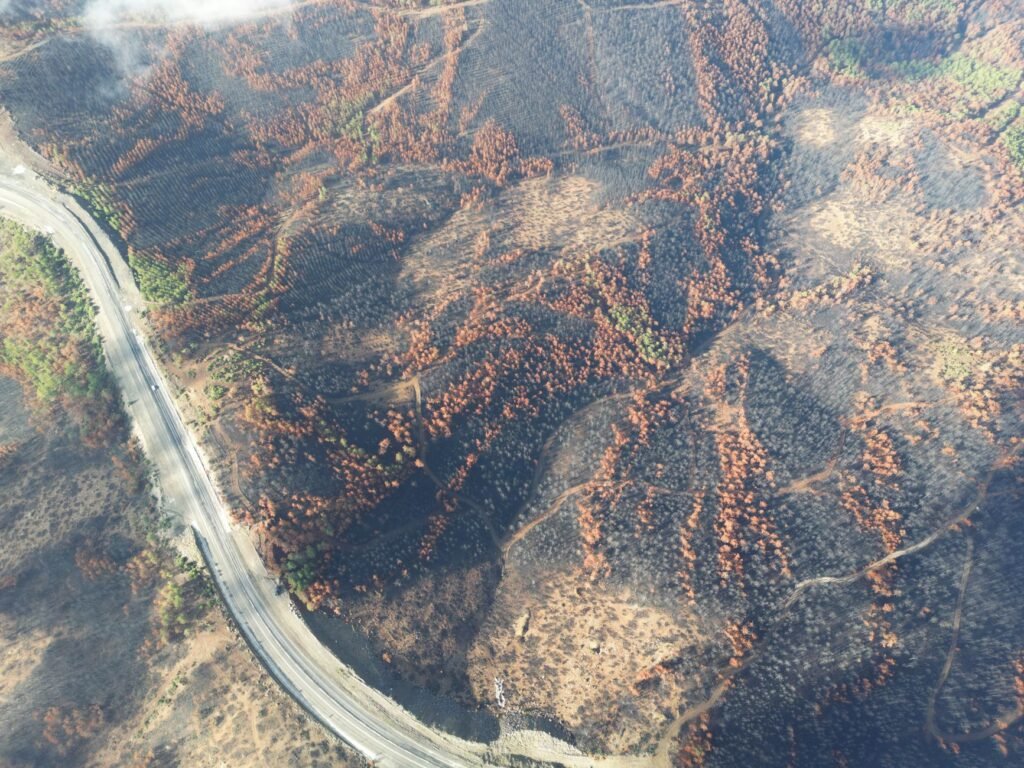
The Bald Range wildfire, currently encompassing over 103 square kilometres and classified as 'out of control' in British Columbia, serves as a contemporary exemplar of an escalating trend in Canada. The nation's vast forested regions, particularly the boreal shield, have experienced a marked increase in both the frequency and intensity of wildfires over recent decades. This is attributed to a confluence of factors: extended periods of drought, higher average temperatures contributing to desiccation of fuel loads, and an increased incidence of lightning strikes. The current operational challenges in containing such fires, even with substantial resources, suggest that existing strategies may be insufficient against the scale of the threat now emerging.
The economic implications are already substantial, extending beyond immediate firefighting costs to include disruptions to critical infrastructure, impacts on forestry and tourism sectors, and significant public health burdens from smoke inhalation. Ecologically, persistent severe fires can alter forest composition, degrade permafrost, and release considerable carbon stores, potentially initiating feedback loops that exacerbate warming. The question for the coming decade is not whether wildfires will continue, but at what rate their severity will escalate and how effectively Canadian governance and international cooperation can adapt to or mitigate these pressures.
Scenario one: Managed Adaptation
In this scenario, Canada successfully implements a robust, nationally coordinated strategy for wildfire management by 2030. This would entail significant investment in advanced predictive modelling, enhanced aerial and ground firefighting capabilities, and a proactive approach to forest management, including controlled burns and fuel load reduction. Public policy would align land use planning with fire risk assessments, potentially leading to restricted development in high-risk interfaces. International cooperation on resource sharing and research into fire-resistant building materials and ecological restoration techniques would intensify. While annual fire seasons would remain challenging, the scale and destructive potential of individual events might be contained, preventing widespread ecological collapse or catastrophic economic disruption. The focus would shift from reactive suppression to integrated risk management and resilience building within affected communities and ecosystems.
Scenario two: Accelerated Decline
This scenario posits that current trends in climate change outpace adaptive measures, leading to a significant acceleration in wildfire severity and extent by 2030. Despite incremental improvements in firefighting technology and local initiatives, a lack of unified national strategy or insufficient funding could render responses largely ineffective against increasingly extreme fire behaviour. Prolonged drought conditions and higher temperatures would become the norm across larger geographical areas, creating vast tracts of highly combustible forest. This could lead to more frequent 'megafires' that overwhelm suppression capabilities, resulting in widespread destruction of timber resources, prolonged air quality crises, and significant displacement of populations. The economic burden would escalate dramatically, potentially diverting substantial national capital from other critical sectors. Ecological impacts would include irreversible shifts in forest ecosystems, with some areas transitioning to scrubland or non-forested biomes, further reducing carbon sequestration capacity.
Scenario three: Ecological Tipping Points
The most severe trajectory, this scenario envisions that by 2030, Canada's fire regime crosses critical ecological tipping points, leading to cascading environmental and socio-economic crises. This could involve the widespread ignition of peatlands and permafrost areas, releasing vast quantities of stored carbon and methane, thereby accelerating global warming beyond current projections. The frequency and intensity of fires would fundamentally alter the boreal forest's capacity for regeneration, potentially transforming large regions into persistently barren or radically different landscapes. This scenario implies a systemic failure to address the underlying drivers of climate change and a breakdown in the ability to manage natural resource systems. The economic consequences would be profound, encompassing not only direct losses but also the severe disruption of ecological services, impacting water quality, biodiversity, and regional climate patterns. International pressure and potential humanitarian crises stemming from environmental refugees could also become salient features of this future.
Wildcards that would break every scenario
Several unforeseen developments could fundamentally alter the trajectory of Canada's wildfire crisis, invalidating even the most robust scenario planning. A sudden, sustained shift in global atmospheric circulation patterns, for instance, could either dramatically increase or decrease the prevalence of drought conditions across Canada, irrespective of long-term climate models. Similarly, a rapid, widespread technological breakthrough in fire suppression or prevention, perhaps through drone-based early detection paired with autonomous initial attack systems, could significantly enhance human response capabilities beyond current projections. Conversely, the emergence of a novel tree pathogen or insect infestation, exacerbated by climate stress, could create unprecedented fuel loads, rendering existing forest management strategies obsolete. Geopolitical shifts that disrupt global supply chains for firefighting equipment or humanitarian aid could also severely impair Canada's ability to respond to large-scale events, pushing outcomes towards more adverse scenarios regardless of internal preparedness. Finally, an unanticipated, rapid activation of positive climate feedback loops, such as accelerated Arctic ice melt leading to further regional warming, could create conditions far beyond the scope of current predictive models.
Strategic implications
The strategic implications of these scenarios are multifaceted, extending beyond environmental policy to national security, economic stability, and international relations. For Canada, the primary imperative is to determine the optimal balance between mitigation and adaptation investments, recognising that delaying action could exponentially increase future costs. The 'Managed Adaptation' scenario suggests that proactive investment could yield significant long-term returns by preserving natural capital and reducing societal disruption. Conversely, 'Accelerated Decline' and 'Ecological Tipping Points' highlight the risks of underinvestment or fragmented policy. The choice of trajectory will profoundly influence Canada's global standing as a steward of vast natural resources and its capacity to meet emissions targets. Furthermore, the potential for cross-border smoke plumes and shared ecological impacts could necessitate deeper international cooperation on environmental policy and disaster response, particularly with the United States. The question remains whether the political will and fiscal capacity exist to implement the scale of change required to steer towards a more resilient future, or if the nation will be compelled to react to an increasingly volatile landscape.
Scenario matrix
| Scenario | Probability | Confirming trigger |
|---|---|---|
| Managed Adaptation | 35% | A substantial, multi-year increase in federal and provincial funding for fire management, coupled with demonstrable implementation of new forest management techniques and inter-agency coordination by 2026. |
| Accelerated Decline | 50% | Three consecutive years (e.g., 2024-2026) with annual burned areas exceeding the five-year average by more than 50%, alongside persistent reports of resource shortages and inter-jurisdictional friction in fire response. |
| Ecological Tipping Points | 15% | Documented widespread ignition of permafrost-rich peatlands or boreal shield areas experiencing unprecedented, uncontainable 'zombie fires' that persist through winter, alongside satellite evidence of significant, irreversible changes in forest cover by 2028. |
Probabilities are estimates, not certainties. They are published so the forecast can be scored later.
Source material: BBC News