Fatal Capsizing Near Statue of Liberty Tests US Asylum Policy
Trending Global
The capsizing of a vessel near the Statue of Liberty, resulting in two fatalities, forces a re-evaluation of US maritime migration enforcement.
What just happened
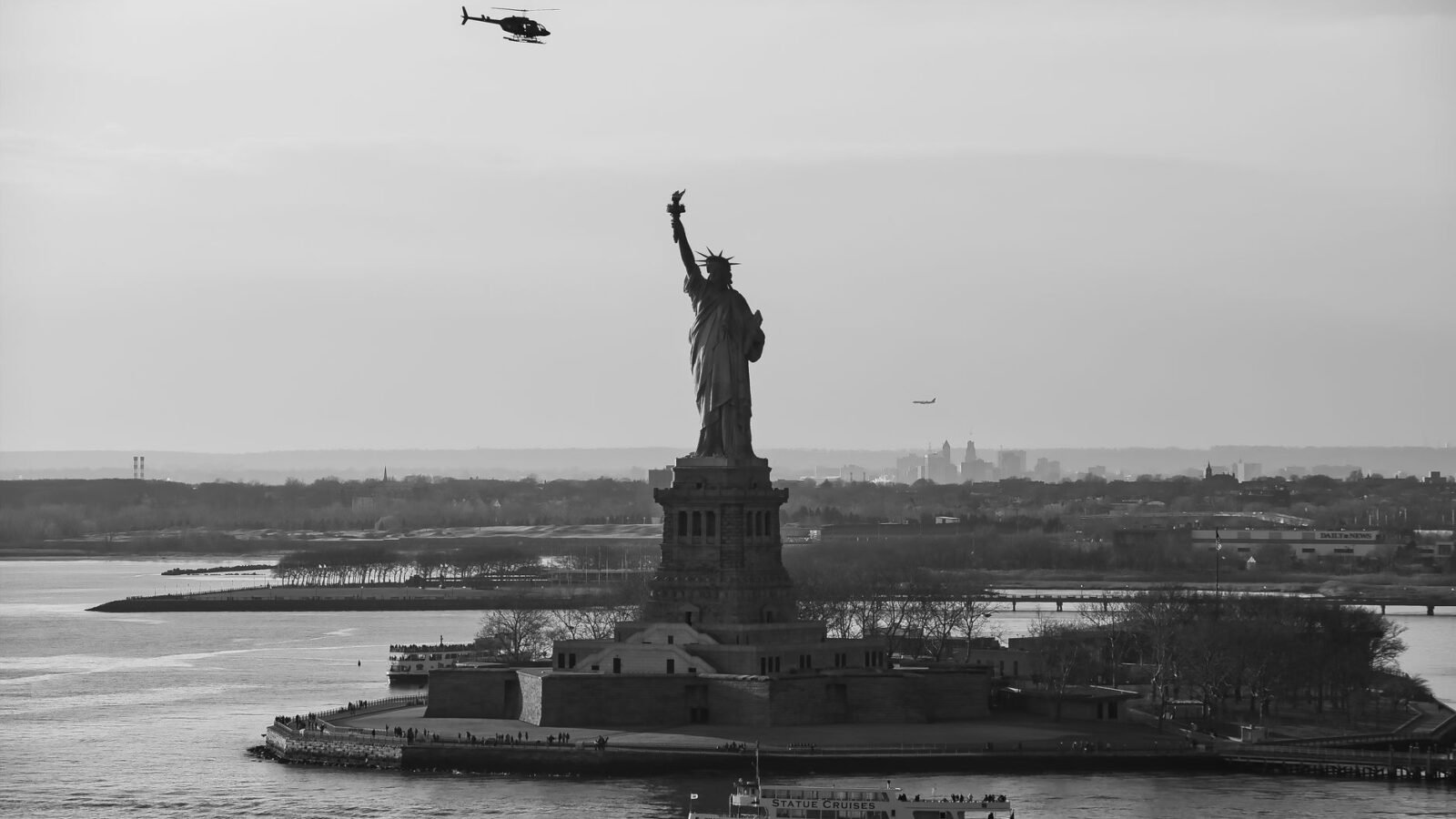
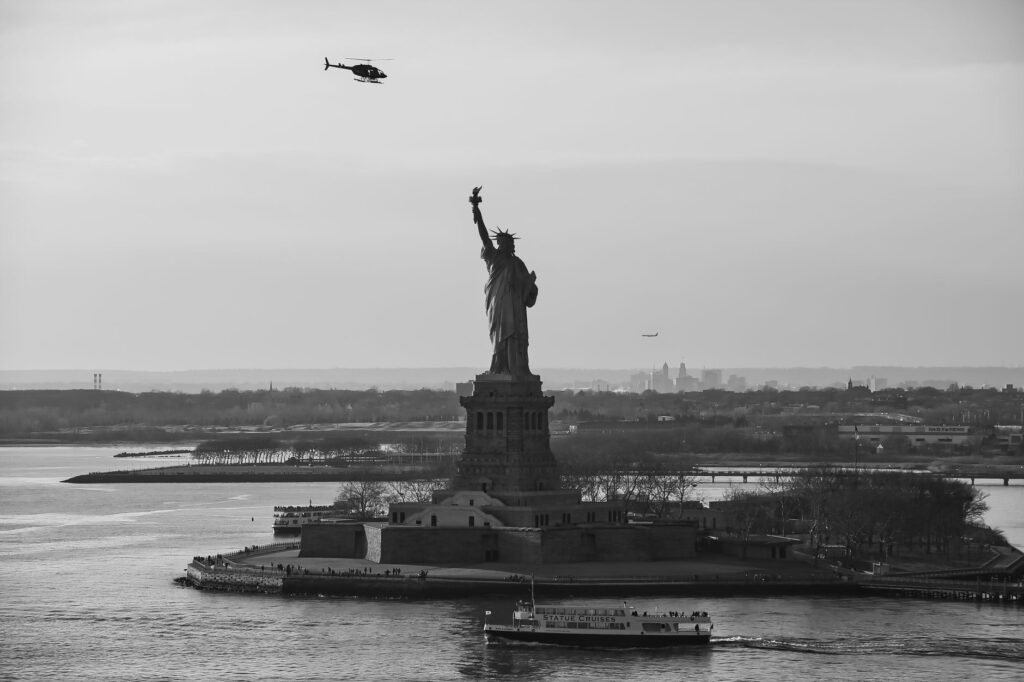
A vessel carrying multiple individuals capsized in the waters near the Statue of Liberty. The incident resulted in the tragic deaths of a woman and an infant. Twelve other individuals were rescued from the water by a nearby boat before the arrival of official emergency services. A man has since been arrested in connection with the incident, though the specific charges and the full circumstances surrounding the event remain under investigation. While details are still emerging, the location of the incident, a globally recognised symbol of welcome and freedom, imbues the tragedy with immediate symbolic weight, drawing attention beyond the immediate loss of life to the broader context of migration and asylum.
Why it is contested
The event, while a localised tragedy, immediately becomes a flashpoint in the ongoing, fractious debate over US immigration and asylum policy. The core contestation revolves not around the facts of the capsizing, but around what those facts signify for policy. Is this an indictment of lax border enforcement, encouraging dangerous crossings? Or is it a devastating illustration of the desperation driving individuals to undertake such perilous journeys, demanding a more humane and accessible asylum process? The incident forces a confrontation with the uncomfortable reality that policy choices, however well-intentioned, have direct, often fatal, consequences on the ground, or in this case, on the water.
The competing narratives
One dominant narrative frames the capsizing as a direct consequence of inadequate border security and a perceived leniency in asylum procedures. Proponents of this view argue that the very possibility of reaching US shores, even through dangerous means, acts as a 'pull factor', incentivising individuals to embark on perilous voyages. From this perspective, the tragedy underscores the need for stricter enforcement, more robust interdiction at sea, and a clear message that irregular entry will not be tolerated. The strongest objection to this reading is that it fails to account for the profound push factors – violence, poverty, political instability – that compel individuals to flee their homes, often viewing such journeys as their only viable option, regardless of the perceived ease or difficulty of entry.
A counter-narrative posits that the incident is a tragic outcome of an asylum system that is either too restrictive or too slow, leaving desperate individuals with no safe, legal pathways to seek protection. Adherents to this view contend that if safe and efficient channels for asylum existed, individuals would not resort to dangerous maritime crossings facilitated by illicit operators. The tragedy, in this interpretation, highlights the moral imperative to expand legal pathways, expedite processing, and ensure that the US upholds its international obligations to those seeking refuge. The primary objection here is that an overly permissive or expansive system could be overwhelmed, potentially encouraging even greater numbers of dangerous crossings and undermining sovereign control over borders. Furthermore, it risks conflating legitimate asylum claims with economic migration, complicating an already strained system.
What to watch next
The immediate aftermath will focus on the ongoing investigation into the capsizing, particularly the role of the arrested individual and any potential charges related to human smuggling or negligence. Beyond this, attention will turn to the political responses. Will this incident galvanise calls for heightened maritime patrols and stricter enforcement protocols, or will it prompt a renewed debate on the accessibility and efficiency of asylum processes? Any official statements from government agencies, particularly those outlining changes to interdiction or processing policies, will be critical indicators. The public discourse, amplified by advocacy groups on both sides of the immigration debate, will also shape the policy trajectory, making this incident a litmus test for the political will to address the systemic challenges of irregular migration.
The bottom line
The capsizing near the Statue of Liberty is more than an isolated maritime accident; it is a stark reminder of the human cost embedded within the complexities of international migration. The incident forces a critical re-examination of how nations balance their sovereign right to control borders with their humanitarian obligations to those seeking safety. Can any policy truly deter desperate individuals without inadvertently increasing the peril they face, or will the persistent push factors always override the mechanisms of deterrence, leaving tragedies like this as inevitable consequences of an unresolved global crisis?
Source material: BBC News