North Korean Ballistics in Ukraine: Sign of Russian Desperation or Strategic Shift?
Trending Global
The alleged deployment of North Korean ballistic missiles by Russia in Ukraine raises critical questions about both nations' strategic calculations and the West's response.
What just happened
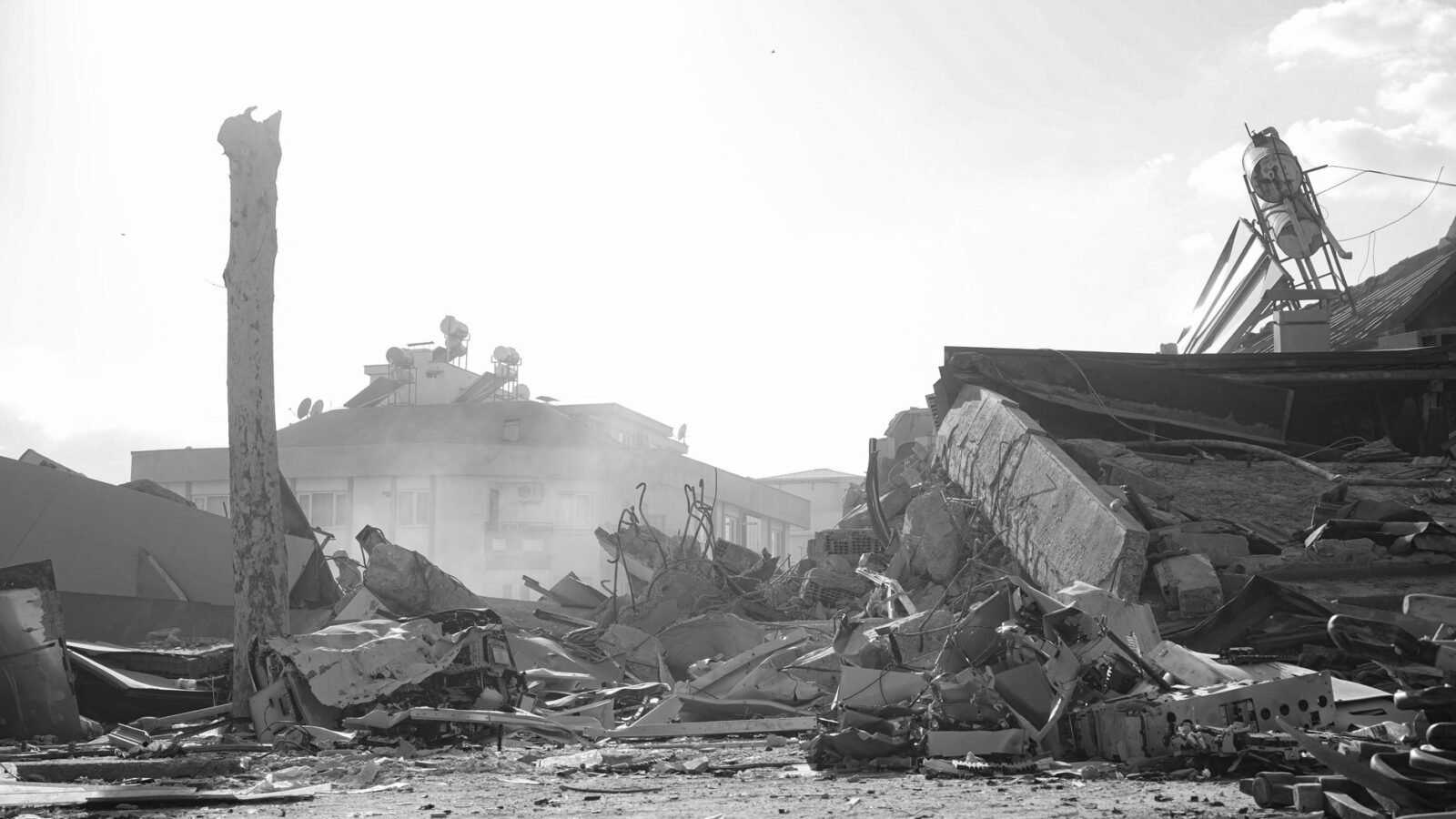
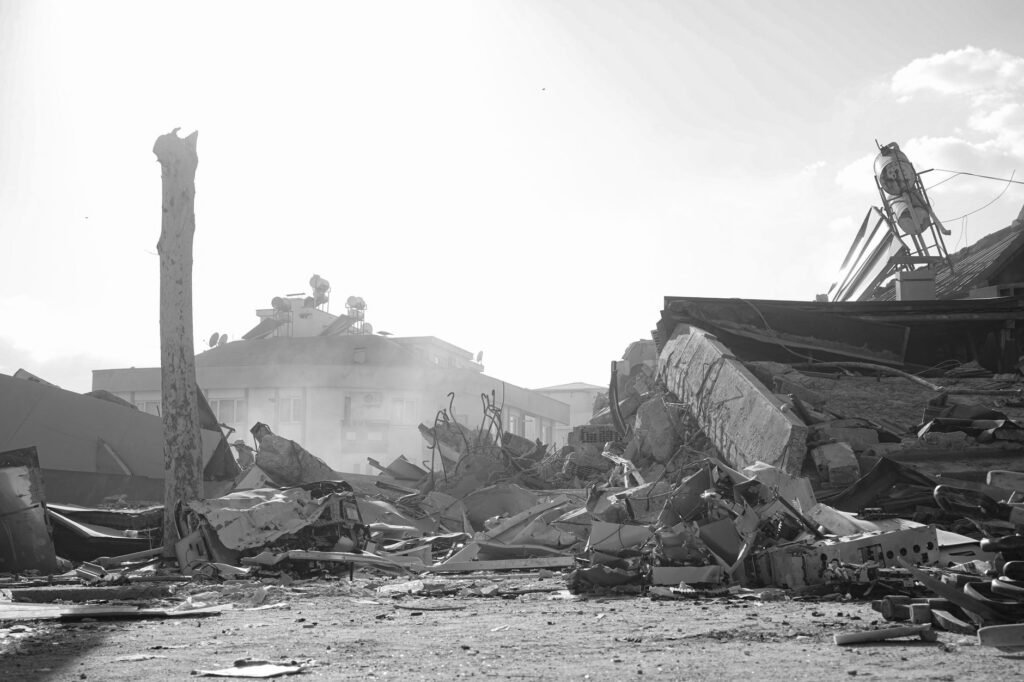
Ukrainian President Volodymyr Zelensky has stated that recent Russian strikes on Zaporizhzhia, which resulted in seven fatalities, involved ballistic missiles supplied by North Korea. While specific evidence beyond presidential assertion remains undisclosed, the claim immediately drew international attention, given the implications of such an arms transfer. This would mark a significant, if not unprecedented, direct military assistance from Pyongyang to Moscow for use in the conflict in Ukraine, moving beyond previous allegations of artillery shell transfers.
Why it is contested
The primary contestation revolves around the veracity of the claim itself, and, assuming its truth, the interpretation of its strategic significance. Without independent verification of missile provenance, the immediate reaction from some quarters is to treat the assertion with caution, acknowledging the fog of war and potential information operations. However, should the claim be substantiated, the debate shifts to whether this represents a critical inflection point or merely a symbolic gesture of defiance against Western sanctions. The technical capabilities of North Korean ballistic systems, their accuracy, and reliability in a combat theatre are also subject to scrutiny, influencing their perceived impact on the battlefield.
The competing narratives
One dominant narrative posits that Russia's alleged use of North Korean missiles is a stark indicator of its deepening reliance on pariah states due to severe domestic munitions shortages. Under this interpretation, Moscow's conventional industrial capacity is struggling to meet the demands of protracted conflict, forcing it to seek armaments from unconventional partners. This reading suggests a weakening Russian strategic position, compelled to compromise on its traditional geopolitical standing to maintain its operational tempo. The strongest objection to this view is that it overlooks Russia's extensive domestic defence industry and its capacity for surge production, potentially overstating the severity of any shortages. It also downplays Russia's deliberate strategy of building a multipolar alliance structure, even with states under heavy international sanctions.
A counter-narrative suggests that this missile transfer, if confirmed, is less about Russian desperation and more about a deliberate, calculated move to solidify an anti-Western axis. In this view, Russia is actively cultivating a network of states willing to challenge the prevailing international order, using military cooperation as a key mechanism. North Korea, in turn, gains not only economic benefits but also invaluable real-world testing data for its missile programmes and potentially access to advanced Russian military technology. The primary objection to this interpretation is that while such an axis might be desired by Moscow, the practical utility and impact of North Korean armaments on the Ukrainian front might be marginal, making the political cost of such an overt partnership disproportionately high for Russia, especially concerning its relations with other global powers. It also assumes a level of strategic foresight and coordination that may not fully account for immediate battlefield necessities.
What to watch next
The immediate focus will be on the emergence of forensic evidence substantiating Ukraine's claims. International observers and intelligence agencies will be scrutinising debris from future strikes for identifiable North Korean components or unique design characteristics. Beyond verification, the international community's response will be critical. Will the alleged transfer trigger new, more stringent sanctions against North Korea or Russia, and if so, what form will these take? The implications for non-proliferation treaties and the global arms control regime are also significant, particularly regarding how the United Nations Security Council, where Russia holds a veto, will address a potential violation by one of its permanent members aiding a proliferator state. Finally, the practical battlefield impact of these missiles, should they continue to be used, will determine whether this is a game-changer or merely a symbolic shift in the conflict's dynamics.
The bottom line
The alleged deployment of North Korean ballistic missiles in Ukraine challenges the prevailing understanding of both Russia's strategic resilience and the evolving dynamics of international security alliances. Is this a sign of Russia's weakening hand, forced into unsavoury partnerships, or a deliberate manoeuvre to forge a new anti-Western coalition, testing the limits of international norms and sanctions? The answer will shape not only the trajectory of the conflict in Ukraine but also the broader geopolitical landscape, forcing a reassessment of the efficacy of current diplomatic and economic pressures on states like Russia and North Korea.
Source material: BBC News