Black Sea Grain Attacks Signal Escalation Beyond Ukraine’s Battlefield
Trending Global
Attacks on Russian and Ukrainian grain export infrastructure signal a strategic shift, extending the conflict's economic front.
What just happened
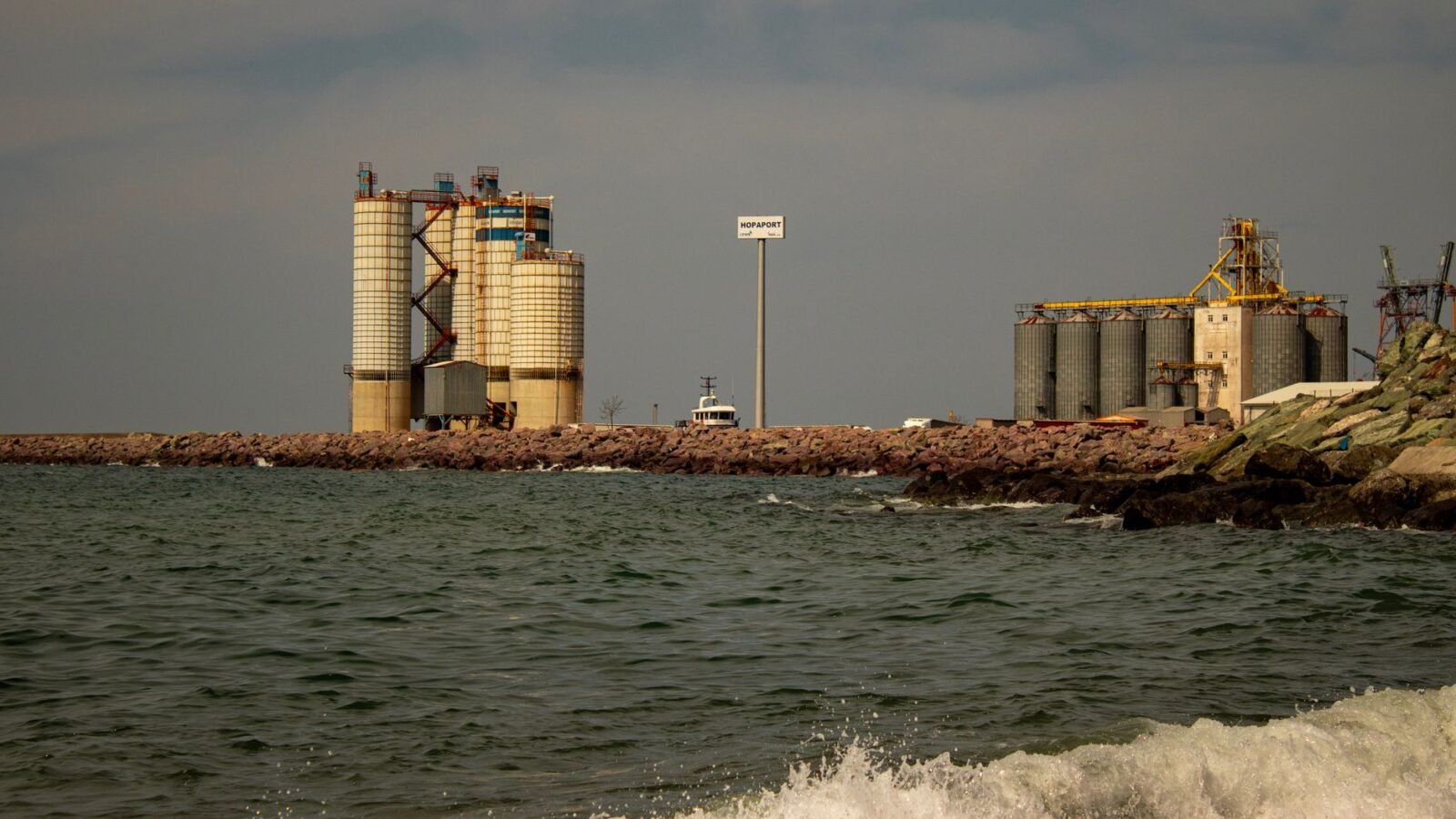
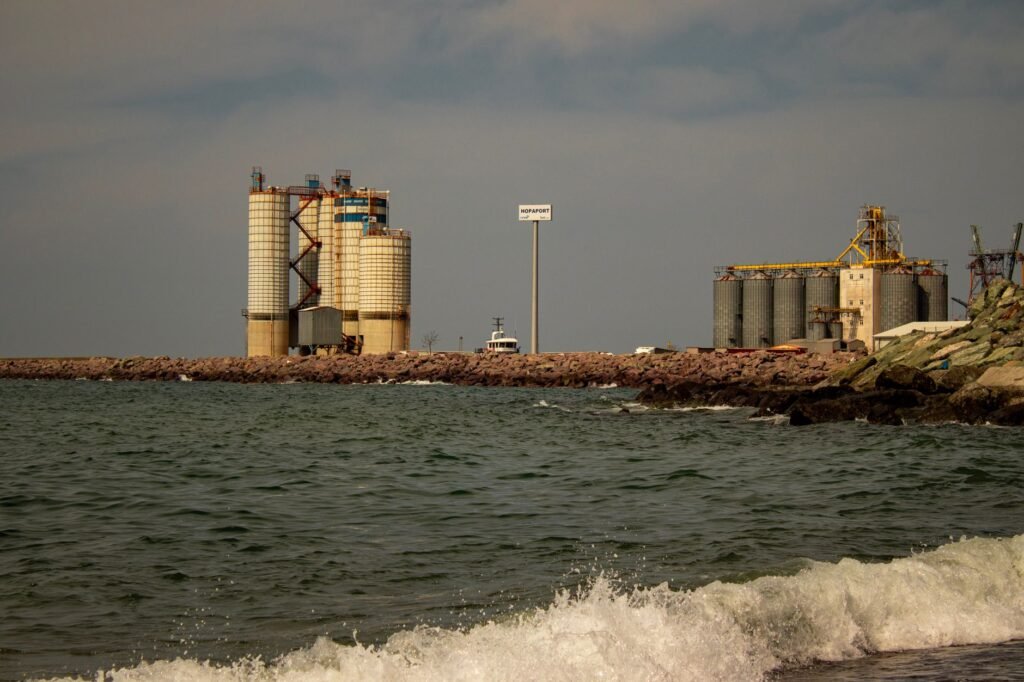
Recent days have seen a marked increase in attacks targeting grain export terminals and port infrastructure in the Black Sea. Both Russia and Ukraine have sustained damage to facilities critical for their respective agricultural exports. While specific details of each incident remain guarded, the pattern of strikes indicates a deliberate strategy to degrade the adversary's capacity to ship grain, a vital source of revenue and global food supply.
These actions follow a period of heightened tensions in the Black Sea, particularly after the lapse of the Black Sea Grain Initiative. The targeting of port infrastructure, rather than solely naval assets, signifies a broadening of the conflict's scope, directly impacting the economic lifelines of both nations and the international commodity markets that rely upon them.
Why it is contested
The strategic intent behind these attacks remains a subject of intense debate among analysts. While the immediate outcome of reduced grain exports is clear, the long-term objectives and the implications for the conflict's trajectory are not. Some interpret the actions as a desperate attempt to gain leverage, while others see a calculated move to reshape the economic geography of the Black Sea.
The lack of clear attribution for all incidents further complicates analysis, allowing for multiple, often conflicting, interpretations of responsibility and motive. This ambiguity contributes to an environment where the full implications of each strike are difficult to ascertain, leaving open questions about the potential for further escalation and unintended consequences.
The competing narratives
One prevailing narrative posits that these attacks are primarily an economic weapon, intended to cripple the opponent's ability to finance the conflict. For Ukraine, disrupting Russian grain exports could reduce Moscow's war chest, while for Russia, targeting Ukrainian ports aims to undermine Kyiv's economic resilience and its capacity to sustain its war effort. The strongest objection to this view is that such actions also inflict significant collateral damage on global food security and commodity prices, potentially alienating international partners and provoking a broader response.
An alternative interpretation suggests that the attacks are part of a broader strategy to establish control or denial over Black Sea shipping lanes. By making export operations prohibitively risky, either side could seek to force a renegotiation of maritime transit rules or to exert greater influence over future trade agreements. This reading implies a more ambitious, long-term geopolitical objective beyond mere economic attrition. The counter-argument here is that neither side possesses the naval dominance to truly enforce such control, and the mutual destruction of export capacity ultimately harms both belligerents without conferring a decisive advantage.
What to watch next
The immediate future will hinge on the response from third parties, particularly maritime insurers and international shipping companies. A sustained increase in risk premiums or a reluctance to navigate the Black Sea could effectively enforce a blockade without direct military intervention. The effectiveness of air defence systems in protecting remaining port infrastructure will also be a critical factor, as will any attempts by either side to establish alternative, less vulnerable export routes.
Furthermore, observers will be scrutinising any statements or actions from major grain importers, particularly those in the Global South, whose food security is directly threatened by these developments. Their potential diplomatic or economic pressure could influence the belligerents' strategic calculations, but the threshold for such intervention remains unclear.
The bottom line
The Black Sea grain terminal attacks represent a significant expansion of the conflict's economic and geographical scope. While they clearly aim to degrade the adversary's export capacity, the broader strategic intent remains ambiguous, oscillating between economic warfare and a contest for maritime control. The critical question is whether this escalation will result in a decisive advantage for either side, or merely deepen the mutual economic harm and further destabilise global food markets, without altering the fundamental military balance. What would it take for this to be seen as a pyrrhic victory rather than a strategic gain?
Source material: BBC News