Colombia Earthquake: The Hidden Toll Beyond Initial Casualty Counts
Trending Global
The official count of 'missing' in Colombia's recent earthquake masks a deeper ambiguity about state reach and regional governance.
What just happened
A substantial earthquake has struck Colombia, with initial reports indicating thousands of individuals are unaccounted for. This figure, while immediately concerning, introduces a layer of analytical complexity that extends beyond a simple count of potential fatalities. The designation 'missing' in such contexts often serves as a provisional category, encompassing everything from individuals displaced without communication to those feared deceased but not yet recovered. The immediate aftermath of a major seismic event invariably involves a chaotic information environment, where the imperative to provide rapid updates frequently outpaces the capacity for rigorous verification.
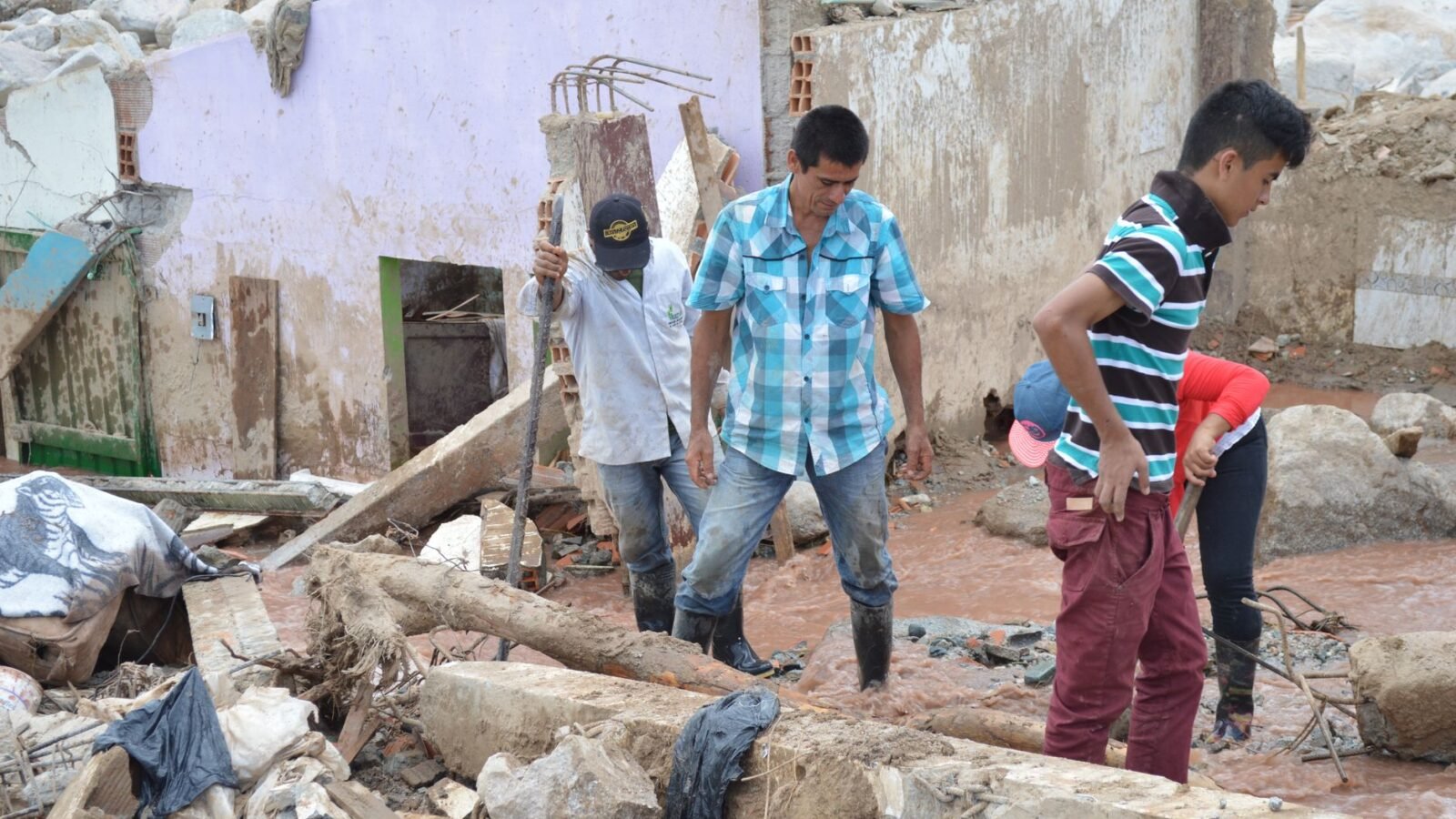
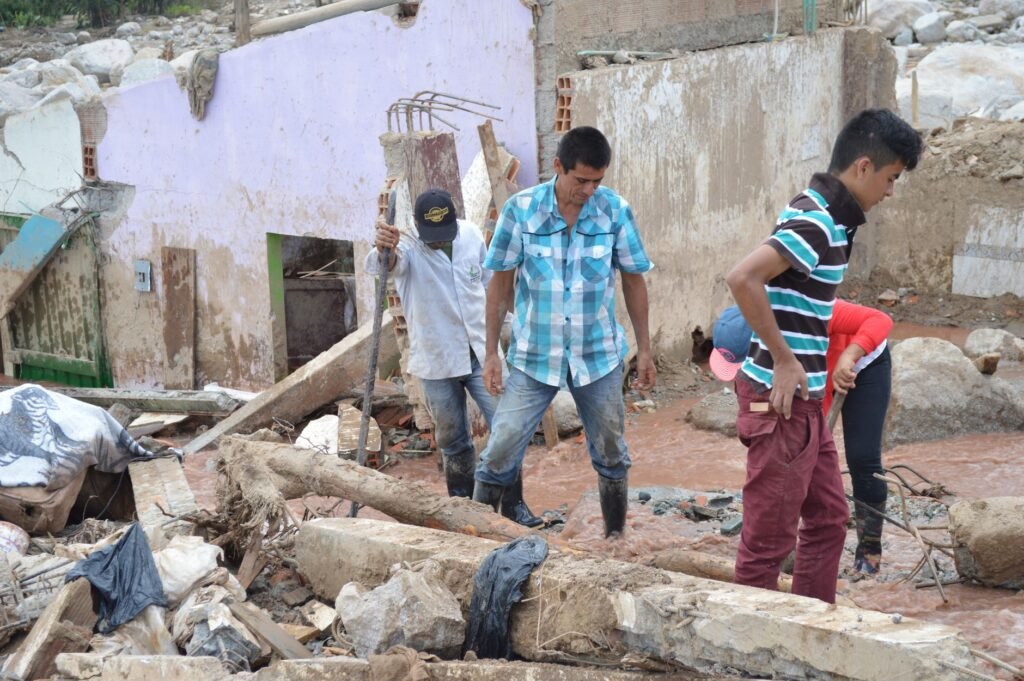
The geographical characteristics of the affected regions in Colombia—often remote, mountainous, and with sparse infrastructure—compound the challenge of accurate reporting. Access for rescue teams is inherently difficult, and communication networks are frequently compromised. This environment means that the initial 'missing' count is less a precise statistical measure and more an indicator of the scale of disruption and the immediate limitations on state visibility into its own territory. Understanding the implications of this figure requires examining the underlying capacity for registration and identification in the affected areas.
Why it is contested
The 'thousands missing' figure is contested not in its raw numerical value, but in what it signifies about the depth of the crisis and the state's functional reach. One interpretation frames it as a direct proxy for a catastrophic loss of life, suggesting a death toll that could eventually be far higher than any initially confirmed fatalities. This view emphasizes the destructive power of the earthquake and the vulnerability of communities in its path, calling for an urgent and extensive international humanitarian response predicated on a high presumed casualty count.
Conversely, a competing interpretation suggests that the high 'missing' number is as much a reflection of pre-existing systemic weaknesses in civil registration and population tracking as it is a direct measure of immediate fatalities. In regions with transient populations, informal settlements, or limited state presence, the baseline data required to identify who is 'missing' in the first place may be inherently unreliable. If a significant portion of the 'missing' were never officially registered residents, their eventual reconciliation—or lack thereof—becomes a complex administrative challenge rather than solely a search and rescue operation. This distinction is critical for understanding the long-term implications for governance and social cohesion.
The competing narratives
One narrative posits that the scale of the 'missing' indicates a profound and immediate humanitarian catastrophe, demanding an all-of-government and international response focused on recovery and aid distribution for a population facing extreme loss. This perspective highlights the fragility of life in disaster-prone regions and the ethical imperative to assume the worst until proven otherwise. The strongest objection to this reading is that it risks misallocating resources by overemphasizing search and rescue for individuals who may eventually be found displaced but alive, or who were never definitively located at the epicentre, thereby diverting efforts from broader recovery and infrastructure rebuilding.
The counter-narrative argues that the 'missing' figure primarily exposes the limitations of state capacity and data infrastructure in remote Colombian territories. From this perspective, the earthquake has merely illuminated pre-existing blind spots in demographic tracking and civil registration. The objection here is that this reading, while analytically rigorous, risks depersonalizing the tragedy and understating the immediate human suffering by focusing on abstract systemic issues when urgent action is required. It also potentially delays or diminishes the perceived need for international assistance, which might otherwise be mobilised more rapidly under a pure humanitarian framing. The tension between these narratives lies in whether the primary lens for understanding the disaster should be one of immediate human loss or one of long-term institutional vulnerability.
What to watch next
The critical indicator to watch will be the rate at which the 'missing' figure either converts into confirmed fatalities or is reduced through the re-establishment of contact with individuals. A rapid decline in the 'missing' count, coupled with a relatively stable confirmed death toll, would lend credence to the narrative of displacement and communication breakdown. Conversely, a sustained high 'missing' count, even as search efforts continue, would suggest a more severe, unconfirmed death toll. The nature and scale of international aid requests from the Colombian government, and the specific metrics they use to justify these requests, will also be instructive.
Furthermore, observe the political discourse surrounding the disaster. Will the government emphasize the resilience of its institutions and the efficacy of its response, or will it tacitly acknowledge the limitations exposed by the event, potentially seeking international expertise in civil registration and disaster preparedness? The long-term implications for internal migration patterns and the stability of remote communities will also bear close scrutiny. Will the disaster accelerate urban migration, or will it prompt new investments in rural infrastructure and governance?
The bottom line
The thousands reported missing in Colombia's earthquake represent more than a numerical tragedy; they serve as an ambiguous marker of the state's functional reach and the reliability of information from its periphery. The true test of this event will not just be the final casualty count, but how the Colombian state, and the international community, reconcile the initial ambiguity with the long-term needs for reconstruction and institutional strengthening. What does it take for a state to truly know who and where its citizens are, particularly when disaster strikes?
Source material: Al Jazeera – Breaking News, World News and Video from Al Jazeera