UK seizure of ‘shadow fleet’ tanker escalates maritime enforcement debate
Trending Global
The UK's interdiction of a vessel suspected of sanctions evasion marks a significant move against 'shadow fleet' operations, prompting debate over legal precedents and future enforcement actions.
What just happened
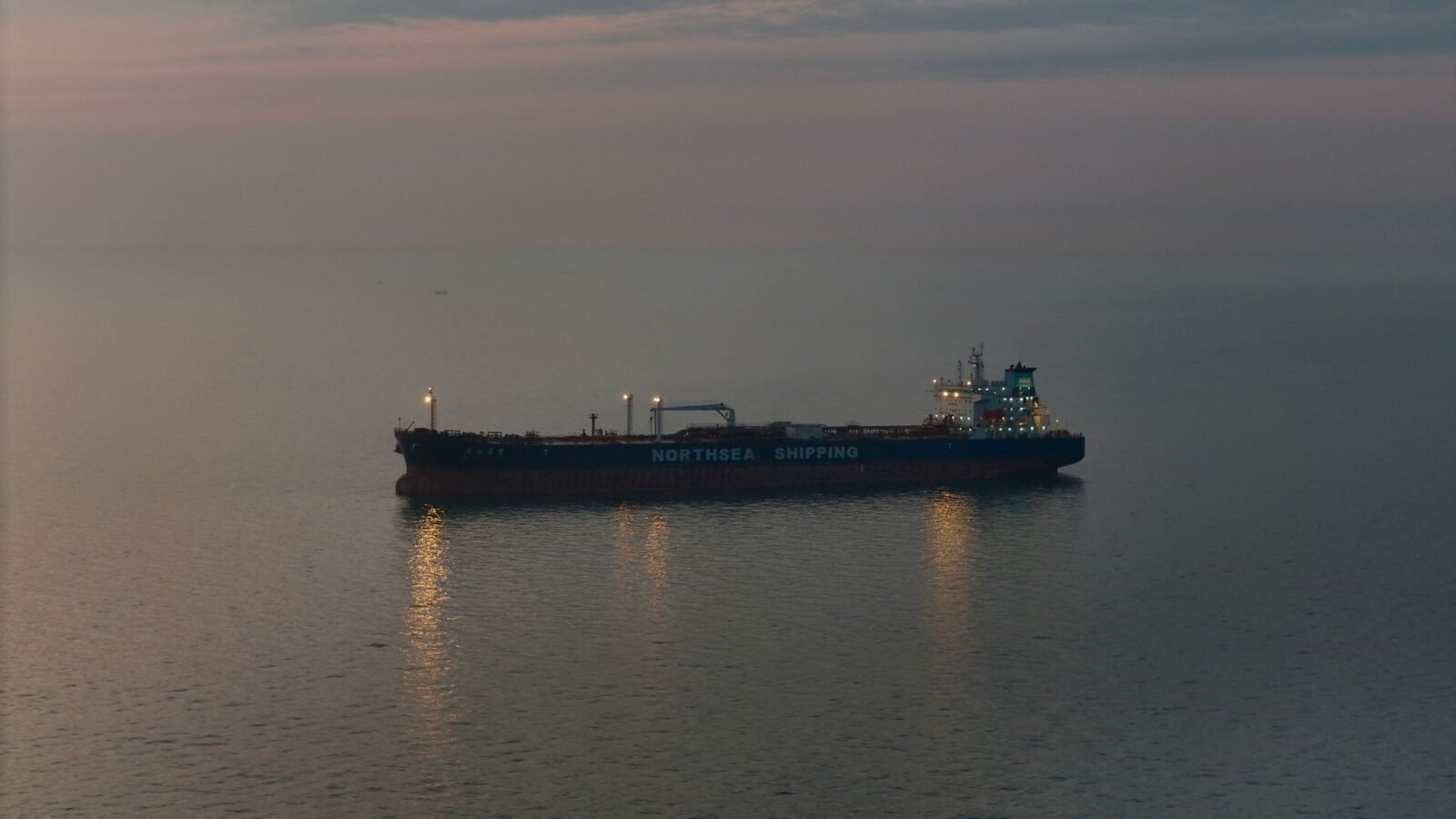
The United Kingdom government has confirmed its seizure of a tanker suspected of involvement in the 'shadow fleet', a network of vessels reportedly engaged in circumventing international sanctions. This action, which the UK characterises as a measure to 'disrupt and deter' such operations, represents a direct, physical intervention against the infrastructure facilitating sanctions evasion. While the specifics of the seizure—its precise location, the flag state of the vessel, and the explicit legal authority invoked—have not been fully detailed, the UK's public defence of the action signifies a deliberate policy choice to escalate enforcement beyond financial sanctions or port denials.
Why it is contested
The seizure of a vessel on the open seas, even one suspected of illicit activity, raises profound questions of international law and state sovereignty. Customary international law grants states jurisdiction over vessels flying their flag. Interdicting a vessel not registered to the enforcing state, outside of its territorial waters, typically requires a compelling legal basis, often involving a UN Security Council resolution, a bilateral agreement, or the exercise of universal jurisdiction over crimes like piracy or slavery. Sanctions evasion, while a serious breach of national and international policy, does not traditionally fall under these categories for unilateral interdiction on the high seas. The UK's justification, framed around 'disrupting and deterring shadow fleet vessels in accordance with the law', implies a reliance on specific legal interpretations or domestic legislation that may not be universally accepted as grounds for extraterritorial enforcement.
The competing narratives
One prevailing narrative posits that the rise of the 'shadow fleet'—a response to increasingly stringent sanctions regimes—necessitates a more proactive and physical enforcement approach. Proponents of this view argue that traditional methods of sanctions enforcement have proven insufficient to halt the flow of sanctioned commodities, particularly oil, and that direct interdiction is a legitimate, even overdue, measure to restore the efficacy of international restrictions. The strongest objection to this reading is that it risks setting a dangerous precedent for unilateral action, potentially inviting other states to interdict vessels on less robust grounds, thereby destabilising the principle of freedom of navigation and the established order of maritime law.
Conversely, an alternative narrative suggests that this action represents an overreach, potentially undermining the delicate balance of international maritime law. Critics might contend that while sanctions evasion is problematic, the appropriate response lies in strengthening intelligence, financial tracing, and diplomatic pressure, rather than resorting to actions that blur the lines between law enforcement and acts of state. The strongest objection to this perspective is that it offers no practical solution to the manifest failure of existing enforcement mechanisms to curtail the 'shadow fleet', effectively ceding control of a significant portion of global maritime trade to actors operating outside established norms and regulations.
What to watch next
The immediate aftermath will be shaped by the legal challenges mounted against the UK's action. The flag state of the seized vessel, as well as its beneficial owners, may initiate legal proceedings, testing the UK's legal basis in an international court. Furthermore, the response of other nations with significant maritime interests, particularly those whose vessels might be similarly targeted in future operations, will be crucial. Any official condemnation or, conversely, tacit endorsement from major maritime powers could either legitimise or delegitimise this form of enforcement. The incident will also be observed for its impact on insurance markets and shipping routes, as operators assess the increased risk of interdiction.
The bottom line
The UK's seizure of a 'shadow fleet' tanker is not merely an isolated enforcement action; it is a direct challenge to the operational impunity that these vessels have largely enjoyed. It forces a reckoning with the limits of existing international law in addressing novel forms of economic warfare and sanctions circumvention. The central question remains: does this represent a necessary, albeit legally complex, evolution of maritime enforcement to defend international norms, or does it risk eroding the very principles of sovereignty and freedom of navigation that underpin global commerce?
Source material: BBC News