Taliban’s Five-Year Mark: Stability or Entrenchment of Isolation?
Trending Global
The fifth anniversary of the Taliban's return to power prompts a re-evaluation of Afghanistan's trajectory, balancing internal stability against international pariah status.
What just happened
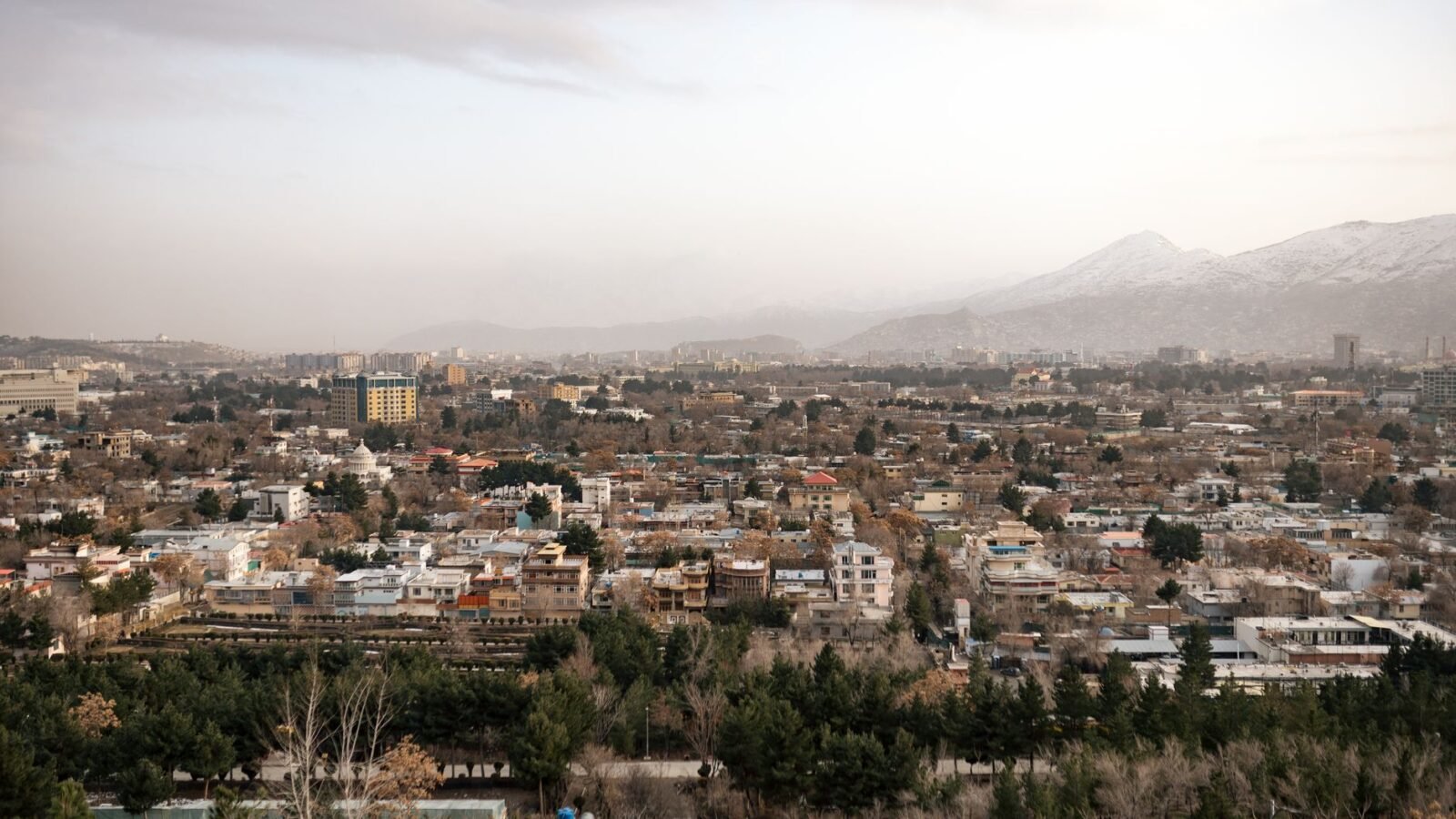
Afghans have marked the fifth anniversary of the Taliban's return to power, a period that has seen the complete cessation of the long-running insurgency and the establishment of a singular, if internationally unrecognised, governing authority across the country. The gatherings in Kabul, while framed by the regime as celebrations of sovereignty, underscore a complex reality where the absence of conflict has brought a degree of physical security for many, yet simultaneously curtailed fundamental rights and deepened the nation's economic and diplomatic isolation. This milestone prompts a reassessment of the regime's durability and the broader implications for Afghanistan's future, moving beyond the immediate aftermath of the 2021 withdrawal.
Why it is contested
The contestation around the Taliban's five-year tenure revolves not around the fact of their control, but its meaning and sustainability. For some, the period represents a return to an indigenous, if austere, order that has brought an end to decades of external intervention and internal strife. The lack of a significant, organised armed resistance to the Taliban, particularly in the scale seen during previous eras, is frequently cited as evidence of a reluctant acceptance, or at least a practical accommodation, by much of the population. This perspective suggests a new equilibrium, however unpalatable to liberal democracies, is taking hold. Yet, this reading is fiercely challenged by those who point to the systematic dismantling of civil society, the suppression of women's rights, and the ongoing humanitarian crisis as indicators of a regime whose stability is superficial and achieved through coercion rather than consent. The profound economic hardship, exacerbated by sanctions and the freezing of central bank assets, also raises questions about the long-term viability of a state unable to provide basic services or attract significant foreign investment.
The competing narratives
Two primary narratives contend for dominance in interpreting the Taliban's five-year mark. The first posits that the Taliban have successfully consolidated power, establishing a de facto state apparatus that, despite its ideological rigidity, has brought an unprecedented degree of internal security and a measure of administrative order. Proponents of this view argue that the absence of a viable alternative, coupled with the fatigue of war, has cemented the Taliban's position, rendering talk of their imminent collapse unrealistic. The strongest objection to this narrative is that a peace enforced by a monopoly of violence, without broad popular legitimacy or international recognition, is inherently fragile and susceptible to internal dissent or external pressures over time, particularly as economic conditions deteriorate.
The second narrative views the current stability as a temporary lull, a period of consolidation before deeper internal contradictions or external pressures force a reckoning. This perspective highlights the regime's failure to gain international recognition, its isolation from the global financial system, and the ongoing human rights abuses as unsustainable in the long run. It suggests that the current peace is not a sign of acceptance but of a populace exhausted and unable to resist, with underlying grievances that will eventually resurface. The strongest objection to this reading is that it overestimates the capacity or willingness of either internal or external actors to dislodge the Taliban, failing to account for the regime's demonstrable resilience and the international community's reluctance to re-engage militarily.
What to watch next
The critical variables for Afghanistan's immediate future include the Taliban's internal cohesion, particularly between its more pragmatic and hardline factions, and the trajectory of the humanitarian crisis. Any significant splintering within the leadership could destabilise the current peace. Externally, the degree of engagement from regional powers, particularly China, Pakistan, and Iran, will be crucial in determining the extent of Afghanistan's isolation and its access to economic lifelines. The international community's evolving stance on recognition, potentially tied to human rights concessions, will also shape the regime's ability to transition from a pariah state to a more integrated, albeit still ideologically distinct, actor on the global stage. The question remains whether any of these pressures will fundamentally alter the Taliban's governing philosophy or merely reinforce its insularity.
The bottom line
Five years of Taliban rule have solidified their grip on Afghanistan, yet the nature of this stability remains deeply ambiguous. Is it the foundation of a new, albeit harsh, national order, or merely a protracted interregnum until the internal and external pressures become insurmountable? The absence of a clear answer leaves the future of Afghanistan poised between an entrenched isolation and the distant prospect of a pragmatic re-engagement, with millions of lives hanging in the balance.
Source material: Al Jazeera – Breaking News, World News and Video from Al Jazeera