Indonesia Earthquake Response Tests Disaster Resilience Framework
Trending Global
A powerful earthquake in Indonesia, causing significant casualties and destruction, exposes the persistent challenges in rapid assessment and coordinated relief efforts.
What just happened
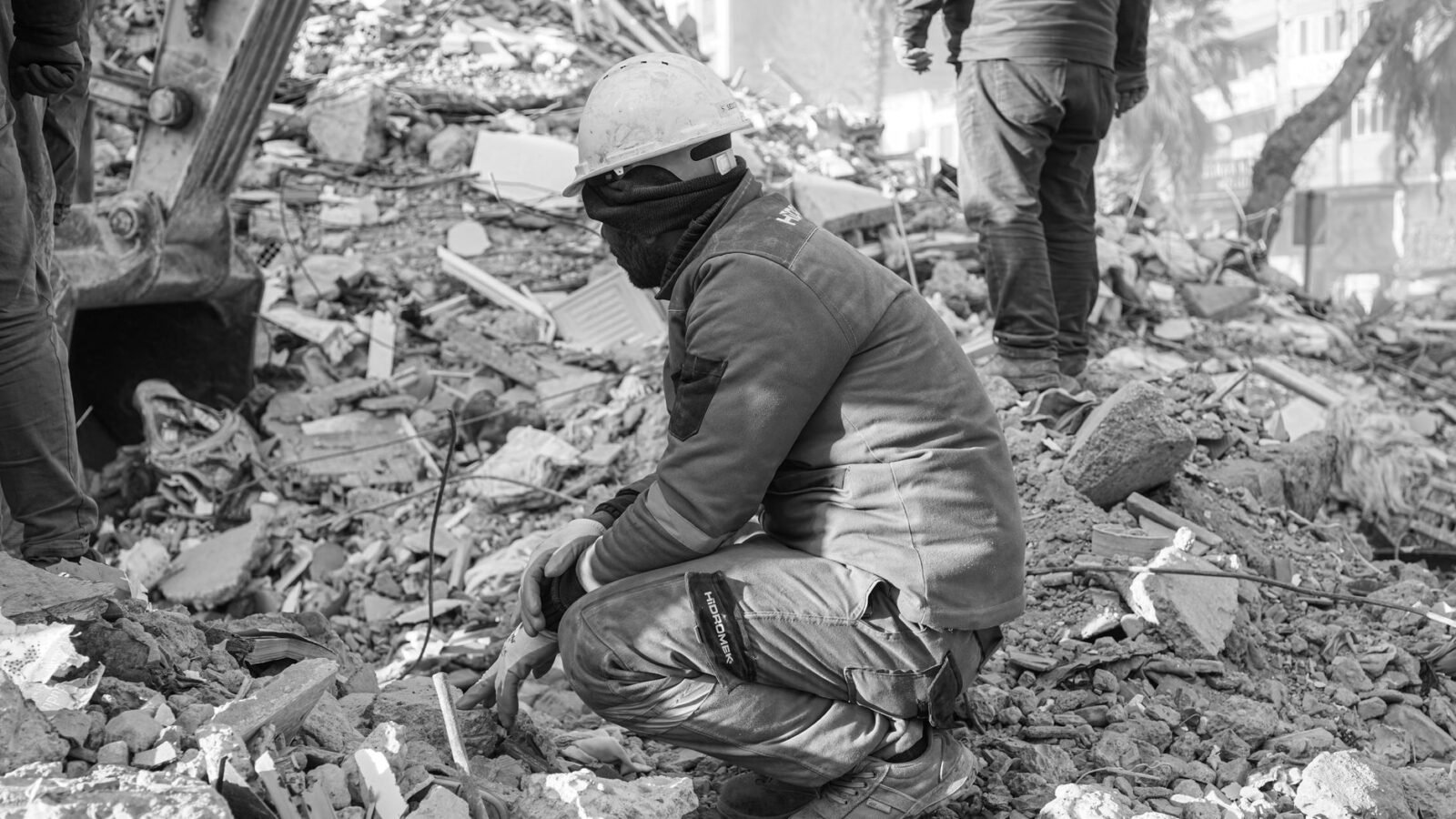
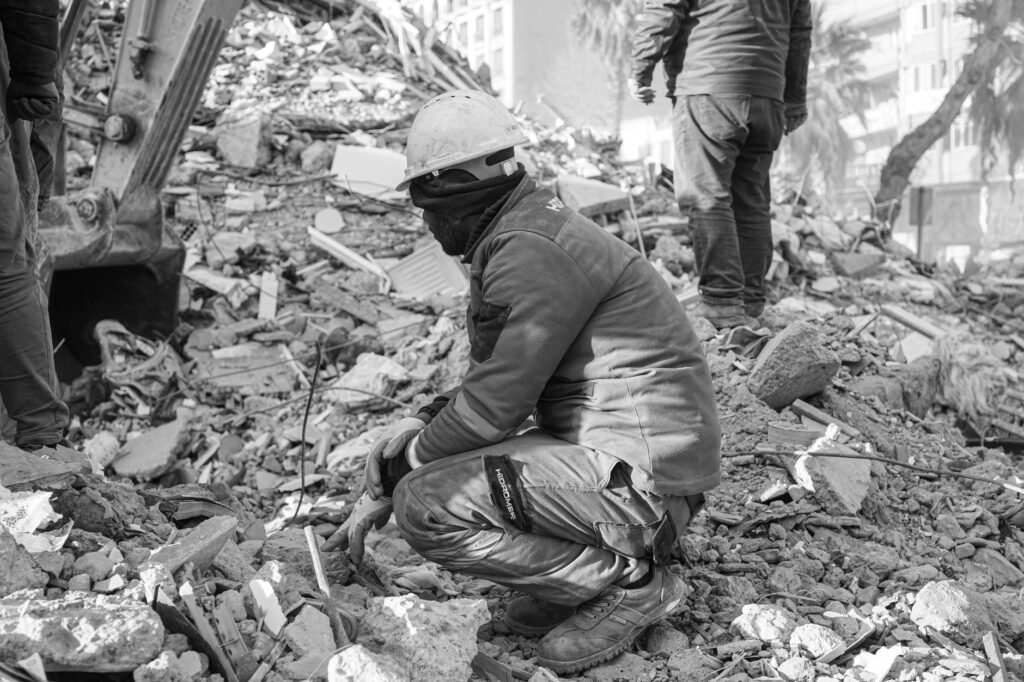
A significant earthquake struck Indonesia, leading to the collapse of hundreds of structures and claiming at least 47 lives, according to initial official reports. Rescue operations are now focused on locating survivors amidst the debris. The immediate aftermath has seen a concentrated effort to deploy emergency services and conduct a rapid assessment of the damage across affected regions. This incident marks another instance where Indonesia, situated on the 'Ring of Fire', confronts the recurrent challenge of seismic activity and its devastating consequences.
Why it is contested
The immediate response to such a catastrophic event is invariably complex, yet the current situation in Indonesia brings into focus a long-standing debate regarding the efficacy of national disaster preparedness frameworks. While official statements emphasise the deployment of resources and ongoing assessments, the speed and comprehensiveness of these actions are subject to critical scrutiny. The core contention revolves around whether existing protocols genuinely facilitate rapid, coordinated relief or if they primarily serve as a reactive mechanism, struggling to keep pace with the scale of destruction in highly vulnerable areas.
The competing narratives
One prevailing narrative suggests that Indonesia's extensive experience with natural disasters has fostered a robust, if imperfect, system of response. Proponents of this view point to the rapid mobilisation of search and rescue teams, the initiation of damage assessments, and the established governmental structures designed to manage such crises. The strongest objection to this interpretation lies in the persistent reports of initial chaos, the difficulty in reaching remote areas, and the recurring pattern of high casualty figures despite ostensibly improved early warning and preparedness systems. Critics argue that while a framework exists on paper, its practical implementation often falters under the immense pressure of large-scale events, leading to avoidable delays in critical moments.
Conversely, another perspective argues that the sheer geological vulnerability of Indonesia makes any disaster response inherently challenging, regardless of the sophistication of the planning. This view posits that the scale of potential destruction often overwhelms even the best-laid plans, particularly in densely populated or geographically complex areas. The objection here is that while geological reality is undeniable, it should not serve as an excuse for systemic weaknesses in infrastructure resilience or the timely distribution of aid. If a nation is known to be highly susceptible to earthquakes, then building codes, urban planning, and logistical pre-positioning should reflect that heightened risk, rather than merely reacting to its inevitable occurrence. The argument is not against the difficulty of the task, but against the perceived gap between stated preparedness and observable outcomes.
What to watch next
The coming days will be critical in discerning the true effectiveness of the immediate response. Observers should track the rate at which affected areas are accessed, the provision of humanitarian aid, and the transparency of official casualty and damage reports. Beyond the immediate rescue efforts, the focus will shift to the coordination of international assistance and the longer-term reconstruction plans. Any significant divergence between initial estimates of damage and subsequent, more detailed surveys could indicate underlying issues with assessment methodologies. Furthermore, the political and social response to any perceived shortcomings in relief efforts will be a key indicator of public trust and governmental accountability.
The bottom line
Indonesia's latest earthquake serves as more than just a tragic natural event; it is a live examination of the country's disaster resilience architecture. The tension between the stated capabilities of a disaster-prone nation and the observable challenges on the ground remains. Will this event prompt a fundamental re-evaluation of preparedness and infrastructure standards, or will it be absorbed into the familiar cycle of response and recovery, leaving the underlying vulnerabilities unaddressed for the next inevitable tremor?
Source material: BBC News