Indonesia’s Seismic Vulnerability: Beyond Immediate Relief
Trending Global
A powerful earthquake in Indonesia has once again highlighted the nation's profound seismic risk, but the discourse is shifting from immediate casualty figures to the underlying policy failures and economic trade-offs.
What just happened
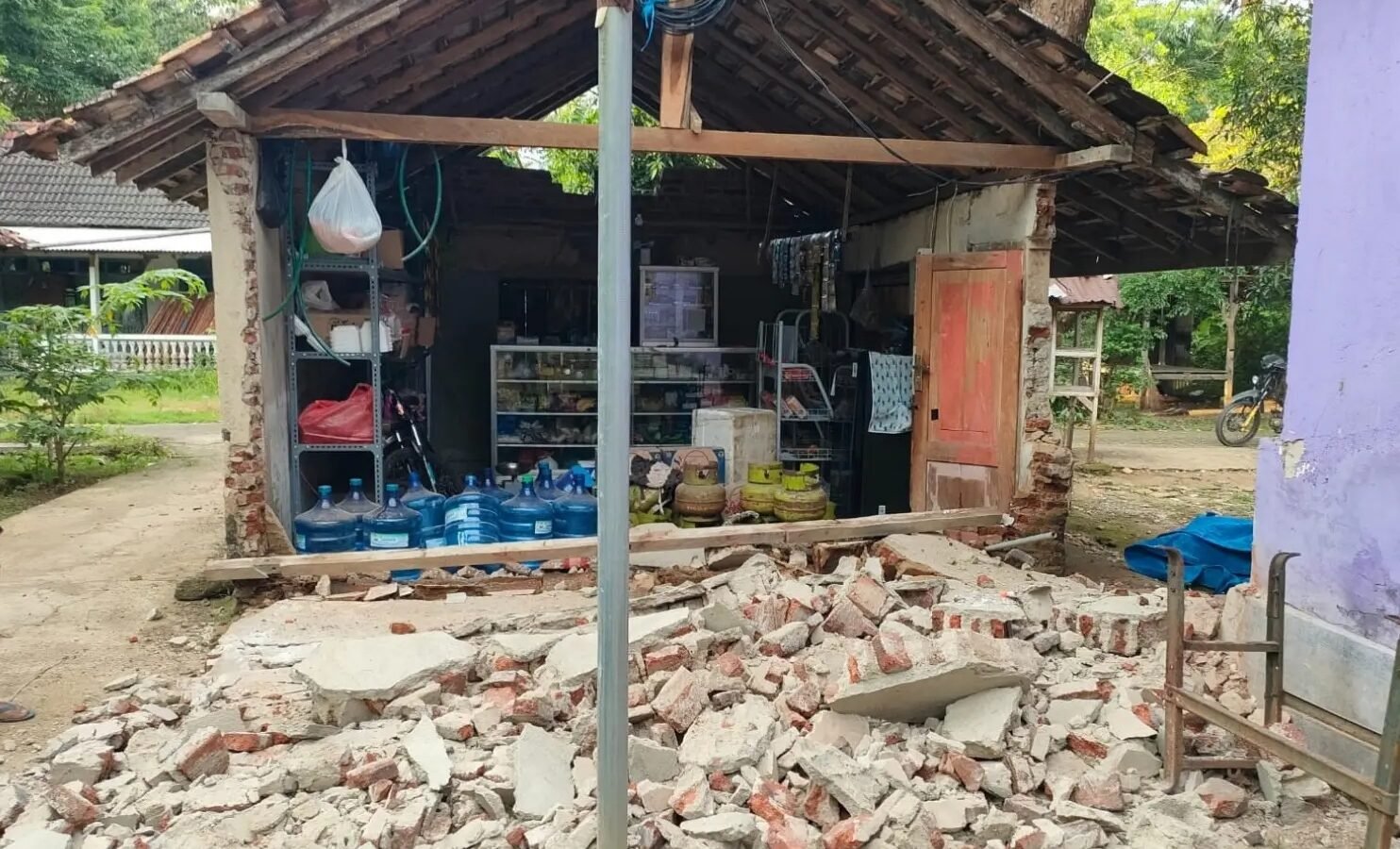
A magnitude 7.7 earthquake struck Indonesia, resulting in at least 51 fatalities and the displacement of approximately 5,000 individuals. The seismic event caused extensive damage, with over 1,300 homes reported to be affected. This incident marks one of the deadliest earthquakes to impact the archipelago in recent years, prompting an immediate humanitarian response focused on search and rescue, medical aid, and shelter for those displaced. The geographical context of Indonesia, situated within the 'Ring of Fire,' renders it inherently susceptible to frequent and powerful seismic activity, making such events a recurrent challenge for its population and infrastructure.
Why it is contested
The immediate aftermath of a significant natural disaster inevitably elicits calls for enhanced resilience and preventative measures. However, the extent of the damage from this earthquake has ignited a more profound debate regarding the underlying causes beyond mere geological inevitability. The central contention is whether the human cost and structural devastation are primarily attributable to the sheer force of nature, or if they expose systemic deficiencies in urban planning, building code enforcement, and investment in resilient infrastructure. Critics argue that a recurring pattern of high casualties and extensive damage after seismic events suggests an ongoing failure to adequately prepare, despite the known risks. Conversely, proponents of an alternative view maintain that the economic realities of a developing nation necessitate difficult trade-offs, where the cost of universal, earthquake-proof construction may be prohibitive, diverting resources from more immediate development priorities. This tension between aspirational safety standards and practical economic constraints forms the crux of the contestation.
The competing narratives
One dominant narrative asserts that the casualties and property destruction are largely preventable and indicative of a governance deficit. This perspective posits that lax enforcement of building codes, coupled with inadequate urban planning in high-risk zones, creates a fertile ground for disaster amplification. Proponents of this view argue that while earthquakes are natural phenomena, their destructive impact on human life and infrastructure is often a product of human decisions and prioritisation. They contend that a more robust regulatory framework, stricter adherence to seismic-resistant construction standards, and greater public awareness campaigns could significantly mitigate future losses. The strongest objection to this reading often points to the immense financial burden such universal upgrades would impose on a developing economy, suggesting that resources might be better allocated to poverty reduction or essential services, which also save lives in a different context.
An alternative narrative frames the situation as an unavoidable consequence of Indonesia's geographical reality and the inherent economic limitations of a rapidly developing nation. This perspective suggests that while improvements are always desirable, achieving absolute resilience against a magnitude 7.7 earthquake across a vast and populous archipelago is an unrealistic and prohibitively expensive endeavour. Advocates of this view argue that allocating substantial portions of the national budget solely to earthquake-proofing every structure would divert critical funds from other pressing developmental needs, such as healthcare, education, or economic growth, which might have a broader, more immediate impact on public welfare. The strongest objection to this pragmatic stance is that it potentially normalises preventable deaths and significant economic disruption, arguing that the long-term economic cost of recurrent disaster recovery often outweighs the upfront investment in mitigation, making it a false economy.
What to watch next
The immediate focus will remain on the ongoing humanitarian effort and the precise assessment of damage and displacement figures. Beyond this, observers will be scrutinising the government's response for any indications of a shift in long-term policy. Specifically, attention will turn to whether this event triggers a renewed commitment to stricter building regulations, potentially with international assistance for implementation and oversight. Conversely, if the official discourse continues to emphasise the 'natural disaster' aspect without significant policy changes, it would suggest a continued prioritisation of economic development over what some might consider an unattainable level of seismic resilience. The allocation of reconstruction funds, and whether they are tied to more stringent anti-seismic standards, will be a key indicator. The debate over how to balance economic growth with disaster preparedness will continue to unfold, with each future seismic event serving as a test case for the efficacy of current and proposed strategies.
The bottom line
The latest Indonesian earthquake, while tragic, serves as a stark reminder of the nation’s perpetual vulnerability. The ongoing challenge is not merely to recover from the immediate aftermath but to determine whether the prevailing policy approach will continue to accept a certain level of recurrent devastation as inevitable, or if this event will finally catalyse a fundamental re-evaluation of the economic and social trade-offs inherent in building resilience in a highly active seismic zone. What constitutes an acceptable level of risk, and who ultimately bears the cost of mitigation, remains the unresolved question.
Source material: Al Jazeera – Breaking News, World News and Video from Al Jazeera