Brazil’s Amazon Oil Ambition: A Future Secured or a Climate Reckoning?
Trending Global
Brazil's assertion that Amazon oil represents a 'passport to the future' challenges global climate imperatives, framing resource extraction as essential for national development.
What just happened
Brazil's president has publicly articulated a vision for the nation's future underpinned by oil extraction in the Amazon region. This statement positions the exploitation of hydrocarbon reserves near the Amazon River delta as not merely an economic opportunity, but as a strategic national imperative — a 'passport to the future.' The declaration signals a determined governmental commitment to pursue energy independence and economic growth through fossil fuel development, despite mounting global pressure to transition away from such resources.
Why it is contested
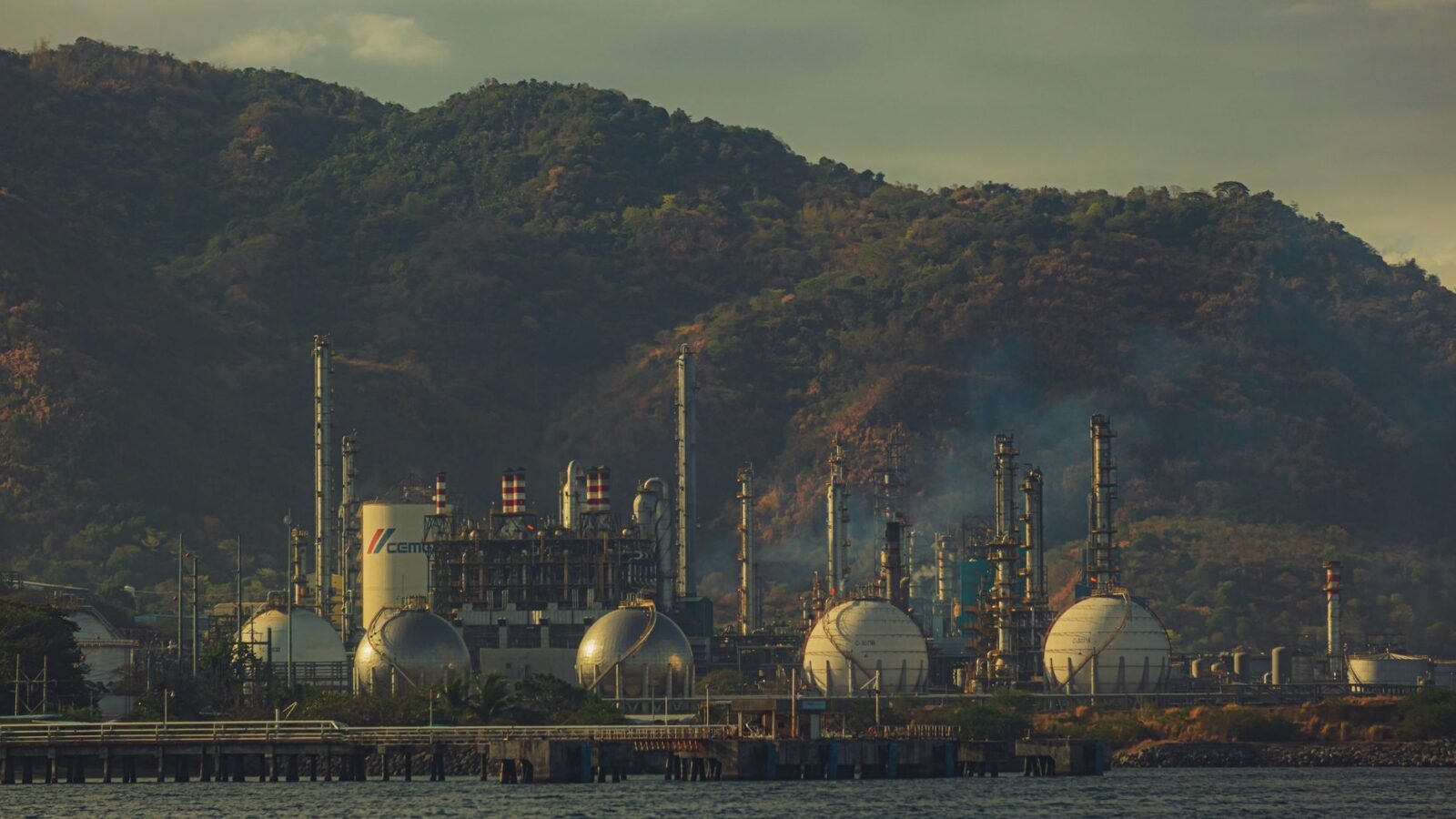
The proposed oil exploration site is situated in an ecologically sensitive area, adjacent to the Amazon River delta. This region is renowned for its biodiversity and plays a critical role in global climate regulation. Environmental organisations, alongside segments of Brazil's own environmental regulatory apparatus, have voiced strenuous objections, citing the inherent risks of oil spills, habitat destruction, and the broader implications for climate change. The controversy is intensified by the global discourse on decarbonisation, placing Brazil's development ambitions in direct conflict with international environmental stewardship. The core of the contestation lies in reconciling national sovereignty over natural resources with the shared global responsibility for climate stability.
The competing narratives
One dominant narrative posits that resource extraction is a fundamental right of sovereign nations, particularly those in the Global South, to lift populations out of poverty and secure economic prosperity. Proponents of this view argue that developed nations, having historically benefited from their own fossil fuel exploitation, lack the moral authority to dictate development pathways to emerging economies. For Brazil, accessing these oil reserves is presented as a pragmatic necessity for funding social programmes, infrastructure development, and enhancing its geopolitical standing. The strongest objection to this perspective is its potential to lock Brazil into a carbon-intensive development model, exacerbating climate change and risking irreversible ecological damage to a globally vital ecosystem.
A counter-narrative frames the Amazon as a global heritage, whose preservation is paramount for planetary health. Advocates for this position argue that the long-term economic and environmental costs of Amazonian oil extraction far outweigh any short-term gains. They contend that Brazil possesses immense potential for sustainable development through renewable energy, ecotourism, and bio-economy initiatives, which would offer a more resilient and equitable 'future passport.' The strongest objection to this environmentalist position is its perceived disregard for the immediate economic needs and aspirations of the Brazilian populace, potentially imposing a development constraint that wealthier nations did not face during their industrialisation.
What to watch next
The immediate future of Amazonian oil exploration hinges on a series of regulatory decisions, particularly from Brazil's environmental agency. Its assessment of the environmental impact will be critical. Beyond the technical approvals, the political will of the current administration to push forward against domestic and international opposition will be a decisive factor. Observers will also be scrutinising the positions of international financial institutions and major energy companies, whose investment decisions could either embolden or constrain Brazil's ambitions. The unfolding debate will serve as a bellwether for how other resource-rich developing nations navigate the tension between national development and global climate responsibilities.
The bottom line
Brazil's articulation of Amazon oil as a 'passport to the future' crystallises a profound global dilemma: how to reconcile sovereign development ambitions with the collective imperative for climate action. The decision point is not merely about energy policy; it is about the very definition of progress and the distribution of environmental costs and economic benefits on a planetary scale. Can a nation secure its future by leveraging resources that might compromise the global future, or will the pressing demands of climate change redefine what constitutes a legitimate path to prosperity? The answer, still unwritten, will have ramifications far beyond Brazil's borders.
Source material: Al Jazeera – Breaking News, World News and Video from Al Jazeera