India’s Monsoon Recovery: Easing Inflation or Premature Optimism?
Trending Global
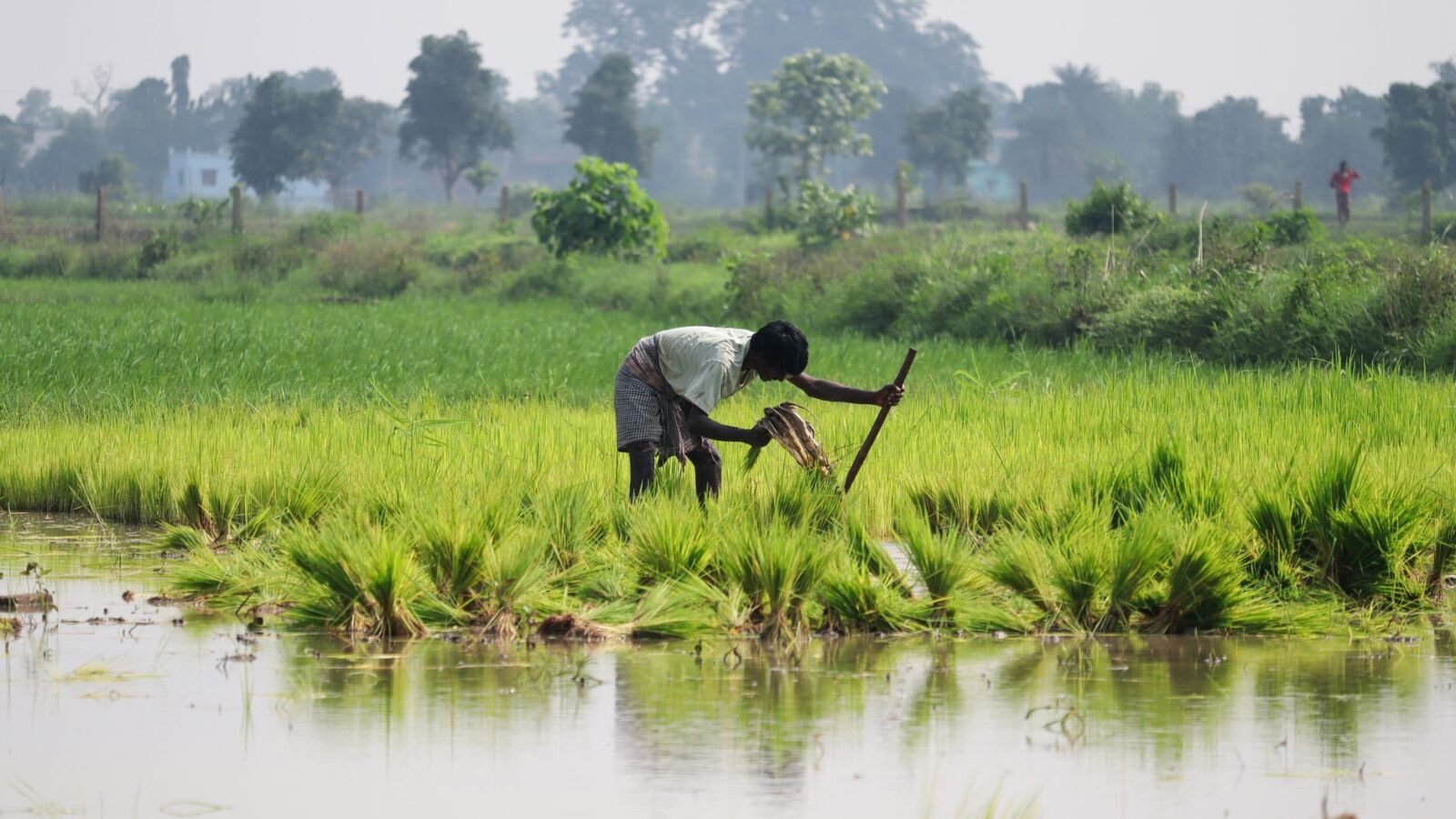
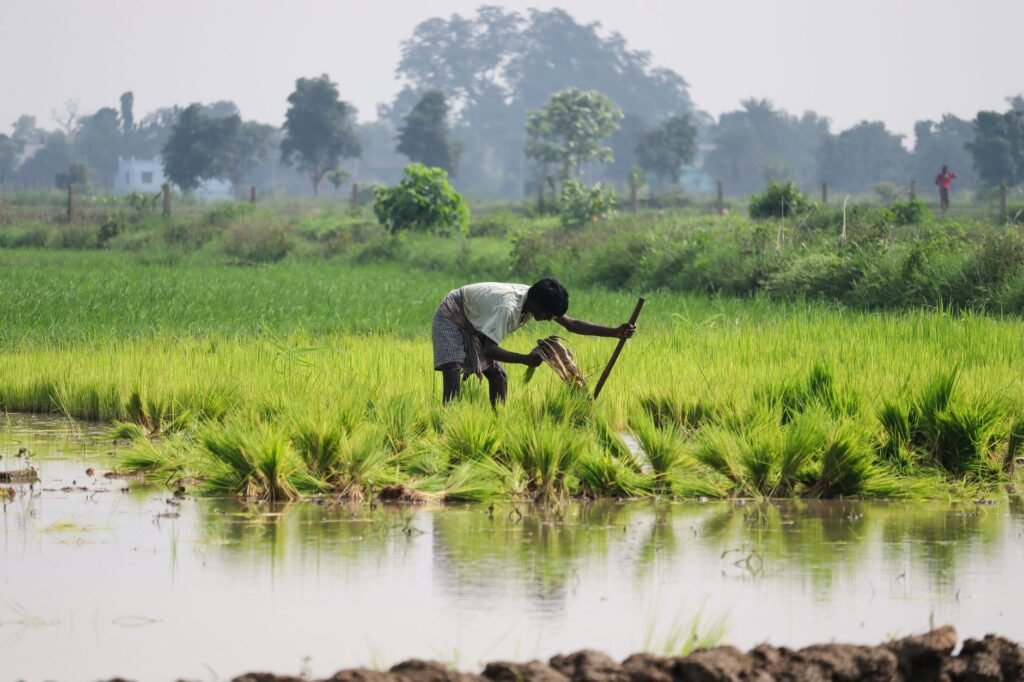
After a dry June, July rains have seen India's monsoon crop planting rebound, prompting debate over the trajectory of food inflation and agricultural output.
What just happened
Following a June that recorded India's lowest rainfall in twelve years, July has seen a significant reversal in fortunes for the country's critical monsoon-dependent agricultural sector. Normal precipitation levels across key farming regions have facilitated a substantial recovery in crop sowing. This development is particularly salient given the initial anxieties surrounding a potential drought and its cascading effects on food supply and inflationary pressures within the Indian economy. The rebound in planting activity suggests a stabilisation in the immediate outlook for staple crops, a crucial factor in a nation where agriculture remains a substantial contributor to GDP and employment.
Why it is contested
While the reported recovery in sowing offers a measure of relief, its broader implications for India's economic stability, particularly concerning food inflation, are far from settled. The contention revolves around whether this July rebound represents a durable shift in the agricultural outlook or merely a temporary alleviation of a deeper, more volatile meteorological pattern. Sceptics point to the inherent unpredictability of monsoon seasons, noting that a strong month does not automatically guarantee a robust overall season. Furthermore, the lag between sowing and harvest means that the full impact on market prices and consumer inflation will not be immediate, leaving ample room for further meteorological or logistical disruptions.
The competing narratives
One prevailing narrative posits that the July recovery marks a crucial turning point, effectively averting a significant food crisis and providing policymakers with much-needed breathing room. Proponents of this view suggest that the robust sowing figures will translate into adequate supply later in the year, thereby dampening inflationary expectations and potentially allowing for a more accommodative monetary stance. The strongest objection to this interpretation is that it places undue weight on a single month's data, overlooking the potential for erratic rainfall in the latter half of the monsoon season or other unforeseen agricultural challenges that could still impact final yields.
Conversely, another perspective argues that the optimism surrounding the July recovery is premature and potentially misleading. This view maintains that while immediate concerns may have eased, the underlying vulnerability of India's agriculture to climate variability remains unaddressed. A single month of good rain does not negate the impact of a profoundly dry June, nor does it guarantee sufficient moisture for the entire growing cycle. The most potent counter-argument to this cautious stance is that it risks overstating the fragility of the situation, potentially ignoring the resilience of Indian farmers and the capacity of the agricultural system to adapt to short-term variations, provided the overall rainfall deficit does not become extreme.
What to watch next
The critical determinant for the remainder of the season will be the performance of the monsoon in August and September. Continued, well-distributed rainfall will be necessary to ensure optimal crop development and to consolidate the gains from July's improved sowing. Beyond precipitation, observers will be closely monitoring reservoir levels, which indicate the availability of water for irrigation, particularly for crops requiring sustained moisture. Furthermore, global commodity price movements, especially for food grains, will play a role in shaping domestic market dynamics, irrespective of local production levels. Any significant shifts in these external factors could either amplify or mitigate the effects of the domestic monsoon performance.
The bottom line
The recovery in India's monsoon crop sowing in July has undoubtedly provided a moment of respite from earlier anxieties. Yet, the question remains whether this represents a genuine shift towards agricultural stability and easing inflation, or merely a temporary reprieve in an inherently volatile system. How much does a single month's favourable data truly reveal about the resilience of an entire agricultural season, and what would it take for this recovery to translate into a sustained alleviation of food price pressures across the subcontinent?
Source material: Bloomberg Markets