Kyiv Infrastructure Strikes: Escalation or Strategic Stalemate?

Trending Global
The latest Russian missile attacks targeting critical infrastructure in Kyiv, disrupting essential services, prompt a reassessment of Moscow's evolving war aims.
What just happened
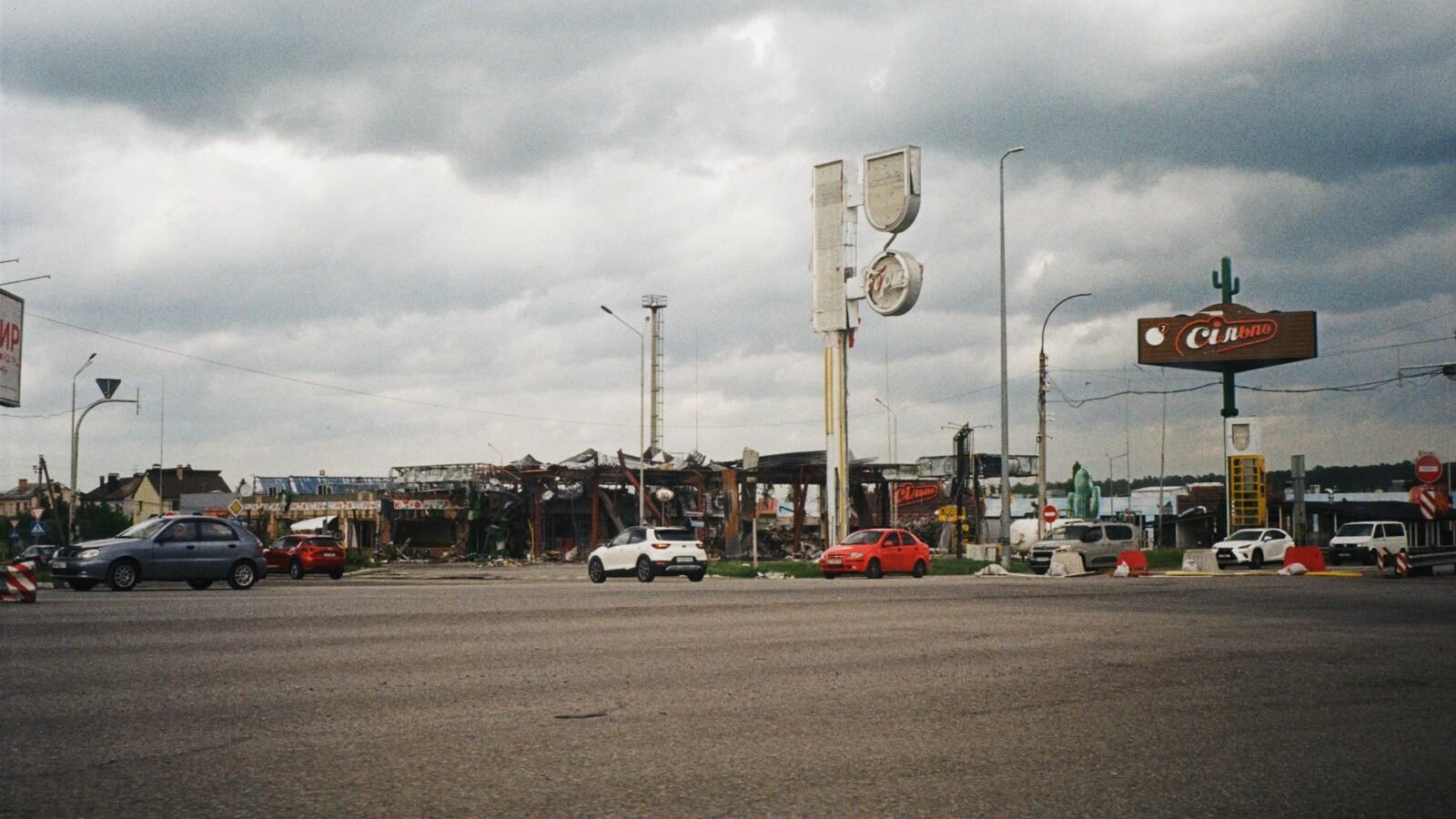
Kyiv experienced a 'massive attack' overnight, resulting in at least 17 fatalities and significant disruption to critical infrastructure. Mayor Vitali Klitschko explicitly stated that Russia 'purposefully' targeted these vital assets, leading to the interruption of hot water supplies. This event marks a continuation of a pattern observed in recent months, where Russian forces have increasingly focused on non-military targets, particularly energy and utility infrastructure, across Ukraine. The scale and stated intent of these particular strikes, however, amplify the strategic questions surrounding Moscow's objectives.
Why it is contested
The interpretation of these strikes is sharply divided between those who see them as a deliberate escalation designed to achieve specific strategic aims, and those who view them as a compensatory measure, reflecting a failure to achieve objectives through conventional military means. The ambiguity lies in discerning whether these attacks are a precursor to a new phase of Russian operations, an attempt to extract concessions, or merely an act of punitive retaliation. Each reading carries different implications for the conflict's trajectory and the efficacy of international responses. The core contestation revolves around whether these actions are signs of strength or weakness on the part of Russia, and what they reveal about the Kremlin's calculus.
The competing narratives
One prominent narrative posits that Russia's targeting of critical infrastructure is a calculated strategy to degrade Ukraine's national resilience, break civilian morale, and undermine its logistical capacity, particularly in anticipation of winter. Proponents of this view argue that by disrupting essential services like heating and water, Moscow aims to create a humanitarian crisis that pressures Kyiv into negotiations on less favourable terms, or to divert military resources towards civilian protection. The strongest objection to this reading is that previous similar campaigns have not demonstrably altered Ukraine's resolve or its military posture, suggesting a potential miscalculation of Ukrainian resilience by Moscow.
Conversely, another interpretation suggests that these infrastructure strikes are a symptom of Russia's inability to achieve decisive breakthroughs on the battlefield. From this perspective, the attacks are a form of 'strategic terrorism,' a coercive tool employed when conventional military operations face significant resistance or stalemate. This narrative contends that Russia is resorting to such tactics out of frustration, aiming to inflict pain rather than secure specific territorial gains, thereby signalling a lack of viable military alternatives. The primary objection to this view is that it might underestimate Russia's capacity for sustained, large-scale campaigns against infrastructure, and could dismiss the potential for such attrition to eventually strain Ukraine's defensive capabilities and public support over time, even if immediate military objectives remain elusive.
What to watch next
The immediate focus will be on Ukraine's ability to repair and defend its critical infrastructure against further attacks. The resilience of its air defence systems, and the speed with which essential services can be restored, will provide indicators of the effectiveness of Russia's strategy. Beyond the immediate operational concerns, observers will be watching for any shifts in Russia's rhetoric or troop movements that might signal a broader offensive, or conversely, an increased willingness to engage in substantive diplomatic discussions. The duration and intensity of these infrastructure campaigns will also be key, as a sustained effort would suggest a deeper strategic commitment than sporadic punitive strikes.
The bottom line
The latest strikes on Kyiv's critical infrastructure underscore a fundamental ambiguity in Russia's strategic aims. Are these attacks a sign of a new, more coercive phase in the conflict, intended to force a capitulation through civilian hardship, or do they represent a tactical pivot born of frustration, an attempt to inflict pain where military gains are elusive? The answer will determine whether the world is witnessing the prelude to a renewed offensive or the desperate measures of a protracted stalemate, a distinction that remains opaque until further developments clarify Moscow's true intent and Kyiv's capacity to withstand the pressure.
Source material: BBC News