Panama Canal shipping limits: El Niño’s underestimated global trade impact
Trending Global
Reduced transit capacity in the Panama Canal, prompted by anticipated El Niño conditions, signals a potential disruption to global supply chains beyond immediate regional effects.
What just happened
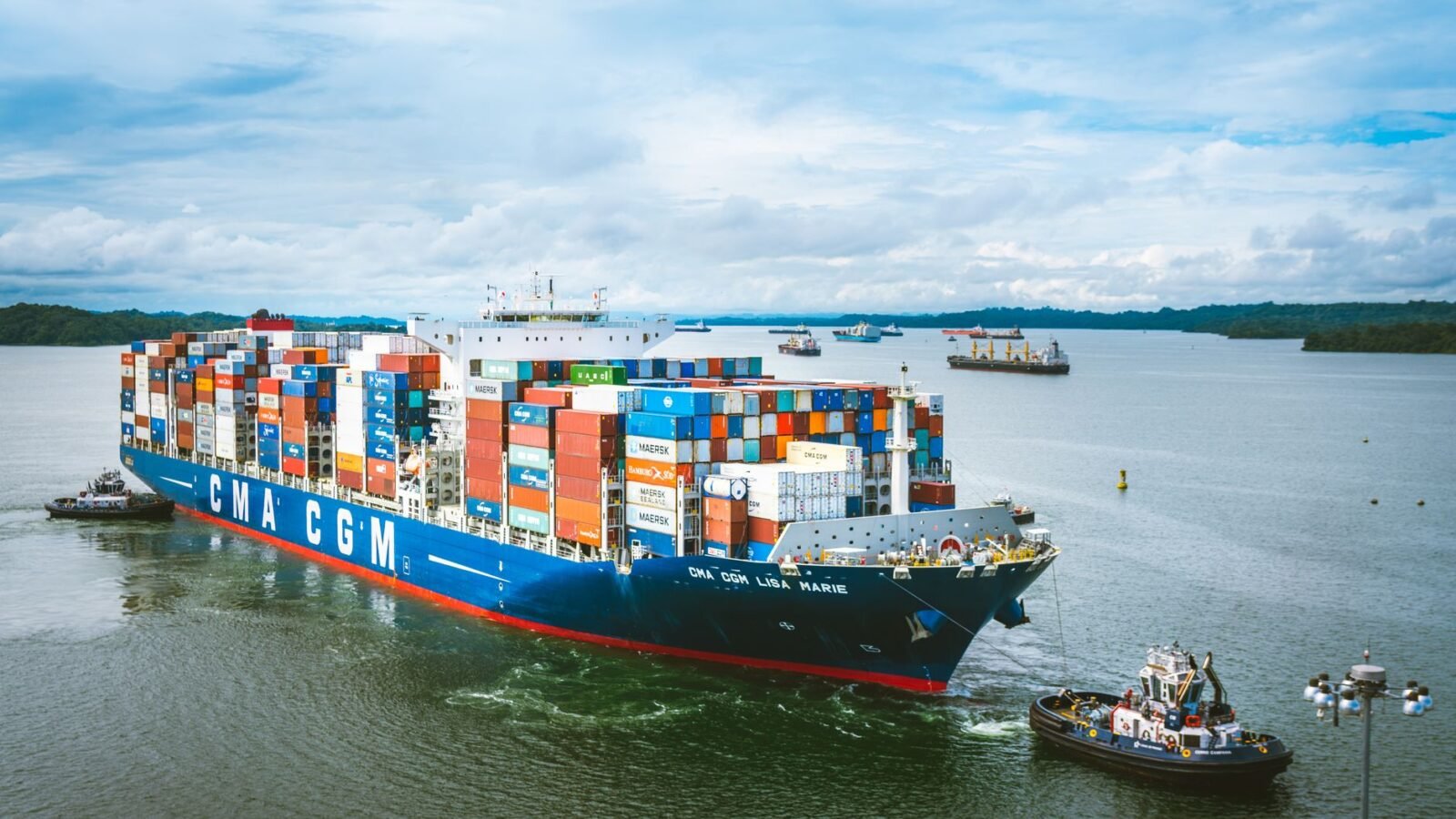
The Panama Canal Authority has announced forthcoming restrictions on shipping transits, citing the anticipated effects of the El Niño weather phenomenon. This meteorological pattern is projected to intensify drought conditions and elevate temperatures across the region, directly impacting the water levels necessary for the Canal's operation. The Canal, a critical artery for global maritime trade, relies on a complex system of locks that necessitate substantial freshwater reserves. Reduced rainfall directly impedes the replenishment of these reservoirs, compelling the Authority to manage vessel traffic more stringently to conserve water.
While the specific nature and duration of the restrictions are yet to be fully detailed, the mere announcement carries significant implications. Any reduction in daily transits or limitations on vessel draught will inevitably lead to increased waiting times, diversions, and higher operational costs for carriers. This development forces a re-evaluation of the Canal's operational resilience in the face of predictable, recurring climate phenomena, posing a direct challenge to the established efficiency of trans-oceanic logistics.
Why it is contested
The decision to limit Panama Canal transits is not inherently contested, given the operational realities of water-dependent lock systems. What remains highly contested, however, is the interpretation of its broader significance: whether this represents a temporary, manageable adjustment to a known climate cycle, or a harbinger of more profound, structural vulnerabilities in global supply chains. The debate centres on the scalability of the disruption and its potential to catalyse long-term shifts in shipping patterns and infrastructure investment.
One perspective views the move as a prudent, if inconvenient, operational measure. El Niño is a recurrent phenomenon; while this instance may be more severe, canal authorities have managed similar challenges before. The global shipping industry is accustomed to adapting to various disruptions, from geopolitical incidents to port strikes. From this viewpoint, the market will absorb the increased costs and adjust schedules, with minimal lasting impact on overall trade flows. The strongest objection to this reading is its potential underestimation of cumulative risk, particularly if climate phenomena become more extreme or frequent, pushing critical infrastructure past its adaptive capacity.
The competing narratives
Two principal narratives contend for dominance in interpreting the Canal's new restrictions. The first posits that this is primarily a logistical challenge, albeit a significant one, which the global shipping industry is equipped to navigate. Adherents to this view highlight the flexibility of modern logistics, including rerouting via the Suez Canal or around Cape Horn, albeit at higher cost and longer transit times. They argue that while individual shipments may face delays and increased expenses, the aggregate impact on global trade volumes will be marginal and temporary, with market mechanisms eventually normalising prices. The strongest objection to this narrative is its potential to overlook the ripple effects: increased fuel consumption from longer routes exacerbates environmental impact, while extended transit times strain inventory management and can disrupt just-in-time supply chains, potentially affecting consumer prices and manufacturing schedules far from the Canal itself.
The second narrative casts the Canal's decision as a critical indicator of climate change's accelerating impact on essential global infrastructure. Proponents of this view argue that while El Niño is natural, its severity and the Canal's response underscore a growing systemic risk. They suggest that such disruptions will become more frequent and intense, necessitating fundamental changes to global supply chain design, including greater diversification of routes, investment in alternative transport corridors, and enhanced climate resilience for existing chokepoints. The strongest objection here is that it might overstate the immediate crisis, conflating a cyclical weather event with irreversible climate degradation, potentially leading to premature or overzealous investment decisions based on worst-case scenarios rather than balanced risk assessment.
What to watch next
The immediate focus will be on the specifics of the Canal Authority's restrictions: the number of daily transits permitted, the maximum draught for vessels, and the duration of these measures. Shippers will be scrutinising booking slots and assessing the economic viability of alternative routes. Beyond the operational details, attention will shift to how major container lines and bulk carriers adjust their schedules and pricing. Any significant divergence in strategies or noticeable price spikes for specific commodities could signal a deeper market reaction.
In the longer term, the observed severity of the El Niño phenomenon and its actual impact on rainfall in the Canal's watershed will be crucial. Should the drought prove more protracted or intense than anticipated, it would lend considerable weight to the narrative of structural vulnerability. Conversely, a swift return to normal operations and minimal sustained market disruption would bolster arguments for the industry's adaptive capacity. The broader question remains how this event influences future infrastructure planning and investment in climate resilience for other critical global arteries.
The bottom line
The Panama Canal's decision to limit shipping capacity in anticipation of El Niño is more than a mere operational adjustment; it serves as a live stress test for the resilience of global supply chains against climate-induced disruptions. While the immediate economic consequences are still unfolding, the event has crystallised a fundamental debate: are these isolated, manageable incidents, or early warnings of a more turbulent future for international trade? The answer will shape not only shipping routes and logistics strategies but also the calculus for global infrastructure investment in an era of increasing climate volatility.
What degree of disruption will it take for the prevailing narrative to shift from 'business as usual with adjustments' to 'fundamental re-evaluation of global trade architecture'?
Source material: Al Jazeera – Breaking News, World News and Video from Al Jazeera