Panama Canal Drought: A Test Case for Global Trade Resilience
Trending Global
The Panama Canal’s unprecedented transit restrictions, driven by drought, force a re-evaluation of critical chokepoints and their susceptibility to environmental shifts.
What just happened
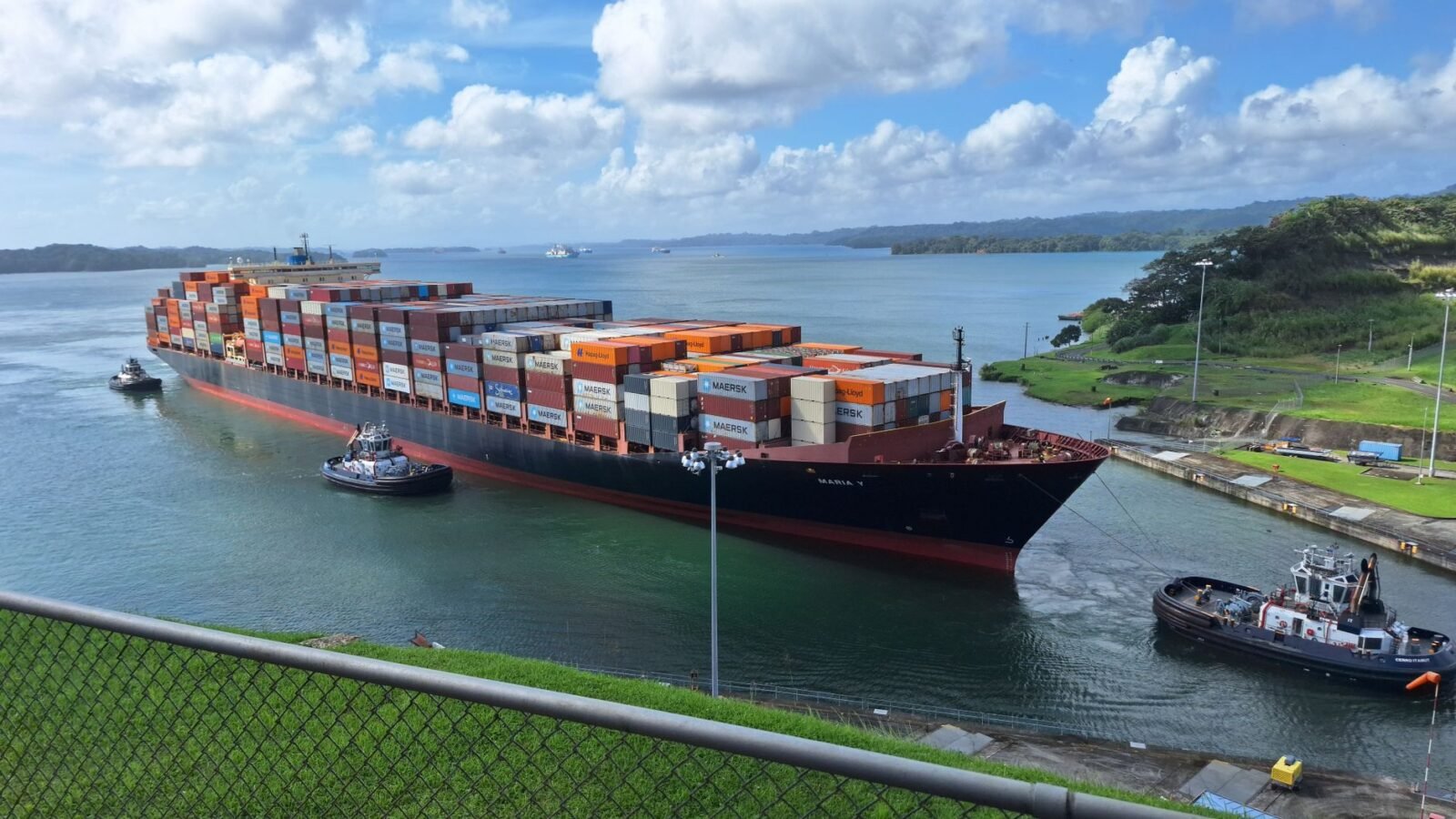
The Panama Canal Authority has implemented a phased reduction in daily vessel transits, a direct consequence of diminished rainfall attributed to the prevailing El Niño weather phenomenon. This measure, unprecedented in its scope and duration for a waterway of such strategic importance, is designed to conserve water levels in the Gatun Lake, which supplies the locks necessary for transit operations. The decision effectively limits the number of ships that can pass between the Atlantic and Pacific oceans, compelling shipping lines to either seek alternative, often longer and costlier, routes or to compete for fewer available slots, likely at significantly elevated prices.
Why it is contested
The primary contention surrounding the Canal's restrictions is not the fact of the drought, but its interpretation: is this an exceptional, cyclical event that will recede with El Niño, or does it signal a more fundamental and persistent vulnerability in global logistics infrastructure? This distinction holds profound implications for long-term investment, route planning, and the broader resilience of international trade. While El Niño is a known, recurring climate pattern, the severity of its impact on the Canal's operations this year has prompted a re-examination of the waterway's operational limits and its exposure to environmental variability. The question is not merely one of weather, but of systemic risk and the extent to which critical global chokepoints are engineered for future climate realities.
The competing narratives
One prevailing narrative posits that the current restrictions are an acute, albeit severe, manifestation of a cyclical climate event. Proponents of this view argue that El Niño has historically influenced rainfall patterns in the region, and while this iteration is particularly impactful, it remains within the bounds of natural variability. They suggest that shipping lines, having navigated similar, if less intense, disruptions previously, will adapt through temporary rerouting or by absorbing increased transit costs. The strongest objection to this reading is that it may underestimate the cumulative effect of such 'cyclical' events, particularly if they increase in frequency or intensity, rendering the distinction between 'cyclical' and 'structural' increasingly tenuous. The scale of the current cuts suggests a stress point beyond routine contingency planning.
A counter-narrative contends that this event serves as a stark warning of a more enduring structural challenge. Under this interpretation, the Canal's operational limitations, exacerbated by El Niño, expose a fundamental vulnerability to climate change, irrespective of whether the immediate cause is a 'natural cycle.' This perspective suggests that reliance on a single, water-intensive transit mechanism in a climate-sensitive region is inherently risky and will necessitate long-term strategic adjustments, such as accelerated investment in alternative trade routes or substantial upgrades to the Canal's water management infrastructure. The most significant objection to this argument is that it risks overstating the immediate crisis, potentially leading to disproportionate and costly overreactions based on what could still prove to be a temporary aberration rather than a definitive trend. The global shipping industry has demonstrated considerable adaptability, and it is not yet certain that the current situation constitutes an irreversible paradigm shift.
What to watch next
The immediate focus will be on the duration and severity of the El Niño pattern and its effect on rainfall in the Canal watershed. Beyond that, observing the responses of major shipping conglomerates will be critical: are they implementing temporary rerouting strategies, or are they signalling more permanent shifts in their logistical networks? The pricing of transit slots and the premiums paid will indicate the market's assessment of the scarcity. Finally, any public statements from the Panama Canal Authority regarding long-term water management plans or potential infrastructure investments will be a key indicator of whether this event is being treated as an anomaly or a catalyst for strategic change.
The bottom line
The Panama Canal's transit restrictions underscore the precarious balance between global trade efficiency and environmental vulnerability. The core question remains whether this disruption is a temporary operational challenge for shipping, or if it represents an early, tangible signal that critical global infrastructure is reaching its environmental limits, demanding a fundamental reassessment of supply chain resilience in an era of increasing climate variability.
Source material: BBC News