Carrier deployments expose US naval force posture dilemmas
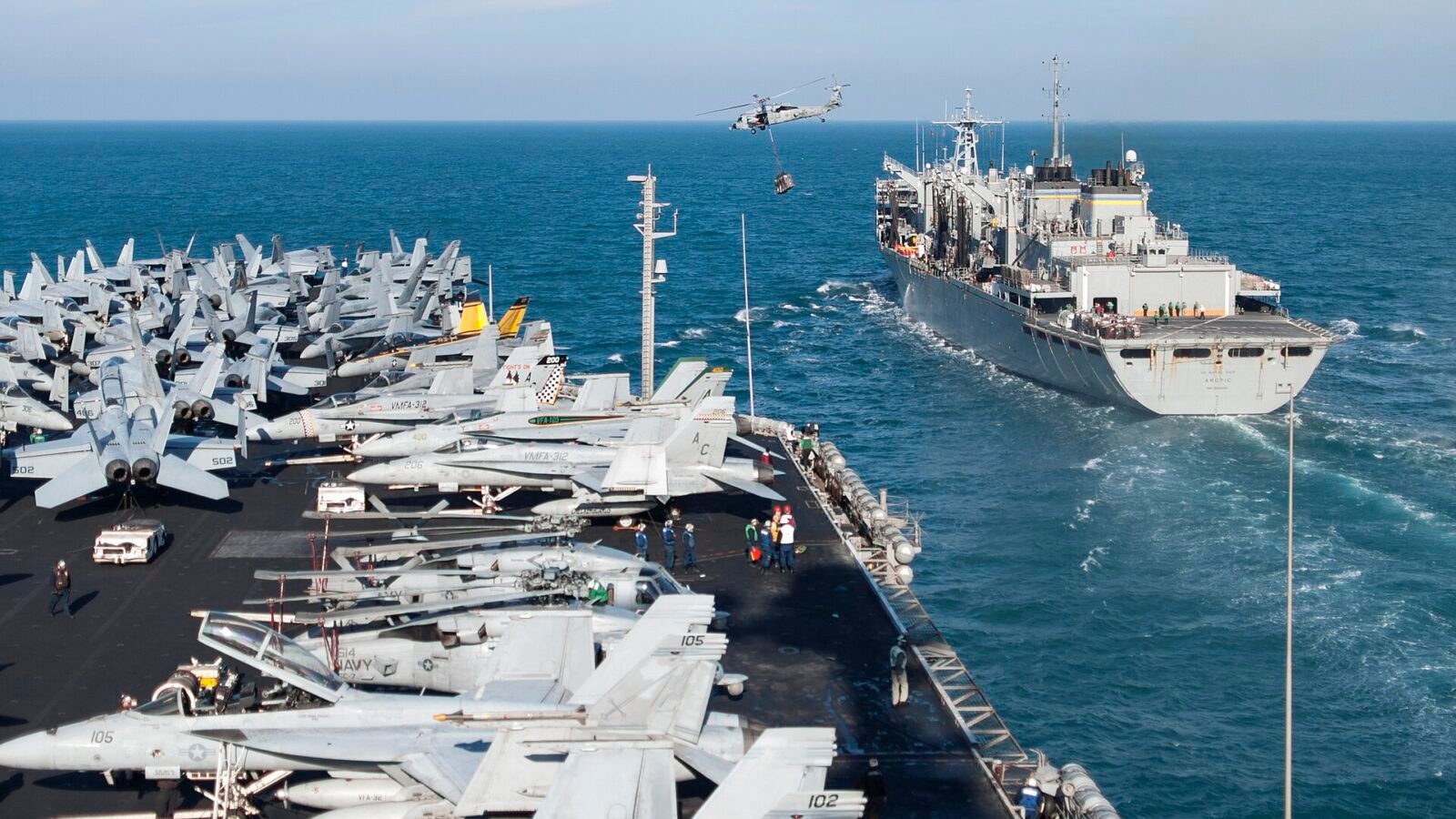
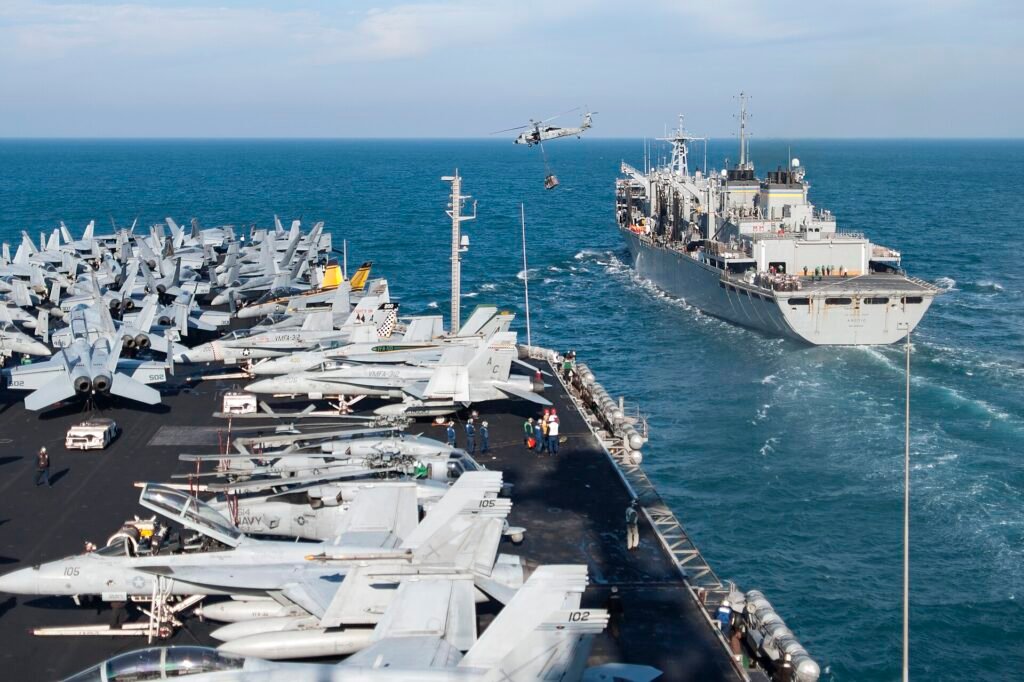
MC3 Karl Anderson/U.S. Navy · Wikimedia · Public domain
Predictive Analysis
The simultaneous deployment of two US carrier strike groups to the Middle East signals a critical inflection point for naval strategy and global power projection.
The signal
The deployment of two US Navy carrier strike groups to the Middle East is a clear and unambiguous signal of intent. Such a concentration of naval power, representing a substantial portion of the active carrier fleet, is not merely a deterrent posture; it is a declaration of strategic priority. The immediate implication is that the region has escalated to a level where the highest tier of conventional force projection is deemed necessary. This decision effectively draws a line, indicating the perceived criticality of interests at stake and the willingness to commit significant resources to their defence. It also communicates a message of resolve, aiming to influence the calculations of both allies and adversaries within the theatre.
However, the signal extends beyond immediate regional dynamics. For Washington, it underscores the ongoing challenge of balancing global commitments with finite resources. The very act of concentrating such assets in one theatre inevitably creates a vacuum, or at least a perception of reduced capacity, elsewhere. This is not simply a matter of presence but of the readiness and sustainability that underpin it. The deployment thus serves as a public demonstration of a strategic choice, one that implicitly prioritises certain contingencies over others, and one that will be scrutinised by other major powers assessing the agility and bandwidth of US military power.
The mechanism
The mechanism behind such a deployment involves a complex interplay of operational logistics, political signalling, and strategic resource allocation. Each carrier strike group is a self-contained fighting unit, requiring extensive logistical support, maintenance, and personnel rotation. Sustaining two such groups in close proximity, potentially for an extended duration, places considerable strain on the entire naval ecosystem. This includes not only the immediate supply chain for fuel, ordnance, and provisions but also the broader infrastructure for repair, personnel welfare, and forward command and control.
From a strategic perspective, the mechanism is one of 'presence as persuasion'. The sheer scale of firepower represented by two carrier groups projects an overwhelming capability designed to deter aggression or compel compliance without necessarily engaging in direct conflict. Yet, the cost of this persuasion is significant. Every hull, every aircraft, and every sailor committed to this mission is unavailable for other contingencies. This creates a strategic opportunity cost, forcing a re-evaluation of potential threats in other regions that might otherwise have received similar levels of attention or resource allocation. The decision to commit these assets, therefore, is not merely operational; it is a high-stakes strategic gamble on where the most pressing threats currently lie, and where the next one will emerge.
Who gains and who is exposed
The primary beneficiaries of this concentration of force are those regional allies whose security interests align with the US posture. The enhanced presence provides a tangible demonstration of commitment, potentially deterring proximate threats and reassuring partners. It also offers a heightened capacity for crisis response, should direct intervention become necessary. From Washington's perspective, the immediate gain is the reinforcement of its strategic leverage in a critical region, aiming to stabilise a volatile environment and protect key interests.
Conversely, the exposure is multifaceted. The most immediate exposure is to the US Navy itself, which must now manage the operational tempo, maintenance cycles, and personnel fatigue associated with sustaining such a high-intensity deployment. This inevitably accelerates wear and tear on assets and personnel. More critically, the deployment exposes the broader US defence posture to questions of global overstretch. The decision to concentrate forces in one theatre necessarily thins out capabilities elsewhere, potentially inviting challenges in areas previously covered by a more dispersed presence. Competitor powers will undoubtedly be analysing this resource allocation for vulnerabilities, assessing where the US may be less able to project power or respond decisively. This creates a strategic dilemma: the act of projecting strength in one area simultaneously highlights potential weakness in another, forcing a re-evaluation of global force distribution and the industrial capacity required to sustain it.
Leading indicators to track
To assess the implications of this deployment, several leading indicators warrant close observation. Firstly, the duration and intensity of the deployment will be critical. A rapid redeployment would suggest a transient crisis response, whereas a prolonged presence would indicate a deeper, more enduring strategic shift. Secondly, monitor the rhetoric and actions of other major powers, particularly China and Russia, regarding their naval deployments or strategic signalling in other regions. Any opportunistic shifts in their force posture could indicate a perception of US strategic distraction.
Thirdly, track US defence budget allocations and procurement cycles for naval assets. A sustained need for high-tempo operations could accelerate demands for new shipbuilding or maintenance funding, revealing the long-term strain. Finally, observe the diplomatic engagement surrounding regional security architectures. Any efforts to offload security responsibilities to regional partners, or conversely, to solidify long-term US commitments, will provide insight into the anticipated longevity and strategic purpose of this concentrated force posture.
The twelve-month forecast
Over the next twelve months, the dual carrier deployment is likely to remain a central feature of US strategy in the Middle East, albeit with potential adjustments in tempo and composition. The underlying geopolitical dynamics that necessitated this concentration of force are unlikely to dissipate quickly, suggesting a sustained need for a robust presence. However, the operational costs and strategic opportunity costs will continue to mount, prompting internal debates within the Pentagon and Congress regarding long-term sustainability.
The critical question will be whether this deployment marks a temporary surge in response to a specific crisis, or if it signals a more fundamental recalibration of US global force posture, with the Middle East reclaiming a higher, more permanent priority in naval planning. The answer will have profound implications for allied security assurances in other theatres and for the strategic calculations of revisionist powers assessing the limits of American power projection.
Scenario matrix
| Scenario | Probability | Confirming trigger |
|---|---|---|
| Sustained high-tempo presence, leading to accelerated wear on assets. | 55% | Public announcements of extended deployment durations or rotations with comparable assets, coupled with increased naval maintenance budget requests. |
| Phased reduction of forces, with one carrier group eventually redeploying to another theatre. | 30% | Visible redeployment of one carrier group to the Pacific or European theatre without immediate replacement, accompanied by a shift in diplomatic messaging towards regional burden-sharing. |
| Escalation of regional tensions requiring further naval augmentation or direct engagement. | 15% | Any direct naval confrontation or a significant increase in maritime incidents involving state or non-state actors in the region. |
Probabilities are estimates, not certainties. They are published so the forecast can be scored later.
Source material: Al Jazeera – Breaking News, World News and Video from Al Jazeera