US-China Sanctions Rift: Unpacking the Limits of Economic Coercion
Trending Global
The latest US sanctions expansion against Iran, targeting its oil trade, forces a direct confrontation with China's economic interests and strategic autonomy.
What just happened
The United States has recently broadened its sanctions against Iran, issuing explicit warnings of isolation to any nation continuing significant commercial engagement with Tehran. This expansion targets Iran's primary revenue streams, particularly its oil exports. While the pronouncement is ostensibly directed at Iran, its practical implications extend directly to China, which remains a principal purchaser of Iranian crude oil.
This escalation is not merely an incremental tightening of existing measures; it represents a more direct challenge to the economic sovereignty of states maintaining trade relations with Iran. The language employed by Washington suggests a reduced tolerance for circumvention, compelling a clearer delineation of economic allegiances. For Beijing, this translates into a direct policy dilemma, forcing a choice between its established energy supply chains and the potential repercussions of US economic isolation.
Why it is contested
The contestation arises from the extraterritorial application of US law and the limits of economic coercion when applied to a major global power. The effectiveness of sanctions hinges on the willingness of third parties to comply, often out of fear of losing access to the US financial system or market. However, China's economic scale and its pursuit of de-dollarisation strategies present a significant counter-narrative to this traditional leverage.
Beijing has stated its intention to 'safeguard its interests,' a phrase that can encompass a range of responses from diplomatic protest to active measures to circumvent sanctions. The core question is whether the US can genuinely 'isolate' a nation of China's economic heft without incurring prohibitive costs to its own geopolitical standing or the stability of global trade. The implicit threat to China challenges not only its economic ties but also its perception of national sovereignty and the right to conduct independent foreign policy.
The competing narratives
One prevailing interpretation posits that the US is demonstrating resolve, signalling that its sanctions regime against Iran is non-negotiable and that even major economic partners will be pressured to comply. Proponents of this view argue that the integrity of the sanctions architecture depends on its universal application, and any perceived weakness in enforcing compliance, particularly with a major oil consumer, would undermine its efficacy. The strongest objection to this reading is that it may overestimate the capacity of the US to enforce such measures without provoking a significant and potentially damaging counter-response from China, which possesses considerable economic and diplomatic instruments to resist.
A competing narrative suggests that this move is primarily a symbolic gesture or a maximalist opening position, designed to extract concessions rather than to achieve full Chinese compliance. Under this interpretation, Washington understands the impracticality of completely severing China's energy ties with Iran and instead seeks to increase the cost of that trade, perhaps leading to reduced volumes or more opaque payment mechanisms. The primary objection here is that such an outcome would represent a partial failure of the sanctions, creating a precedent for major powers to selectively defy US economic pressure, thereby eroding the long-term credibility of such tools.
What to watch next
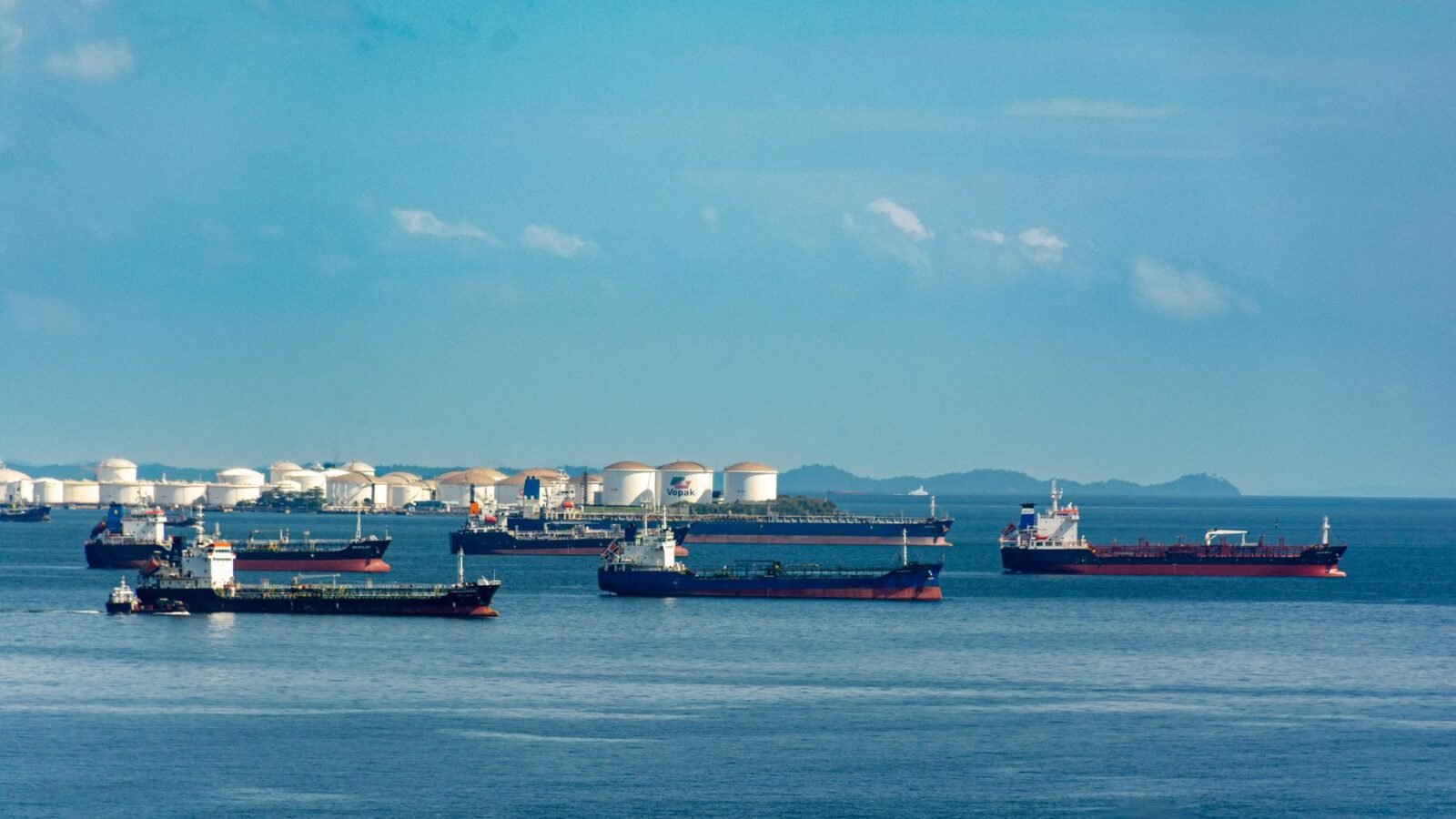
The immediate indicators to monitor include any public statements from China detailing specific counter-measures or official responses, beyond general assertions of safeguarding interests. Scrutiny will also fall on observable shifts in crude oil tanker traffic between Iran and China, as well as any reported changes in payment mechanisms or currency used for these transactions. The reaction of other significant Iranian oil importers, if any, will also provide insight into the perceived enforceability of these expanded sanctions. Furthermore, the diplomatic channels between Washington and Beijing will be critical; whether this issue becomes a standalone point of contention or is folded into broader US-China strategic dialogues will reveal much about its long-term trajectory.
The bottom line
The US expansion of sanctions against Iran, directly implicating China, forces a critical test of global economic governance. Can Washington compel a major economic power to alter its strategic energy procurement, or will this move accelerate efforts by Beijing and others to insulate themselves from US financial leverage? The outcome will not merely determine the future of Iran's oil trade, but will offer a profound insight into the evolving balance of economic power and the enduring efficacy of extraterritorial sanctions in a multipolar world.
Source material: BBC News