Mecca Clock Tower Lightning Strike: Omen or Meteorological Anomaly?
Trending Global
A lightning strike on Mecca's iconic clock tower has ignited a debate between those seeing a profound spiritual message and those asserting a purely scientific explanation.
What just happened
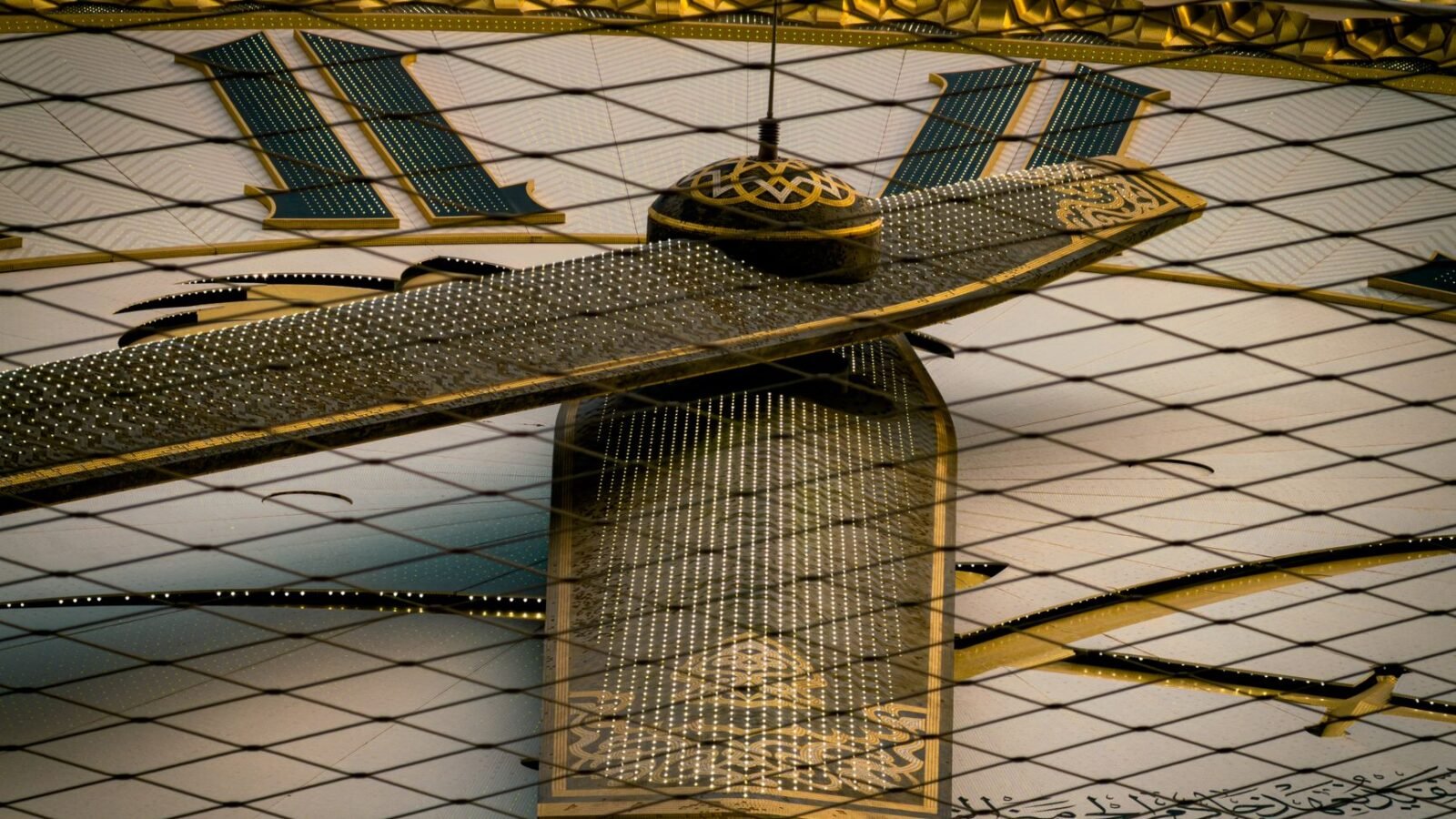
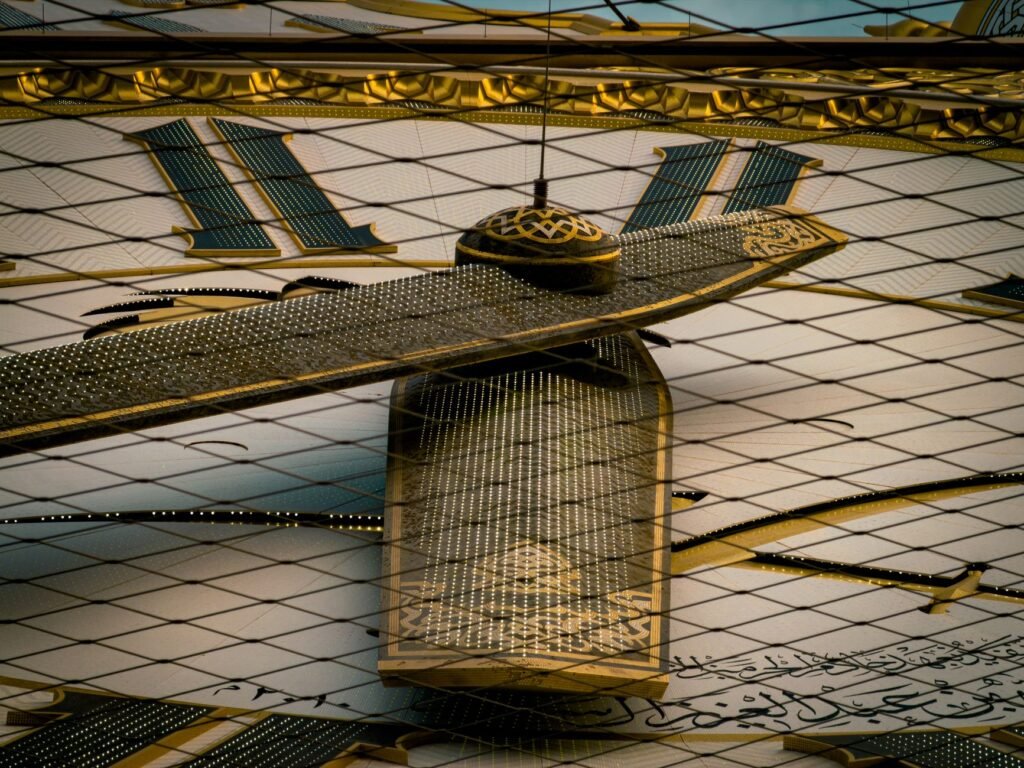
The Abraj Al-Bait Clock Tower, a prominent landmark in Mecca, was struck by lightning during a recent storm. The event, captured in widely circulated imagery and video, showed a visible flash illuminating the structure. This incident occurred amidst a period of inclement weather in the region, characterised by thunderstorms and heavy rainfall.
The tower, known for housing the world's largest clock face, stands as a significant architectural and symbolic presence within the Islamic holy city. Its sheer scale and proximity to the Grand Mosque amplify the resonance of any incident involving it, particularly within a cultural context where natural occurrences can carry profound symbolic weight.
Why it is contested
The contestation surrounding the lightning strike does not revolve around the fact of the event itself, which is visually documented. Instead, it centres on its interpretation. Was this a mere act of nature, a high-profile example of a predictable meteorological phenomenon impacting a tall structure, or does it carry a deeper, perhaps divine, significance? The very public nature of the strike, coupled with the tower's religious prominence, has ensured that these competing readings are not confined to academic or theological discourse but have become a subject of widespread public discussion.
The tension arises from the differing epistemologies at play. One perspective seeks meaning and message in such events, viewing them as potential signs or warnings. The other prioritises empirical observation and scientific explanation, positing that all natural phenomena, however dramatic, ultimately conform to physical laws and are devoid of inherent spiritual intent.
The competing narratives
One dominant narrative interprets the lightning strike as a potential divine omen or warning. Adherents to this view often cite religious texts and traditions that associate significant natural events with divine communication or portents of future occurrences. The specific target — a modern, imposing structure in the heart of Islam's holiest city — lends itself to readings of symbolic chastisement or a call to reflection. The strongest objection to this interpretation is its inherent unfalsifiability; without a clear, universally accepted interpretive framework, any specific meaning attributed to the event remains subjective and open to endless, contradictory interpretations. It risks projecting human anxieties or desires onto natural occurrences.
Conversely, a second narrative firmly categorises the strike as a purely natural phenomenon. From this perspective, tall structures, particularly those in areas prone to thunderstorms, are statistically more likely to be struck by lightning. The Abraj Al-Bait Clock Tower, being one of the tallest buildings in the world and equipped with lightning protection systems, would be expected to experience such an event occasionally. This reading emphasises meteorological science, electrical physics, and probability. The primary objection here is that while scientifically sound, it risks dismissing the deeply held cultural and spiritual significance that such events can hold for a vast population, effectively de-legitimising a pervasive mode of understanding the world. It provides an explanation but may fail to address the human need for meaning.
What to watch next
The immediate aftermath of the lightning strike saw a proliferation of discussions across social media and religious forums. What remains to be seen is whether this incident will be integrated into broader theological discourse or if it will recede as a one-off natural event. Will religious authorities offer specific interpretations, or will they maintain a more neutral stance, allowing individual contemplation? The framing of similar future events, particularly those impacting significant religious sites, will indicate whether this incident has set a precedent for heightened interpretive scrutiny or if it will be remembered primarily as a dramatic weather occurrence.
The bottom line
The lightning strike on the Mecca Clock Tower serves as a vivid illustration of the enduring tension between empirical explanation and spiritual interpretation in understanding the world. While science offers a robust framework for explaining the mechanics of such events, it often leaves unanswered the human quest for meaning. The question remains whether societies can hold both understandings in dynamic tension, or if one must inevitably yield to the other in the public consciousness.
Source material: Al Jazeera – Breaking News, World News and Video from Al Jazeera