Cameroon Femicides: Beyond Outrage, a Crisis of State Legitimacy
Trending Global
A recent surge in femicides in Cameroon has ignited public outrage, exposing deeper tensions regarding state accountability and societal norms.
What just happened
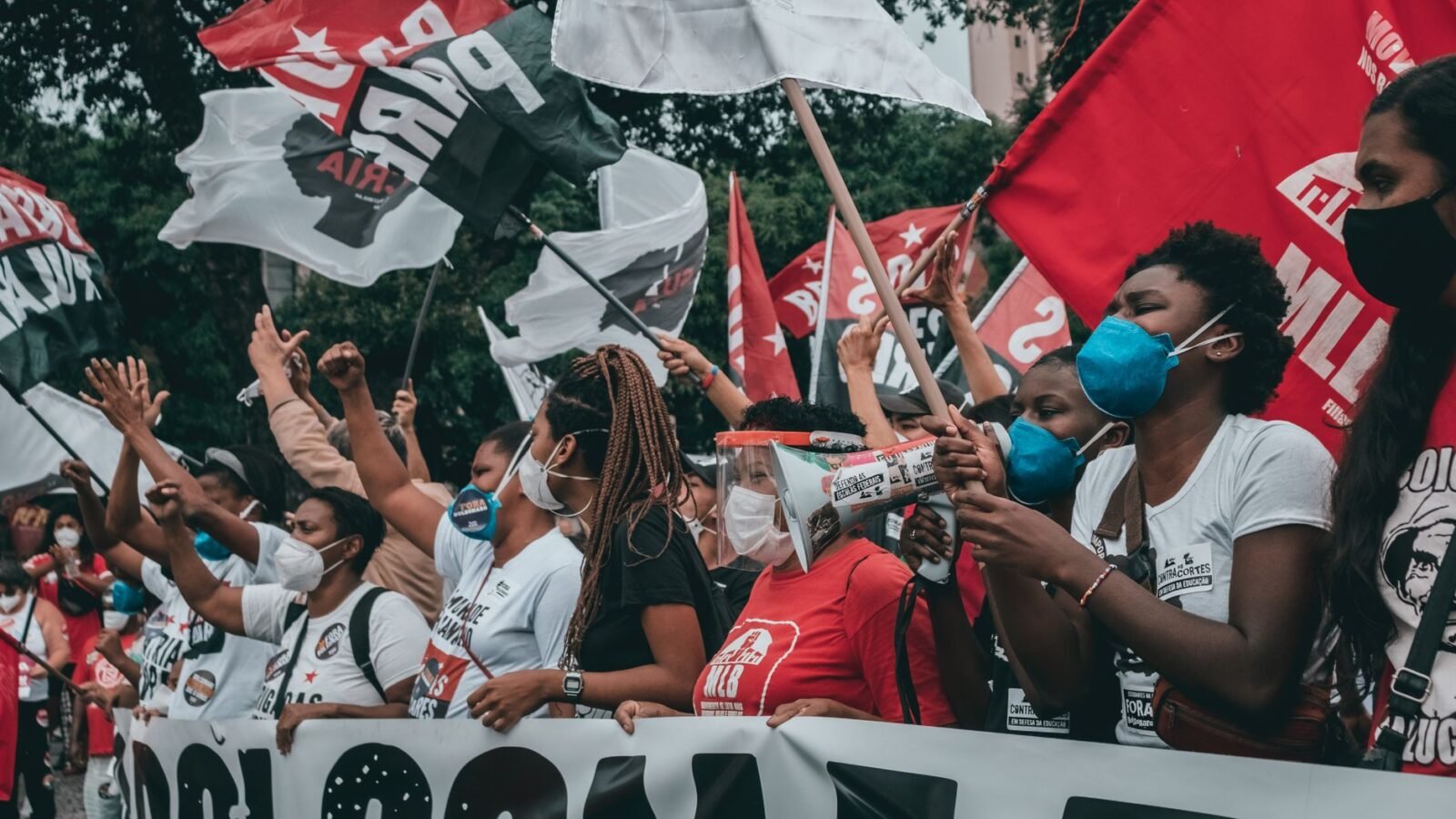
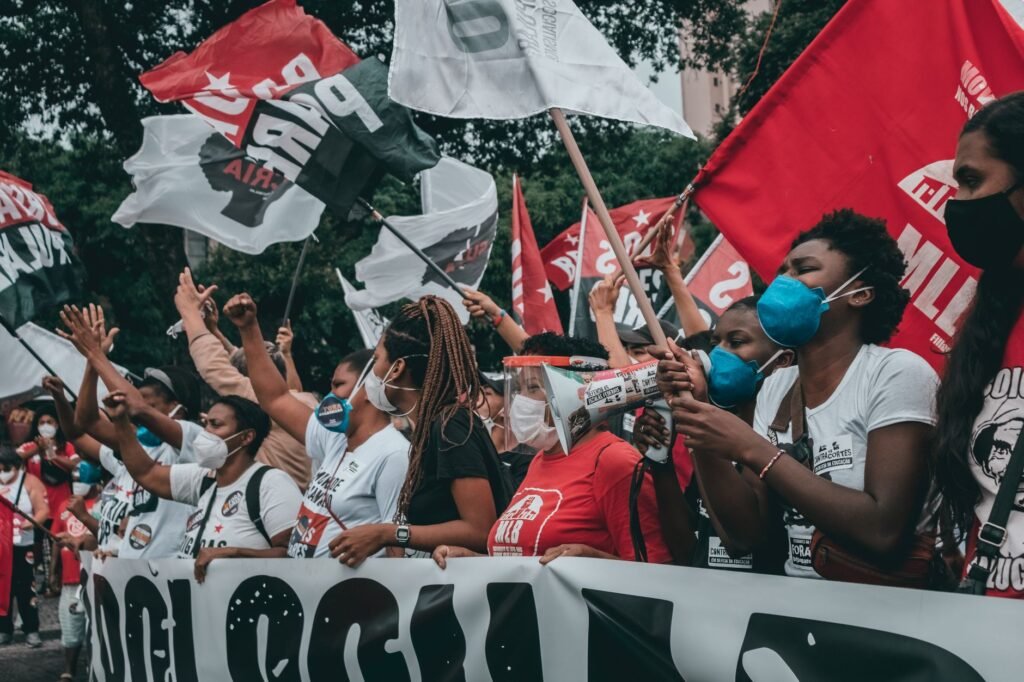
In a distressing and rapid succession, at least eight women were killed in Cameroon over a single week, precipitating a national outcry. This concentrated series of violent acts against women has galvanised public sentiment, drawing sharp condemnation from within the country and resonating internationally. The outrage was notably amplified by a leading Cameroonian footballer, whose public statement, framing 'silence as complicity', served to elevate the issue from a domestic tragedy to a matter of global awareness and accountability. While the specific details surrounding each individual case remain subject to ongoing investigation, the collective impact has been to force a critical examination of the underlying conditions that permit such violence to proliferate.
Why it is contested
The interpretation of these events extends beyond simple condemnation, touching on fundamental questions of governance, societal structure, and the role of the state. The immediate consensus is one of profound grief and anger, yet the deeper meaning of the crisis is vigorously contested. Is this a sporadic, albeit tragic, spike in criminal activity, or does it represent the visible symptom of a more systemic breakdown in social order and state authority? The public discourse oscillates between attributing blame to a perceived failure of law enforcement to prevent such crimes and a more profound indictment of deeply ingrained societal attitudes towards women. The very act of a prominent public figure intervening underscores a sense that official channels have been insufficient, inviting a broader challenge to the state's legitimacy and its capacity to ensure basic security for all its citizens.
The competing narratives
Two dominant narratives contend for explanatory power. The first posits that the surge in femicides is primarily a failure of the state's protective apparatus. Proponents of this view argue that inadequate policing, a sluggish judiciary, and insufficient victim support mechanisms have created an environment where perpetrators act with perceived impunity. The strongest objection to this interpretation is that it risks oversimplifying the issue by reducing it solely to executive action, potentially overlooking the complex socio-economic factors that contribute to violence. It also implies that a simple increase in state capacity would resolve the problem, which may not address underlying cultural drivers.
The second narrative contends that these killings are symptomatic of a deeper, pervasive misogyny within Cameroonian society, one that tolerates or even normalises violence against women. This perspective suggests that the problem transcends mere law enforcement and requires a fundamental cultural shift, challenging traditional gender roles and power imbalances. The strongest objection here is that while cultural factors are undoubtedly significant, this narrative risks absolving the state of its primary responsibility to protect its citizens and enforce the rule of law. Attributing the issue solely to culture can also lead to a fatalistic view that change is too slow or impossible, diverting attention from immediate policy interventions that could save lives.
What to watch next
The immediate future will reveal much about the state's response to this crisis. Key indicators to monitor include the speed and transparency of investigations into the recent killings, the prosecution rates of alleged perpetrators, and any legislative or policy initiatives aimed at strengthening protections for women. Beyond official action, the trajectory of public mobilisation will be critical; whether the initial outrage translates into sustained advocacy and organised pressure groups, or if it dissipates without meaningful structural change. The role of civil society and international bodies in maintaining scrutiny will also shape the discourse. A test of the state's resolve will be its willingness to engage with, rather than merely respond to, the critiques emerging from within its own borders and from the international community.
The bottom line
The recent femicides in Cameroon are more than a tragic crime wave; they constitute a profound challenge to the social contract between the state and its citizens. Whether the government responds with robust law enforcement and genuine societal reform, or if the initial outrage fades without systemic change, will define not only the future security of women in Cameroon but also the perceived legitimacy and effectiveness of the state itself. What will it take for the state to acknowledge the crisis as a structural failure rather than isolated incidents, and what would such an acknowledgement demand of its institutional priorities?
Source material: BBC News