Himalayan Glacier Collapse: A Precedent for Transboundary Catastrophe Response
Predictive Analysis
The recent glacier lake outburst flood on the China-Nepal border reveals the acute geopolitical and logistical complexities of managing climate-driven disasters.
The signal
The recent catastrophic flooding, originating from a glacier lake straddling the China-Nepal border, is more than an isolated natural disaster; it serves as a stark signal of escalating climate-driven risks in the Himalayan region. With a confirmed death toll exceeding 600 and nearly 3,000 individuals still unaccounted for, the human cost is immense. While the immediate threat from the lake's breach has reportedly subsided, as satellite imagery indicates a gradual reduction in its water volume, the event itself reveals a profound systemic vulnerability. This is not merely about a single glacier but about the accelerated melting and instability of the broader Himalayan cryosphere, a phenomenon with far-reaching implications for downstream populations and regional geopolitical dynamics. The question is not whether similar events will recur, but when and with what level of preparedness.
The initial response, characterised by frantic search and rescue efforts in Nepal and Chinese authorities monitoring the lake from their side, underscores a critical deficiency: the absence of a robust, pre-agreed transboundary mechanism for assessing and responding to such hydrological threats. The rapid escalation of the crisis, from a localised incident to a regional catastrophe, demands a re-evaluation of how environmental risks are understood and managed in a shared ecological zone. The signal is clear: the existing frameworks are insufficient to address the pace and scale of climate-induced changes now manifest in one of the world's most sensitive mountain ranges.
The mechanism
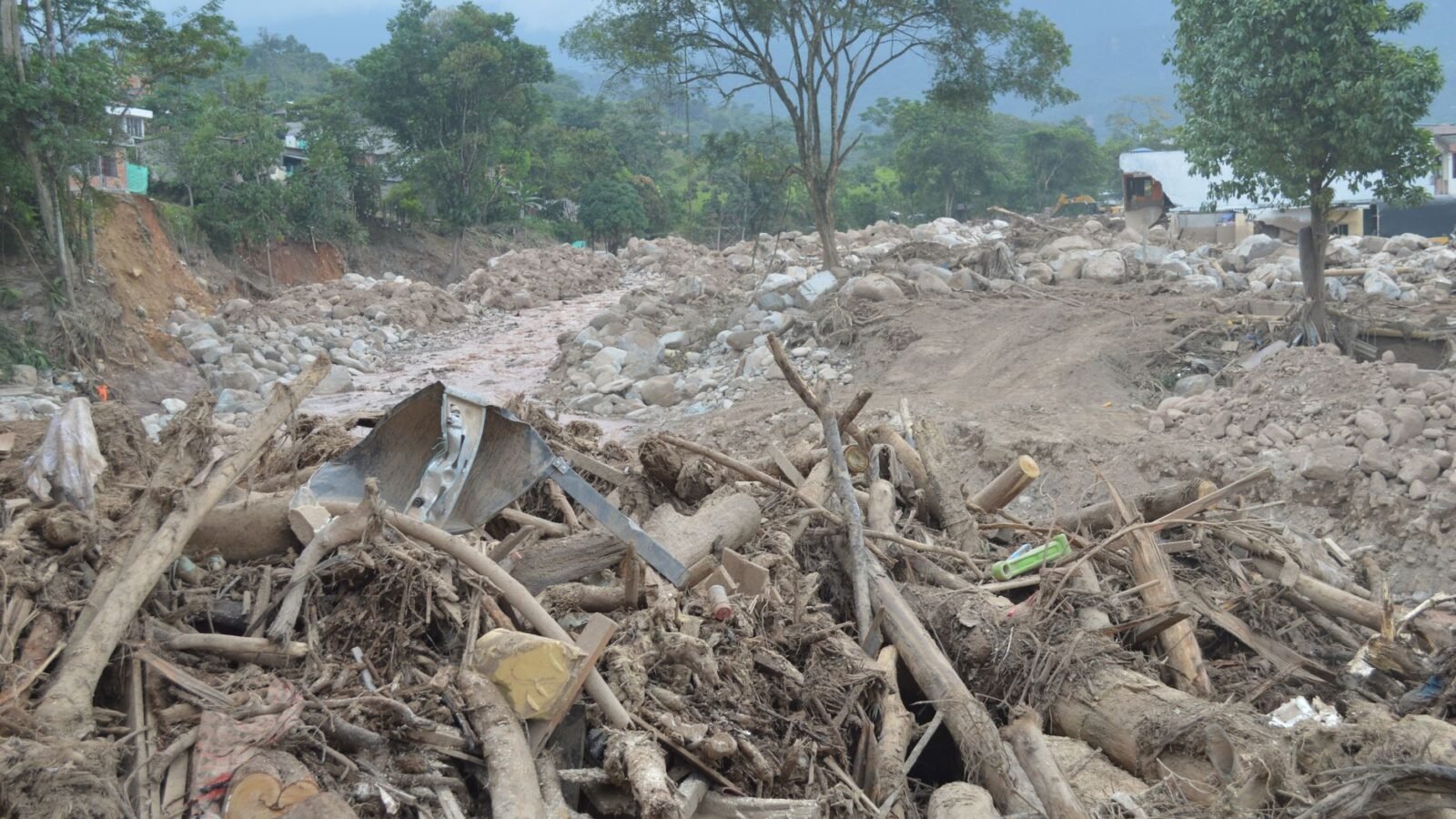
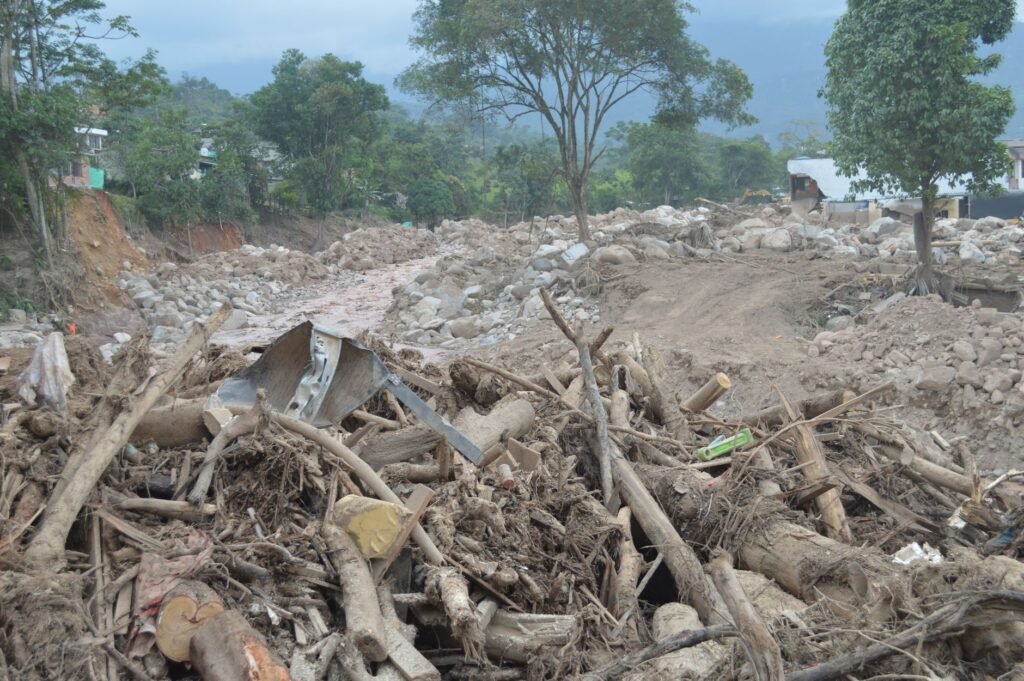
The mechanism behind this disaster is a Glacier Lake Outburst Flood (GLOF), a phenomenon increasingly observed as global temperatures rise. Glaciers, retreating under sustained warming, leave behind depressions that fill with meltwater, often dammed by unstable moraine — unconsolidated glacial debris. These moraine dams are inherently fragile and susceptible to collapse from various triggers, including seismic activity, heavy rainfall, or even the displacement caused by large ice avalanches. Once a dam breaches, the sudden release of vast volumes of water, often carrying sediment and debris, creates a destructive torrent capable of obliterating everything in its path. In this instance, the confluence of two rivers near the China-Nepal border amplified the impact, channelling the floodwaters into populated valleys.
What elevates this GLOF beyond a mere natural event is the transboundary nature of its origin. The lake, and thus the potential failure point, exists on an international border. This geographical reality immediately introduces layers of complexity regarding monitoring responsibility, data sharing, and coordinated emergency response. For such a mechanism to be effectively mitigated, it requires not only advanced scientific monitoring — including satellite surveillance, ground-based sensors, and hydrological modelling — but also a diplomatic framework that facilitates real-time information exchange and pre-planned joint interventions. The absence of such a framework meant that while Chinese authorities could assess the lake's status, the direct impact and immediate rescue efforts fell predominantly on Nepal, highlighting a critical disjunction between the locus of the hazard and the capacity for response.
Who gains and who is exposed
In the immediate aftermath of such a catastrophe, the concept of 'gain' is difficult to apply in a positive sense; rather, it shifts to which actors are best positioned to mitigate losses or leverage the crisis for strategic advantage in future engagements. China, by virtue of its advanced satellite monitoring capabilities and technical expertise, gains a certain soft power currency by being able to provide initial assessments of the lake's stability. This technical capacity positions Beijing as a crucial, if not indispensable, partner in future transboundary environmental monitoring initiatives. Any subsequent agreements on shared early warning systems or disaster response protocols would likely see China as a leading architect, thereby subtly reinforcing its regional influence.
Conversely, Nepal is acutely exposed. Its mountainous terrain, limited infrastructure, and the remoteness of many affected areas render it highly vulnerable to the direct impacts of GLOFs. The current challenges of identifying and storing the dead, coupled with the long-term task of reconstruction, place immense strain on already stretched national resources. Beyond the immediate human and economic toll, Nepal is exposed to the geopolitical implications of relying on external partners for critical disaster intelligence and aid. While international assistance is vital, it also raises questions about national sovereignty in managing environmental crises that originate beyond its direct control but have devastating domestic consequences. The incident also exposes the inadequacy of existing regional mechanisms, such as SAARC, to provide a coherent, multilateral response to shared environmental threats, potentially pushing member states towards bilateral arrangements with more capable partners.
Leading indicators to track
Several leading indicators will be crucial for assessing both the immediate recovery trajectory and the broader geopolitical response to this event. Firstly, the pace and nature of international aid to Nepal will reveal the extent of global recognition of climate-induced migration and displacement. Beyond financial assistance, the provision of technical expertise for long-term monitoring and infrastructure resilience will be a key indicator. Watch for pledges of support from multilateral organisations and major powers, particularly for remote sensing and early warning system development.
Secondly, the tenor and frequency of bilateral discussions between China and Nepal on environmental cooperation will be highly informative. Any formal agreements or joint statements regarding shared hydrological monitoring, data exchange protocols, or coordinated disaster response drills would signal a significant shift from the current ad hoc arrangements. The specific language used in these communiqués — whether it emphasises independent national efforts or a truly integrated transboundary approach — will be critical. Thirdly, observe the internal discourse within Nepal regarding its long-term infrastructure planning. Calls for 'climate-resilient' infrastructure, particularly in hydropower and transportation, will indicate a national strategic pivot. Lastly, monitor the scientific community's engagement with the region. Increased research into glacial stability, GLOF risk mapping, and climate modelling for the Himalayas will precede any effective long-term mitigation strategies and may signal areas for future international collaboration.
The twelve-month forecast
Over the next twelve months, the primary focus will remain on Nepal's recovery and the nascent development of more robust transboundary risk management. The immediate aftermath will be dominated by humanitarian efforts, infrastructure repair, and the difficult process of victim identification and resettlement. This period will inevitably expose the limitations of Nepal's disaster response capacity and its reliance on external support. The political implications within Nepal may include increased public pressure on the government to secure international assistance and to articulate a clear strategy for climate adaptation.
Concurrently, diplomatic channels between Beijing and Kathmandu are likely to intensify. While a comprehensive, legally binding treaty on transboundary hydrological management may be too ambitious within a year, we can expect the announcement of enhanced bilateral cooperation initiatives. These will likely centre on technical assistance from China for remote sensing, satellite data sharing, and potentially joint training exercises for disaster response. The emphasis will be on practical, actionable steps rather than broad declarations. Regional bodies like SAARC may issue statements of concern, but their capacity to orchestrate a unified response will remain constrained, reinforcing the trend towards bilateralism in climate-related security. The broader implication is a growing recognition that climate change is fundamentally reshaping security and governance in the high Himalayas, demanding a new paradigm for international cooperation that moves beyond traditional aid models to integrated environmental security.
Scenario matrix
| Scenario | Probability | Confirming trigger |
|---|---|---|
| Accelerated Bilateral Cooperation: China and Nepal establish a formal, real-time data sharing and early warning system for transboundary glacial hazards, driven by immediate necessity. | 55% | Public announcement of a high-level joint task force or memorandum of understanding between China and Nepal specifically on Himalayan hydrological monitoring and emergency response protocols within six months. |
| Limited, Ad Hoc Response: China provides technical assistance and aid to Nepal, but a comprehensive, institutionalised transboundary framework remains elusive, with responses largely reactive. | 35% | Continued reliance on informal communication channels and one-off aid packages, without the establishment of a permanent joint mechanism or legally binding agreements, beyond twelve months. |
| Regional Diplomatic Impasse: The incident exacerbates existing geopolitical tensions or competition for influence in Nepal, hindering effective cooperation and leaving the region vulnerable. | 10% | Public statements from either side indicating dissatisfaction with cooperation levels, or the visible involvement of other regional powers in a manner that complicates bilateral discussions, within six months. |
Probabilities are estimates, not certainties. They are published so the forecast can be scored later.
Source material: World news | The Guardian