Nepal Flood Response: A Test of State Capacity, Not Just Competence
Predictive Analysis
The government's delayed flood response in Nepal is exposing underlying structural weaknesses that could reshape political dynamics.
The signal
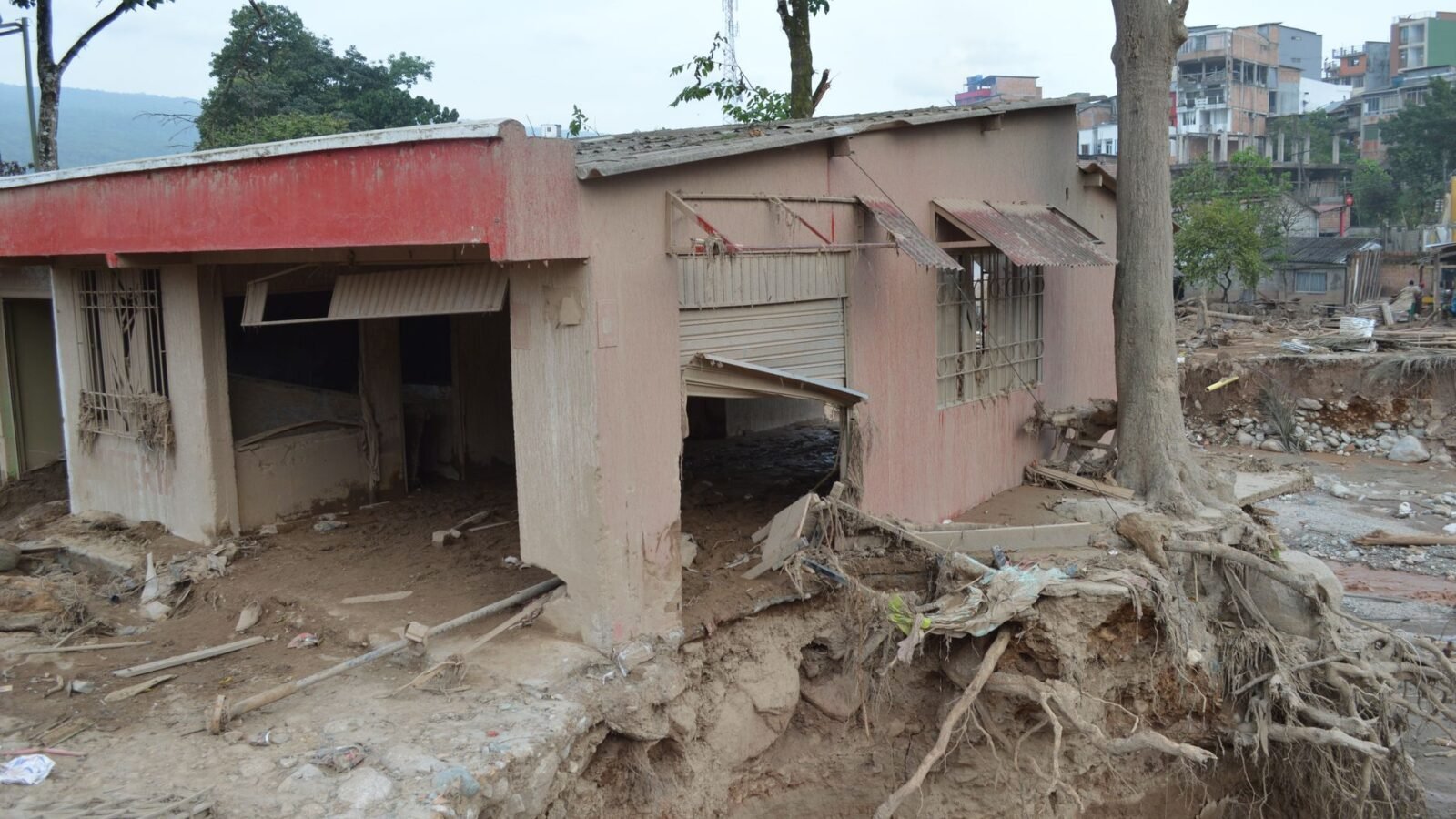
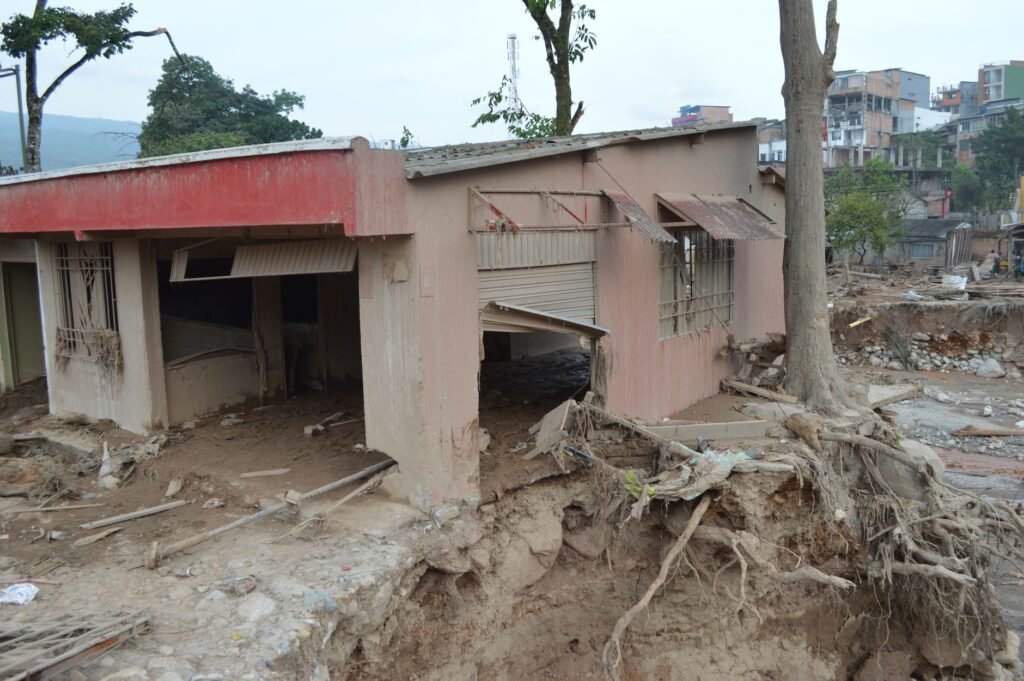
The immediate signal from Nepal is a surge of public anger directed at the government's perceived inaction following recent flash floods. Survivors accuse authorities of significant delays in both aid distribution and the critical task of locating missing persons. While such criticisms are common in the aftermath of natural disasters, the intensity and focus of this discontent suggest something more profound than mere logistical shortcomings. This is not simply a failure of competence in a specific instance but potentially an indictment of underlying state capacity, particularly in its ability to project authority and deliver essential services beyond urban centres. The outcry serves as a powerful indicator of a growing chasm between public expectations and governmental performance, a gap that could have lasting political ramifications.
The public's frustration is amplified by a sense of vulnerability, especially among rural populations disproportionately affected by the floods. Their dependency on a state that appears unable to provide timely relief fosters an environment ripe for political disillusionment. This situation moves beyond a conventional humanitarian crisis; it becomes a test of the social contract, challenging the very legitimacy of the governing apparatus. The signal, therefore, is not merely about a slow response, but about the revelation of systemic weaknesses that a natural disaster has brought into stark relief.
The mechanism
The mechanism through which this public anger translates into political pressure is multifaceted. Firstly, the lack of timely state intervention in disaster relief inevitably creates a vacuum. This vacuum is often filled by local community initiatives, non-governmental organisations, or, critically, opposition political groups. When these alternative actors demonstrate greater efficacy than the central government, it erodes the state's monopoly on legitimate service provision and public trust. The narrative shifts from 'the government is trying its best' to 'the government is incapable or indifferent'.
Secondly, the specific nature of the complaints—delays in aid and search efforts—touches upon fundamental expectations of state protection. In a country like Nepal, prone to natural hazards, effective disaster response is not an ancillary function but a core component of governance. A failure here resonates deeply, particularly among demographics that may already feel marginalised. This disappointment can activate existing grievances, such as those related to resource allocation, infrastructure development, or perceived corruption, coalescing them into a broader critique of the political establishment. The mechanism is therefore one of cumulative disillusionment, where a single crisis acts as a catalyst for a more comprehensive re-evaluation of political leadership.
Furthermore, the mechanism involves the interplay between local and central authorities. Often, initial disaster response falls to local bodies, which may lack the resources, coordination, or authority to manage large-scale emergencies. When the central government then fails to provide swift, decisive support, it exposes the weaknesses in the hierarchical structure of state administration. This disjuncture can paralyse effective action, leading to the very delays that fuel public anger. The mechanism, then, is not just a direct failure but a compounding one, where structural deficiencies impede an already challenged response.
Who gains and who is exposed
The primary entities exposed by this crisis are the incumbent government and its allied political parties. Their legitimacy and public mandate are directly challenged by the perception of an inadequate response. Beyond the immediate political fallout, the crisis exposes the limitations of the state bureaucracy and its capacity for rapid, coordinated deployment in emergent situations. This includes not only logistical and material shortfalls but potentially also a lack of robust planning and early warning systems, essential for mitigating the impact of predictable seasonal events.
Conversely, those who stand to gain are opposition political parties and local leaders who can effectively contrast their efforts or proposals with the government's perceived failures. This crisis offers a potent platform for them to articulate alternative visions of governance, particularly concerning disaster preparedness, infrastructure investment, and equitable resource distribution. Non-governmental organisations with strong on-the-ground presence and efficient aid delivery mechanisms also gain credibility, potentially shifting public reliance away from state institutions in future crises. The perception of competence and responsiveness, even if localised, can translate into significant political capital.
Moreover, the crisis exposes broader societal vulnerabilities. Rural communities, often with limited infrastructure and greater reliance on subsistence agriculture, are disproportionately affected, highlighting persistent regional disparities. The urban poor, residing in informal settlements often built in flood-prone areas, are also acutely exposed. This differential exposure could exacerbate existing social tensions and deepen the urban-rural divide, creating new fault lines in the political landscape. The crisis, therefore, is not merely a political contest but a revealing moment for the structural inequalities within the nation.
Leading indicators to track
To gauge the trajectory of this situation, several leading indicators warrant close observation. Firstly, the nature and persistence of protests and public demonstrations are crucial. Are they localised and sporadic, or are they becoming more widespread, organised, and sustained? A shift towards more coordinated, national-level protests would indicate a deepening crisis of legitimacy. Tracking the rhetoric of opposition leaders and their ability to mobilise support beyond traditional strongholds will be key.
Secondly, monitor the government's response beyond initial aid efforts. Does it announce significant policy reforms related to disaster management, infrastructure development, or decentralisation of authority? The implementation, or lack thereof, of such reforms will signal whether the government is merely reacting or genuinely attempting to address systemic issues. Specific attention should be paid to budget reallocations for disaster preparedness and climate resilience projects.
Thirdly, observe the role of international aid organisations. Are there reports of friction with local authorities, or conversely, successful collaborations that bypass central government bottlenecks? The effectiveness of international assistance can either mitigate public anger or, if poorly coordinated, inadvertently highlight state deficiencies further. Finally, track internal dissent within the ruling coalition or party. Any high-profile resignations or public criticisms from within the government's ranks would signal significant internal pressure and potentially foreshadow a political realignment. The interplay of these indicators will determine whether the current anger dissipates or coalesces into a more substantial political challenge.
The twelve-month forecast
The coming twelve months will be critical in determining whether the current public anger in Nepal over flood response remains an isolated incident or becomes a catalyst for broader political and social transformation. The government's capacity to pivot from reactive aid delivery to proactive, systemic reforms will be paramount. A failure to address the underlying issues of state capacity and governance could precipitate a more profound crisis of confidence, with implications for political stability and the trajectory of national development.
The interplay between local grievances and national political dynamics will shape the narrative. Should opposition parties effectively harness this discontent, they could force concessions, trigger early elections, or even catalyse a significant reconfiguration of the political landscape. Conversely, a robust and visibly effective government response, even if belated, could temper public anger and restore a measure of trust. The challenge lies not just in delivering aid, but in demonstrating a credible commitment to preventing future recurrences and strengthening state institutions.
Scenario matrix
| Scenario | Probability | Confirming trigger |
|---|---|---|
| Government implements substantive reforms; public trust gradually rebuilds. | 30% | A major legislative package on disaster management and decentralisation is passed and visibly implemented, coupled with a significant increase in public satisfaction surveys within six months. |
| Sustained public anger leads to political instability, including leadership challenges or early elections. | 45% | Widespread, organised protests persist for over three months, leading to a no-confidence vote or the ruling coalition losing its parliamentary majority. |
| Crisis management is ad hoc; public anger recedes but underlying issues remain, setting the stage for future crises. | 25% | Government makes minor, superficial changes without addressing core capacity issues; public attention shifts to other matters, but no fundamental improvements in disaster response are observed in subsequent minor events. |
Probabilities are estimates, not certainties. They are published so the forecast can be scored later.
Source material: Al Jazeera – Breaking News, World News and Video from Al Jazeera