Dolly Parton’s Posthumous Legacy: The Contested Battle for Nashville’s Soul

Trending Global
The passing of a cultural icon, Dolly Parton, has reignited a long-simmering tension over Nashville's evolving identity and its foundational values.
What just happened
The private funeral of Dolly Parton, the legendary singer who died aged 80, marked a quiet end to a life lived in the public eye. While the immediate focus was on mourning a cultural icon, her passing has swiftly become a catalyst for a deeper, more contentious discussion about the identity of Nashville itself. Parton, a figure synonymous with the city’s musical heritage, represented a particular strain of its character: deeply rooted in tradition yet possessing an undeniable universal appeal. Her departure from the stage has, for many, underscored a growing anxiety over what elements of Nashville’s past are worth preserving and which are destined for obsolescence.
Why it is contested
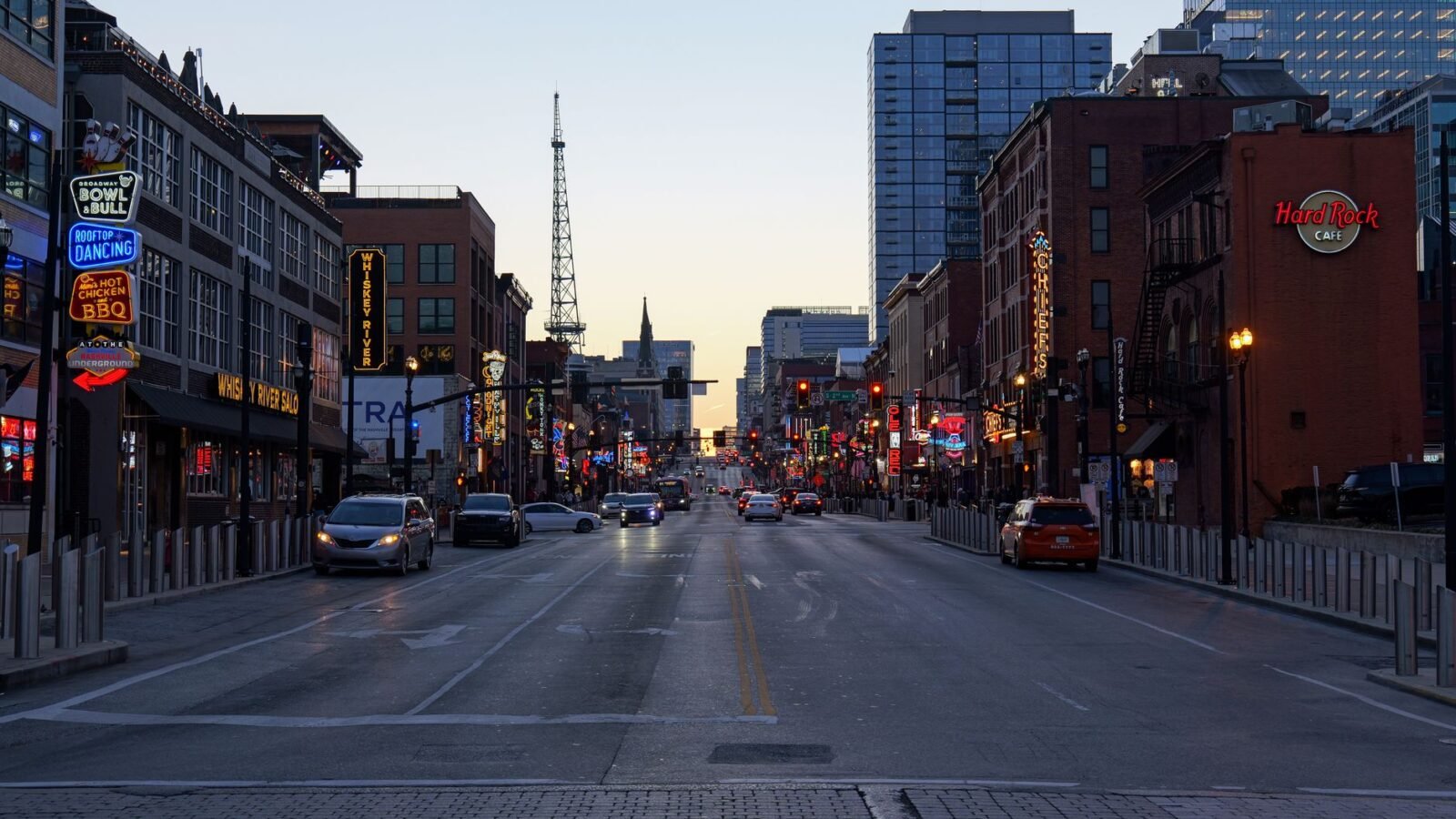
The contestation arises from Nashville’s rapid transformation. Once primarily defined by country music, it has diversified economically and demographically, attracting new industries, residents, and cultural influences. This evolution has created a schism between those who champion the city’s traditional 'Music City' identity, often rooted in specific genres and values, and those who see its future in broader terms, embracing a more cosmopolitan, inclusive, and commercially driven identity. Parton, through her longevity and pervasive influence, had managed to bridge some of these divides. Her absence removes a unifying, if complex, symbol, allowing these underlying tensions to surface more acutely. The question is not merely about her legacy, but about which version of Nashville will ultimately claim it and, by extension, define the city’s next chapter.
The competing narratives
One dominant narrative casts Parton as the embodiment of an authentic, unadulterated country music heritage, a bulwark against the perceived dilution of Nashville’s soul by corporate interests and genre-bending artists. Proponents of this view see her as a standard-bearer for storytelling, musical craftsmanship, and a certain moral uprightness often associated with traditional country. For them, her legacy demands a recommitment to these foundational principles, resisting the homogenisation they fear rapid development brings. The strongest objection to this reading is that it risks essentialising Parton, overlooking her own significant commercial acumen and her willingness to adapt and innovate throughout her career, which often transcended strict genre boundaries. She was, in many ways, a pioneer of the very commercial expansion that traditionalists now decry.
A competing narrative positions Parton as a figure who, while deeply rooted in tradition, consistently pushed boundaries and embraced a more expansive vision for Nashville. This perspective highlights her business ventures, her philanthropic efforts, and her appeal across diverse demographics as evidence of a progressive, forward-looking spirit. For those who subscribe to this view, her legacy encourages Nashville to continue evolving, to embrace diversity in its music, its population, and its economic drivers, rather than retreating into a nostalgic past. The primary objection here is that this interpretation risks sanitising the raw, often gritty origins of Parton’s art and the working-class ethos she represented, potentially co-opting her image to justify unchecked commercialisation and gentrification that may displace the very communities that fostered her rise. It can be seen as an attempt to retroactively align her with a trajectory she did not explicitly endorse in all its forms.
What to watch next
The immediate aftermath of Parton’s death will likely see a surge in tributes and retrospectives, but the underlying battle for narrative control will play out in how these are framed and amplified. Observe the rhetoric from civic leaders, tourism boards, and music industry figures: do they emphasise preservation or innovation? Look for new development proposals and zoning debates within Nashville – these concrete policy decisions will reflect which vision is gaining traction. The performance of new artists and venues, particularly those that either overtly embrace or reject traditional country aesthetics, will also indicate the direction of the city’s cultural currents. The long-term question is whether Nashville can forge a new identity that honours its past without being confined by it, or if the competing visions will pull the city in irreconcilable directions.
The bottom line
Dolly Parton’s passing has not merely marked the end of an era; it has opened a critical juncture for Nashville. The city now faces a profound choice: will it coalesce around a singular, perhaps idealised, version of its past, or will it embrace a more complex, multifaceted future, acknowledging that its identity has always been in flux? What remains to be seen is whether her legacy will serve as a unifying force, inspiring a synthesis of tradition and progress, or if it will inadvertently deepen the existing fault lines, leaving Nashville to contend with a prolonged identity crisis.
Source material: BBC News