Hormuz: oil is trading a promise, not a passage
Trending Global
Rubio and Bessent say talks have advanced enough to restart shipments through the Strait of Hormuz. The market moved on the statement, not on a single confirmed transit.
What just happened
Oil prices fell after two members of the US cabinet — Secretary of State Marco Rubio and Treasury Secretary Scott Bessent — said talks had progressed far enough to allow shipments through the Strait of Hormuz to resume. That is the whole of the reported fact. The waterway that connects the Gulf to the Arabian Sea, bounded by Iran to the north and Oman to the south, is the single most concentrated chokepoint in the global energy system, and traders responded to the prospect of its restoration in the only way available to them: by selling risk.
Note what the report does not contain. It does not contain a confirmed transit. It does not contain a statement from the party imposing the constraint. It does not contain terms. The market has repriced on an American characterisation of a negotiation that, by the language used, is still in progress. That distinction is not pedantry — it is the entire trade.
Why it is contested
The most informative element of the announcement is the casting. Straits are usually a matter for defence and foreign ministries. This one was announced jointly by America's chief diplomat and its chief financial officer. Treasury secretaries do not front maritime security news unless the instrument in play is financial: sanctions relief, licensing, escrowed payments, unfrozen assets, or the plumbing that lets a cargo be paid for at all. The reasonable inference — and it is an inference, not a reported fact — is that whatever has moved was purchased rather than deterred. If so, the price of the reopening is a variable that will be revealed later, and possibly contested domestically in Washington.
The second contested point is mechanical. Governments cannot reopen a strait by declaration. Commercial traffic resumes when war-risk insurance is quoted at a level a charterer will pay, when shipowners accept the liability, and when crews will sail. Those decisions are taken by underwriters and owners who have no obligation to believe a press statement and every incentive to wait for evidence. A closure can be created in hours; the confidence to sail is rebuilt in weeks. The gap between political permission and physical throughput is where this story will actually be settled.
The competing narratives
The first reading is that this is genuine de-escalation, and the market is right to move early. On this view, restricting Hormuz was always leverage rather than an objective — an asset that loses value the moment it is used, because it invites the naval response and the buyer diversification that reduce the coercer's future power. Cashing it in for financial concessions is the rational play, and doing so through Treasury rather than the Pentagon lets both sides claim they were not defeated. The strongest objection to this reading is evidentiary: only one side has spoken. Announcing progress is a recognised negotiating tactic in itself, used to lock a counterparty into a position it has not formally accepted. Until the other party confirms, the market is long a unilateral claim.
The second reading is that this is a tactical pause dressed as a settlement. The capability to interdict Hormuz — mines, anti-ship missiles, small craft, drones — is not dismantled by a diplomatic communiqué. It has now been exercised and seen to work. A revocable permission to sail is not the same thing as freedom of navigation, and if traffic can be switched off again on political demand, the correct response is a permanently wider risk premium in crude, higher freight and insurance costs, and accelerated investment in bypass pipelines and alternative export terminals outside the Gulf. The strongest objection here is that markets are relentlessly literal: if tankers sail and keep sailing, the premium will decay regardless of theoretical capability, as it has after previous Gulf scares. Structural fear without recurring incidents does not survive contact with quarterly hedging costs.
Both readings can be partly right, and the evidence as supplied genuinely does not adjudicate between them. What would adjudicate is narrow and near-term: confirmation from the constraining party, the terms of any financial component, and the behaviour of insurers.
What to watch next
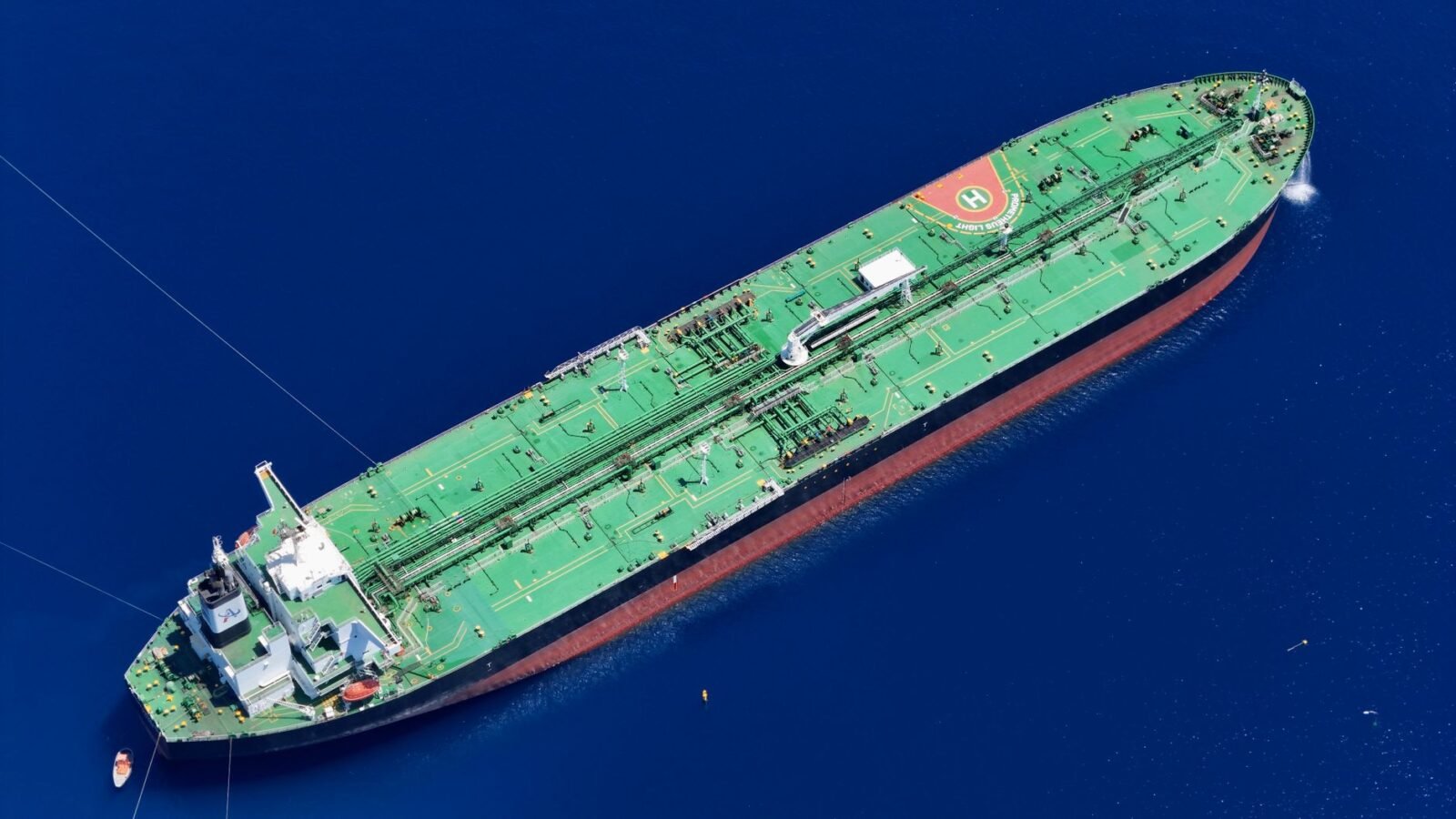
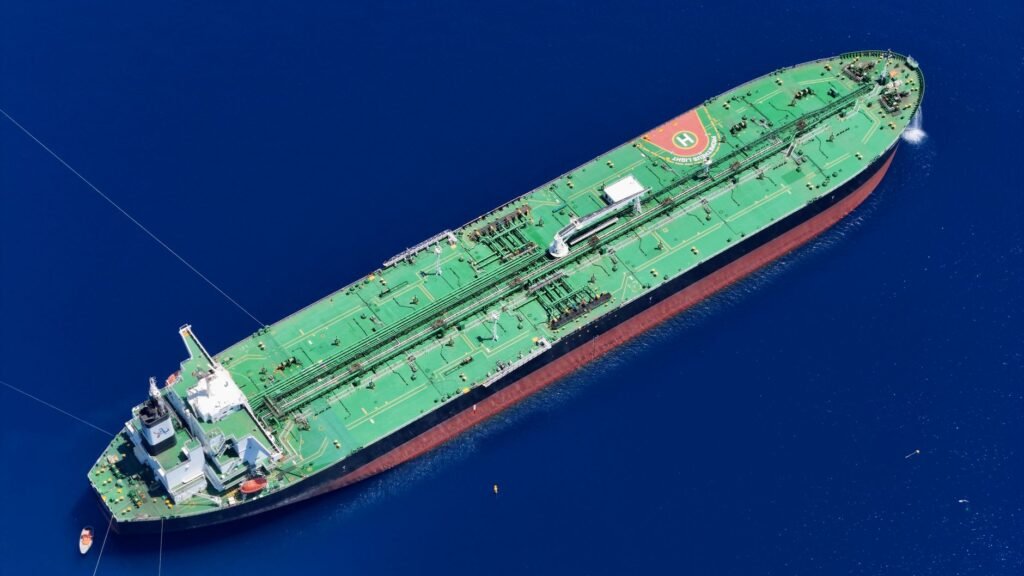
Watch laden transits, not statements. The relevant signal is very large crude carriers loading in the Gulf and clearing the strait southbound with cargo, repeatedly, over consecutive days. One escorted or symbolic passage proves little.
Watch war-risk premiums for Gulf voyages. If quotes fall materially, professional risk-takers with money at stake have accepted the political news. If they hold near crisis levels while crude falls, the paper market and the physical market have diverged — historically a warning that the paper market is wrong.
Watch the shape of the futures curve rather than the front-month price. A fall in spot prices with sustained backwardation implies the market still fears physical tightness. Flattening implies genuine belief that supply will flow.
Watch Washington's domestic reaction. If Bessent's involvement means sanctions relief, opponents in Congress will say so quickly, and the political durability of the arrangement — not its technical terms — becomes the risk. Watch, too, whether Asian refiners who rerouted or drew down stocks reverse those decisions, because they are the buyers with the least appetite for symbolism.
The bottom line
The price move is not evidence that Hormuz is open. It is evidence that traders believe two American officials are describing a real convergence, and that they would rather be early than right. That is a defensible bet, but it is a bet on a claim, and the claim is currently uncorroborated in the material available.
The deeper consequence is already fixed regardless of how this resolves. The world has been reminded that a single stretch of water can be throttled, and that the remedy was negotiated in a currency of money and sanctions rather than settled by force. Every future planner — refiner, shipowner, sovereign buyer, navy — now works from that precedent. If a chokepoint can be closed and then reopened by agreement, the question is not whether it will be closed again, but what it will cost the next time, and who will be expected to pay.
Scenario matrix
| Scenario | Probability | Confirming trigger |
|---|---|---|
| Sustained commercial traffic resumes and the risk premium substantially unwinds within weeks | 45% | Repeated laden VLCC transits on consecutive days accompanied by a visible fall in Gulf war-risk insurance quotes |
| Partial, conditional resumption: cargoes move but at elevated insurance and freight costs, leaving a persistent structural premium | 35% | Transits recorded while war-risk premiums stay near crisis levels and the crude curve remains backwardated |
| The announcement is not corroborated by the counterparty and traffic fails to normalise, prompting a sharp price reversal | 20% | An explicit denial or reinterpretation of terms by the constraining party, or a further interdiction incident in the strait |
Probabilities are estimates, not certainties. They are published so the forecast can be scored later.
Source material: BBC News