A Funeral for 112 Is Not One Event. It Is a Process Made Visible
Trending Global
The scale of a single Gaza City procession reveals less about one day's deaths than about the machinery of recovery, identification and release now operating behind them.
What just happened
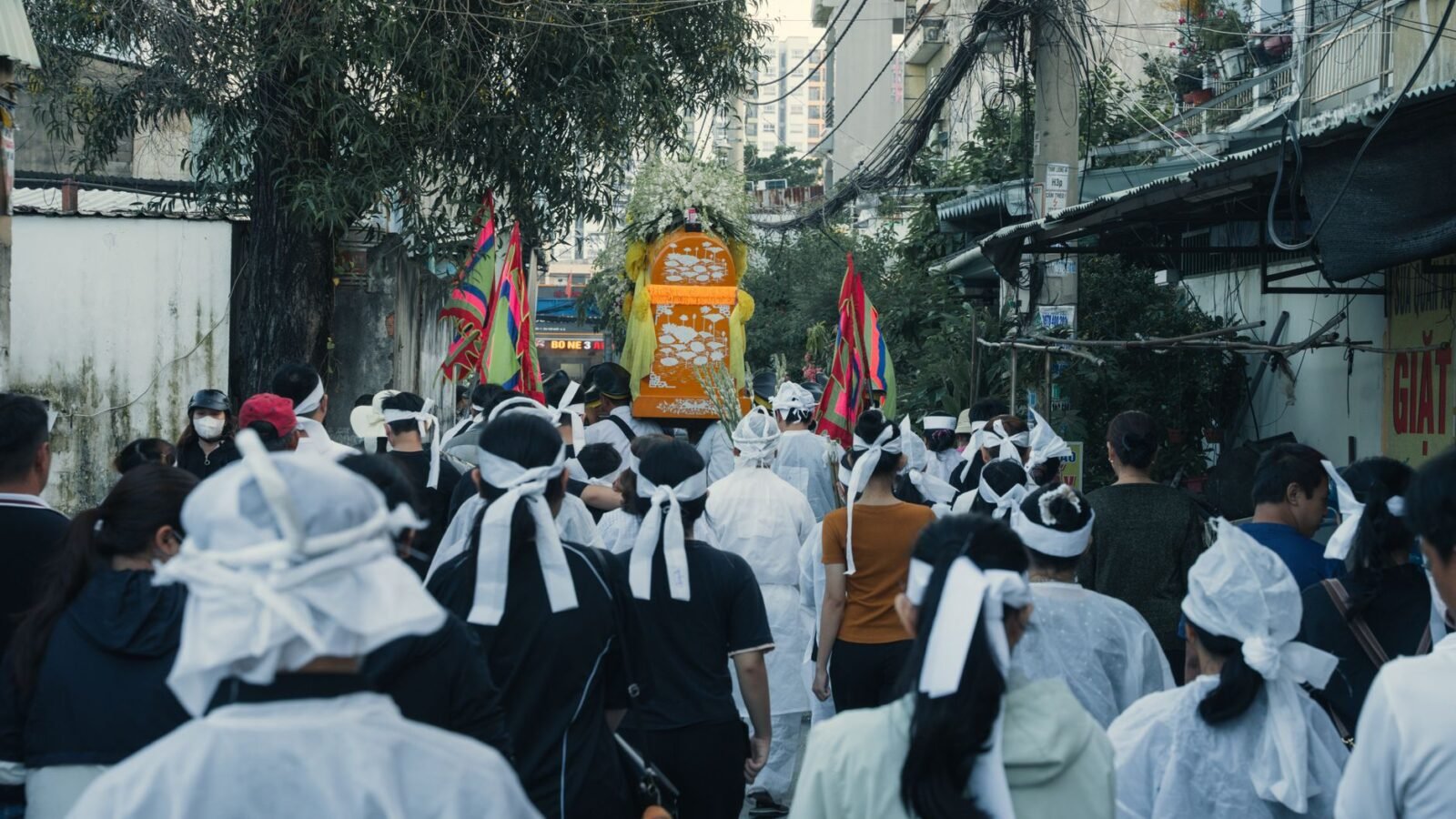
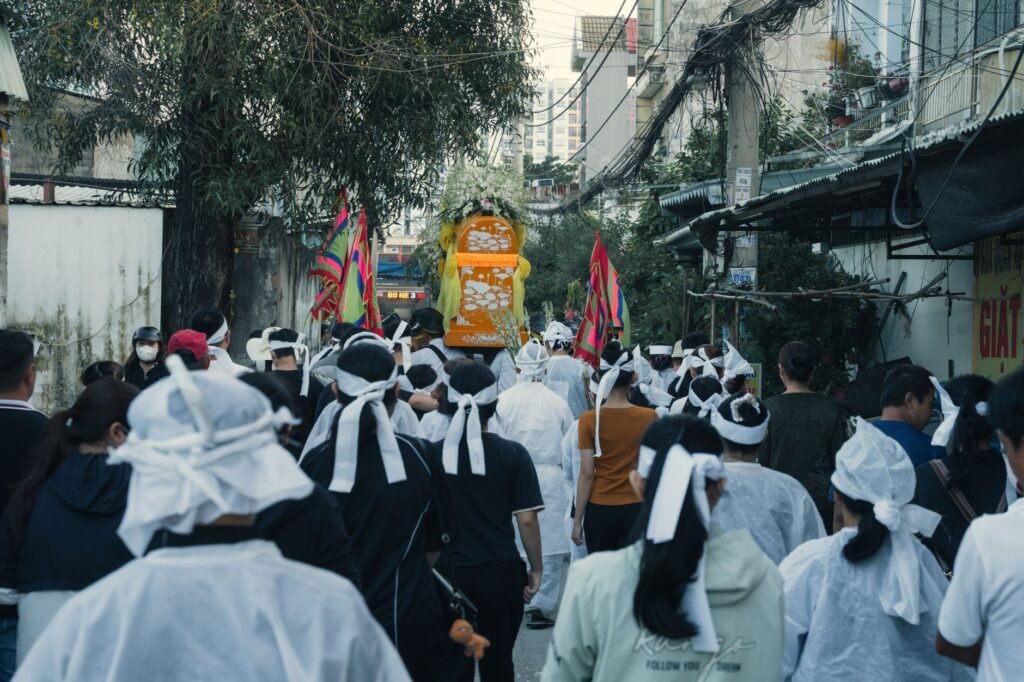
Thousands of people in Gaza City joined a mass funeral for 112 Palestinians, according to reporting and photography published by Al Jazeera. Bodies were wrapped in Palestinian flags and carried through the streets. The outlet described it as one of the largest funerals since the war on Gaza began.
That is the extent of the established record. It does not state where the 112 bodies had been held, when the individuals died, how they were identified, who released or recovered them, or whether the dead were combatants, civilians or a mixture. It does not say who organised the procession. Those absences are not incidental to the story. They are the story, because almost every contested claim that will be made about this funeral in the coming days depends on a fact the reporting does not yet supply.
One inference is available without speculation. Islamic funerary custom strongly favours prompt burial, ordinarily within a day, and individually. A single ceremony for 112 people is therefore not the arithmetic of one day's mortality processed in the normal way. It is a batch. Batching means the remains were somewhere else first — in a morgue, under rubble, in refrigerated storage, or in the custody of another party. Something released them at once.
Why it is contested
The first contested axis is provenance. If these are remains excavated from collapsed buildings as heavy equipment reaches previously inaccessible districts, the funeral is a marker of the recovery phase — a war being counted rather than fought. If they are bodies that had accumulated in hospital morgues because families were displaced and burial grounds unreachable, it is a marker of the collapse of civil administration. If they were transferred from custody elsewhere, the event becomes an item in an exchange framework, with all the legal and diplomatic weight that carries. The same photographs support all three readings. They are not equivalent.
The second axis is identification. A collective burial of 112 raises the question of how many were named. Forensic identification at scale requires records, reference samples and laboratory capacity — precisely the infrastructure that armed conflict degrades first. If a substantial share were buried unidentified, the funeral is simultaneously a rite and an unresolved legal matter: families without a confirmed death, estates without probate, and a future exhumation problem. Advocates of casualty accounting and Israeli critics of Gaza casualty figures will read the same uncertainty in opposite directions.
The third axis is the crowd itself. Thousands assembling in the open, in daylight, in Gaza City, and dispersing, is an observable fact about that day's conditions. Whether it indicates a genuine lull, a locally negotiated pause, or simply calculated risk-taking by mourners cannot be read off a photograph.
The competing narratives
The Palestinian and much of the international humanitarian reading treats the procession as testimony: the flag-wrapping as recognition of national belonging denied in life, the mass ceremony as the only dignity available when individual rites have become impossible. On this account the scale is an indictment, and the crowd is a community insisting on the personhood of the dead. The strongest objection is that flag-draped mass processions are also a political instrument, and that reading them purely as private grief ignores how deliberately funerals function as public mobilisation throughout the region — a fact of which organisers everywhere are entirely aware.
The Israeli and allied security reading tends to treat mass funerals as scenes staged for cameras, with casualty totals unverifiable and combatant status obscured by collective burial. On this account the number 112 is a claim, not a datum. The strongest objection is that this argument proves too much: it would render any death toll in Gaza permanently unprovable by design, which is convenient for the party contesting it, and it cannot explain away recovered remains that were plainly under rubble.
A third, less audible reading is forensic and procedural. Practitioners in identification and repatriation work would see neither indictment nor propaganda but a failure of process: bodies buried without confirmed identity generate decades of litigation, unresolved family claims and later exhumations. That reading is unsatisfying to both political camps precisely because it treats the funeral as a technical problem rather than a moral verdict.
What to watch next
Four indicators would resolve most of the ambiguity. First, publication of a named list: the ratio of named to unnamed dead reveals whether identification capacity is functioning. Second, any statement of provenance — recovery site, morgue release, or transfer — from health authorities, the Red Cross and Red Crescent movement, or the parties to the conflict. Third, repetition: if further processions of comparable scale follow at intervals, the pattern points to a rolling recovery or release process rather than a single event. Fourth, burial method — numbered graves, mapped plots and retained samples indicate an expectation of later identification; unmarked collective interment does not.
The absence of these details is itself informative. Reporting that leads with photographs and a total, rather than with provenance, usually reflects the state of available information rather than editorial choice.
The bottom line
The instinct is to read a mass funeral as the peak of a war's intensity. The mechanics suggest something else: collective burial at this scale is more characteristic of the accounting phase than the fighting phase, because it requires bodies to have been held, gathered and then released together. If that is what this procession represents, it is evidence that the arithmetic of the war is only now being assembled — and that the assembled figure will be contested more fiercely than any single day's toll ever was.
Which leaves the question that will outlast the photographs. When the recovery is finished and the batches stop, will there be an identification record that any of the parties is willing to accept as authoritative — or will Gaza's dead be argued over indefinitely because no one built the means to count them while it was still possible?
Scenario matrix
| Scenario | Probability | Confirming trigger |
|---|---|---|
| Further mass funerals of comparable scale follow within weeks, confirming a rolling recovery or release process rather than an isolated event | 60% | A second reported collective funeral in Gaza of roughly 100 or more remains |
| A partial named list is published, showing a majority identified and a significant unidentified minority | 45% | Health authority or humanitarian organisation releases identification figures tied to this burial |
| Provenance becomes a formal diplomatic dispute, with rival accounts of where the remains were held | 35% | Contradictory official statements on the origin of the 112 bodies from opposing parties |
Probabilities are estimates, not certainties. They are published so the forecast can be scored later.
Source material: Al Jazeera – Breaking News, World News and Video from Al Jazeera