Colombia quake exposes fragile state capacity beyond immediate rescue
Trending Global
The devastating earthquake in western Colombia prompts critical questions about long-term recovery and the structural resilience of affected regions.
What just happened
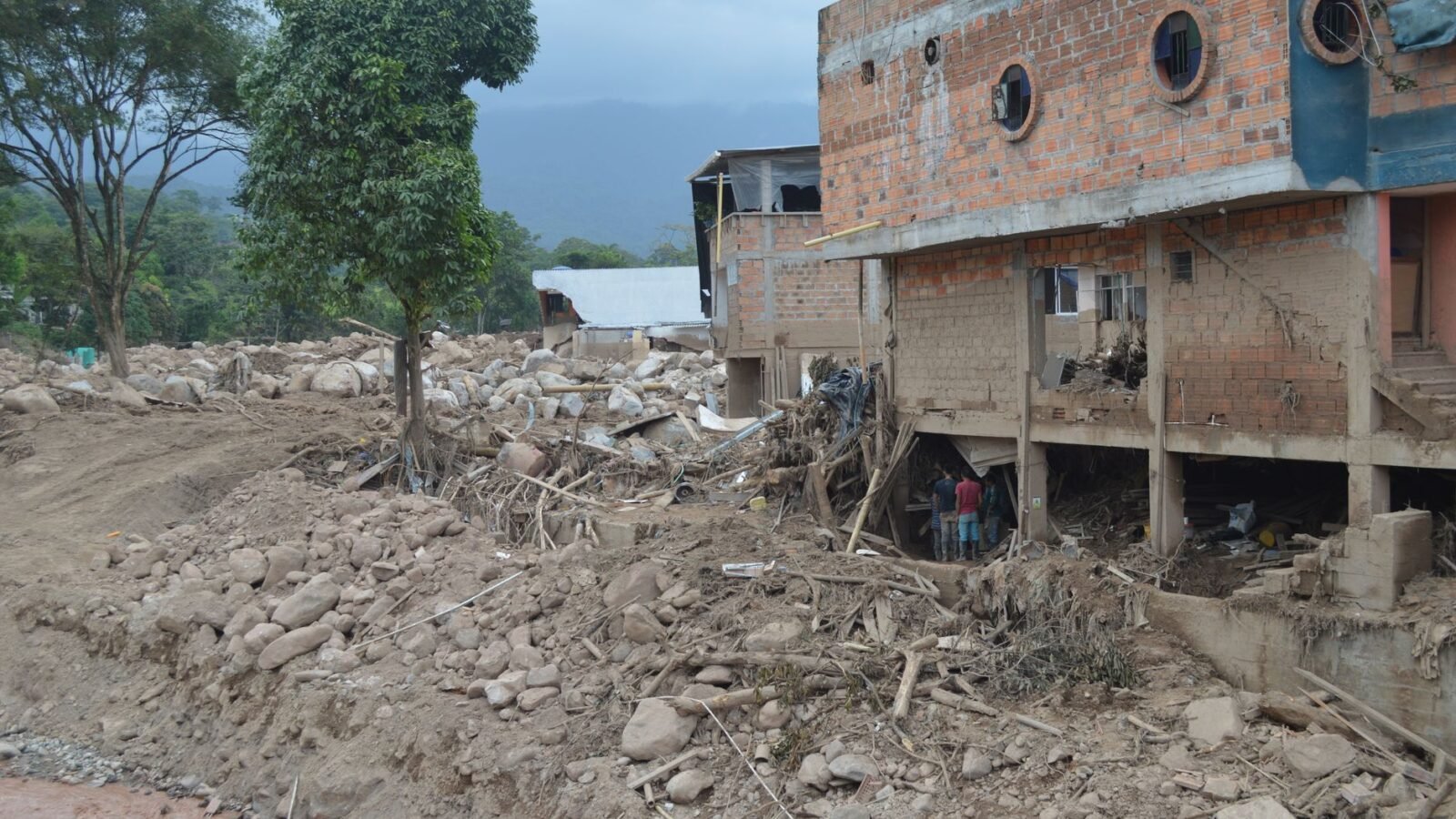
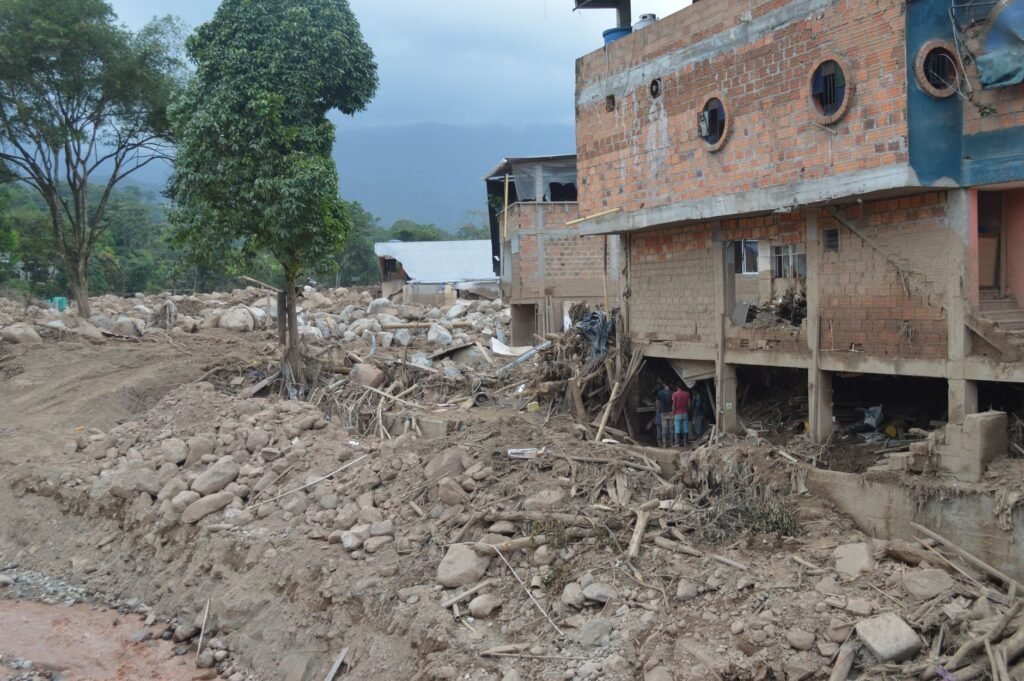
Western Colombia has been struck by a significant earthquake, leading to intensified rescue efforts across the affected towns. The immediate focus remains on locating survivors and providing urgent humanitarian assistance to those displaced and injured. The full extent of the damage to infrastructure and housing is still being assessed, but initial reports suggest widespread devastation in some of the more remote and less developed areas.
The geographical characteristics of western Colombia, marked by mountainous terrain and a history of seismic activity, compound the challenges for emergency responders. Access to some of the hardest-hit communities is difficult, necessitating coordinated efforts from national and international aid organisations to deliver essential supplies and medical support. The immediate aftermath is a period of critical intervention, where the efficiency of disaster response mechanisms is rigorously tested.
Why it is contested
The interpretation of this natural disaster extends beyond the immediate humanitarian crisis to a broader debate about state capacity, regional development, and the long-term implications for stability in Colombia. While some analyses will focus on the effectiveness of the emergency response and the resilience of local communities, others will inevitably point to the earthquake as an amplifier of pre-existing structural vulnerabilities.
The contestation arises from whether the event is viewed as an isolated catastrophe requiring a standard disaster relief protocol, or as a critical juncture that exposes deeper systemic issues within Colombian governance and economic planning. The response will be scrutinised not only for its immediate efficacy but also for its capacity to address the underlying conditions that render certain populations disproportionately susceptible to such events.
The competing narratives
One prevailing narrative posits that the Colombian state, supported by international aid, possesses sufficient mechanisms to manage the immediate crisis effectively. Proponents of this view point to the rapid mobilisation of rescue teams and the established protocols for disaster response as evidence of a functional, if sometimes strained, institutional framework. This reading suggests that while tragic, the earthquake is a test of operational logistics, which, once met, will allow for a return to pre-existing development trajectories. The strongest objection to this perspective is that it risks overlooking the differential impact of such events on already marginalised communities, where 'return to normal' may still entail significant hardship and a perpetuation of pre-disaster inequalities.
A counter-narrative argues that the earthquake serves as a stark illustration of the uneven distribution of state resources and the chronic underinvestment in resilient infrastructure in peripheral regions. This perspective suggests that the disaster will exacerbate existing fragilities, potentially widening socio-economic disparities and testing the central government's capacity for sustained, equitable reconstruction. From this viewpoint, the emergency response is merely a temporary palliative, and the true measure of success will be found in the long-term commitment to structural improvements and inclusive development. A significant objection to this more critical reading is that it may unduly minimise the immediate, life-saving efforts of first responders and the genuine complexities of managing a large-scale natural disaster in challenging terrain, irrespective of underlying political or economic conditions.
What to watch next
Attention will shift from immediate rescue to the phases of relief and reconstruction. Key indicators to monitor include the speed and equity of aid distribution, particularly to remote areas; the government's long-term commitment to rebuilding infrastructure to higher, more resilient standards; and the potential for international financial assistance to augment national efforts. The political implications will also be significant, as the response could either bolster public confidence in state institutions or fuel discontent over perceived inadequacies.
Beyond the material recovery, the social fabric of affected communities will be under scrutiny. The displacement of populations, the disruption of livelihoods, and the psychological toll of the disaster will test local coping mechanisms and require sustained social support programmes. The interplay between these factors will determine whether the earthquake acts as a catalyst for renewed development focus or a setback for regional stability.
The bottom line
The western Colombia earthquake is more than a natural catastrophe; it is an acute stress test for the state's capacity to govern, develop, and protect its most vulnerable populations. The immediate humanitarian response, while critical, only begins to address the complex challenges. The true measure of this event's impact will emerge in the coming months and years, as the country grapples with the intricate politics of reconstruction and the enduring question of how to build resilience in regions historically marked by both seismic risk and socio-economic disparity.
Source material: Al Jazeera – Breaking News, World News and Video from Al Jazeera