Damascus’s car-free day: a test case for future urban planning
Strategic Foresight
A 24-hour traffic moratorium in Damascus's Old City may signal a nascent shift in urban planning priorities within conflict-affected states.
The starting conditions
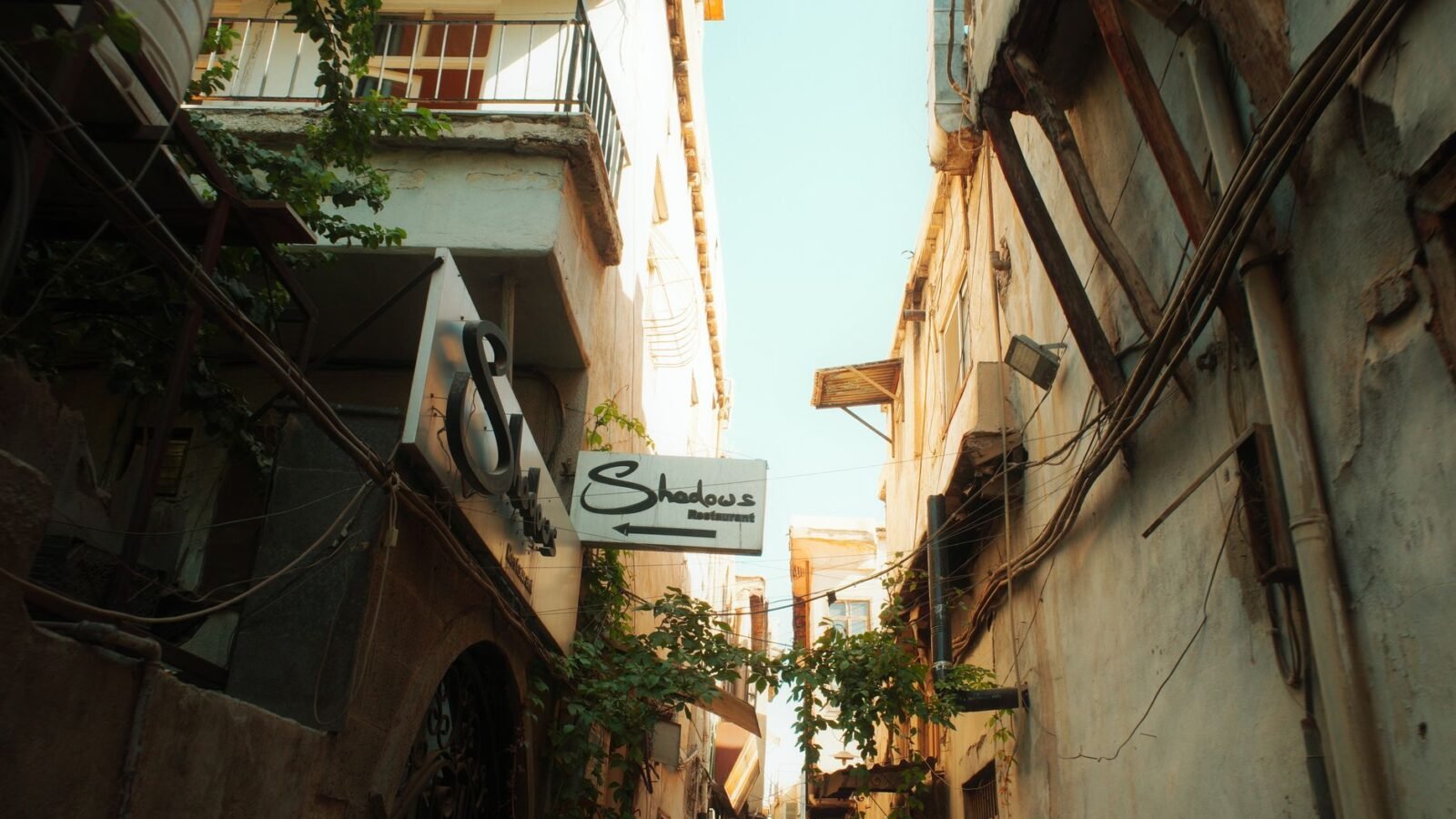
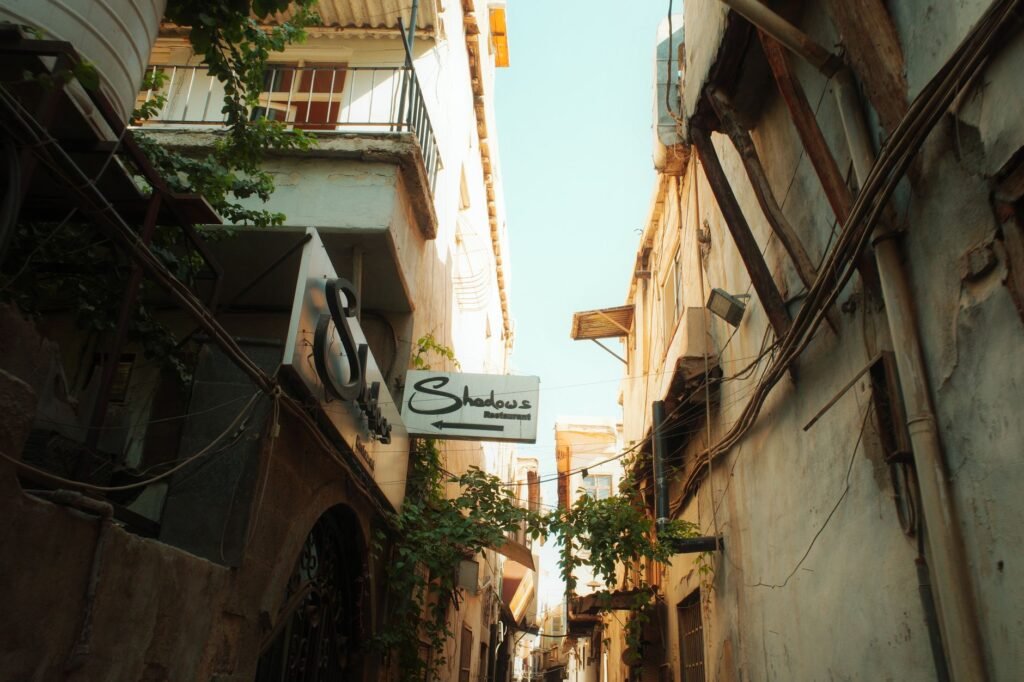
The recent 24-hour cessation of vehicular traffic in Damascus’s Old City, allowing residents to traverse its streets unimpeded, presents a peculiar data point amidst an otherwise protracted and complex humanitarian and political landscape. This single event, while seemingly minor, could be interpreted as a potential, albeit nascent, indicator of shifting priorities within the urban planning discourse of conflict-affected states. It invites analysis not merely as a temporary reprieve but as a possible signal of future urban development strategies, particularly in contexts where infrastructure has been severely degraded and social cohesion strained.
The current urban fabric of Damascus, like many cities in the region, is characterised by a blend of historical legacy and contemporary challenges. Decades of underinvestment, compounded by recent conflict, have resulted in infrastructure deficits, housing shortages, and environmental pressures. The decision to implement a car-free day, even for a limited duration, suggests an underlying capacity for municipal coordination and a potential, if tentative, willingness to engage with alternative urban models. However, the extent to which this event reflects a genuine strategic pivot towards sustainable urbanism, rather than an isolated, symbolic gesture, remains to be determined. The absence of comprehensive public transportation networks, coupled with the reliance on private vehicles in many parts of the city, frames the practical challenges inherent in any long-term transition towards reduced vehicular traffic.
Scenario one: Incremental, donor-driven urban revitalisation
By 2030, Damascus could witness a gradual, donor-driven revitalisation of specific urban areas, with a focus on heritage preservation and limited infrastructure upgrades. Under this scenario, the car-free day might be seen as an early, small-scale experiment in managing urban spaces, subsequently expanded with external technical and financial support. International organisations and development agencies, prioritising cultural heritage and community resilience, could fund projects aimed at enhancing pedestrian zones, restoring historic buildings, and improving basic services in select districts. This approach would likely be characterised by a cautious, project-by-project methodology, avoiding large-scale, transformative urban overhauls due to ongoing political complexities and resource constraints.
The emphasis would remain on local-level interventions that demonstrate tangible, albeit circumscribed, improvements in quality of life and cultural preservation. Public participation might increase within these defined project areas, fostering a sense of ownership over revitalised spaces. However, this scenario implies that broader systemic challenges, such as city-wide transportation reform or comprehensive housing solutions, would largely remain unaddressed. The pace of change would be dictated by the availability of external funding and the political feasibility of implementing projects within a fragmented governance structure. The city might become a patchwork of well-maintained heritage zones juxtaposed against areas still grappling with significant infrastructure deficiencies.
Scenario two: State-led, top-down infrastructure overhaul
Alternatively, Damascus could experience a more assertive, state-led push for urban redevelopment by 2030, driven by a desire to project stability and control. In this scenario, the car-free day might be reinterpreted as a test of command-and-control capabilities, demonstrating the state's capacity to implement city-wide directives. The focus would shift towards large-scale infrastructure projects, potentially including new road networks, housing developments, and public transport systems, designed to modernise the city and accommodate population growth. Such initiatives would likely be centrally planned and executed, with less emphasis on community consultation or heritage preservation where these conflict with development objectives.
Funding for such an overhaul might come from a combination of state revenues, potentially augmented by strategic partnerships with allied nations or private sector investment. The objective would be to rebuild and project an image of a functioning, forward-looking capital, potentially at the expense of existing urban character or informal economies. This scenario risks exacerbating social inequalities if redevelopment benefits accrue disproportionately to certain segments of the population or if existing communities are displaced. The pace of change could be significantly faster than in a donor-driven model, but it would also carry higher risks of unsustainable development or social friction.
Scenario three: Stagnation and informal urbanisation
A third possibility is that Damascus experiences continued urban stagnation and an acceleration of informal urbanisation by 2030, with limited strategic planning or significant investment. In this scenario, the car-free day would be viewed as an isolated, one-off event with no lasting policy implications. Economic constraints, ongoing political instability, and a lack of consolidated governance would preclude any comprehensive urban development initiatives. The city would largely evolve organically, driven by ad-hoc responses to immediate needs rather than strategic planning.
This scenario would see a proliferation of informal settlements, unregularised construction, and a further deterioration of existing infrastructure. Public services would remain patchy and inadequate, and environmental degradation would likely worsen. While local communities might develop resilient, self-organised solutions for everyday challenges, these would operate outside formal planning frameworks and lack long-term sustainability. The urban landscape would become increasingly fragmented, characterised by disparities in access to resources and quality of life. The challenges of urban management would intensify, making any future large-scale interventions significantly more complex and costly.
Wildcards that would break every scenario
Several high-impact, low-probability events could fundamentally alter the trajectory of Damascus's urban future, invalidating all three outlined scenarios. A sudden and comprehensive resolution of regional conflicts, leading to widespread international investment and normalised diplomatic relations, would create an entirely new set of opportunities for urban reconstruction and planning, potentially accelerating progress beyond current expectations. Conversely, a significant escalation of internal or regional conflict, leading to further displacement, destruction, and economic collapse, would render any form of strategic urban planning moot, pushing the city further into crisis management.
A major demographic shift, either through an unexpected mass return of refugees or a dramatic outflow of remaining populations, would also fundamentally reshape urban needs and resource allocation. Furthermore, the emergence of a novel, disruptive technology in urban infrastructure or energy, widely adopted and financed, could bypass existing constraints and enable rapid, unforeseen transformations. Finally, a sudden shift in global geopolitical alliances, leading to a complete reorientation of international aid and investment priorities, could either unlock unprecedented resources or lead to complete isolation, rendering current predictive models obsolete.
Strategic implications
For external actors, the implications of these scenarios are significant. Engagement strategies must remain flexible, capable of adapting to incremental change, top-down directives, or persistent stagnation. Investment in resilient, adaptable infrastructure, rather than rigid, large-scale projects, may prove more effective in an uncertain environment. For local authorities, the challenge lies in leveraging any opportunity – however small, like a car-free day – to test ideas and build capacity, even in the absence of comprehensive strategic frameworks. The immediate task is to understand whether such events are merely symbolic gestures or nascent experiments pointing towards a more deliberate future.
The long-term question remains whether the imperative of rebuilding will ultimately prioritise efficiency and control over sustainability and community participation, or if the lessons of past conflicts will foster a more inclusive approach to urban recovery. The 24-hour car-free initiative in Damascus's Old City, while a small-scale event, provides a focal point for this larger inquiry: what kind of urban future is truly possible, and what does it take to build it, in a place accustomed to enduring instability?
Scenario matrix
| Scenario | Probability | Confirming trigger |
|---|---|---|
| Incremental, donor-driven urban revitalisation | 45% | Consistent, moderate-scale international funding announcements for heritage and community projects in Damascus, coupled with limited, localised infrastructure improvements. |
| State-led, top-down infrastructure overhaul | 30% | Public pronouncements of major, centrally-funded infrastructure projects (e.g., new highways, large housing developments) within Damascus, potentially with support from allied states or private consortia, and evidence of significant land acquisition or displacement. |
| Stagnation and informal urbanisation | 25% | Continued absence of significant urban development projects, increasing prevalence of unregularised construction and informal settlements, and persistent reports of deteriorating public services within Damascus. |
Probabilities are estimates, not certainties. They are published so the forecast can be scored later.
Source material: Al Jazeera – Breaking News, World News and Video from Al Jazeera