Detention of Dr. Abu Safia: Interpreting the International Legal and Political Fallout
Virtual Roundtable
The reported detention and alleged mistreatment of Dr. Hussam Abu Safia in Gaza intensifies scrutiny on the conduct of belligerents and the practical limits of international legal frameworks.
The framing
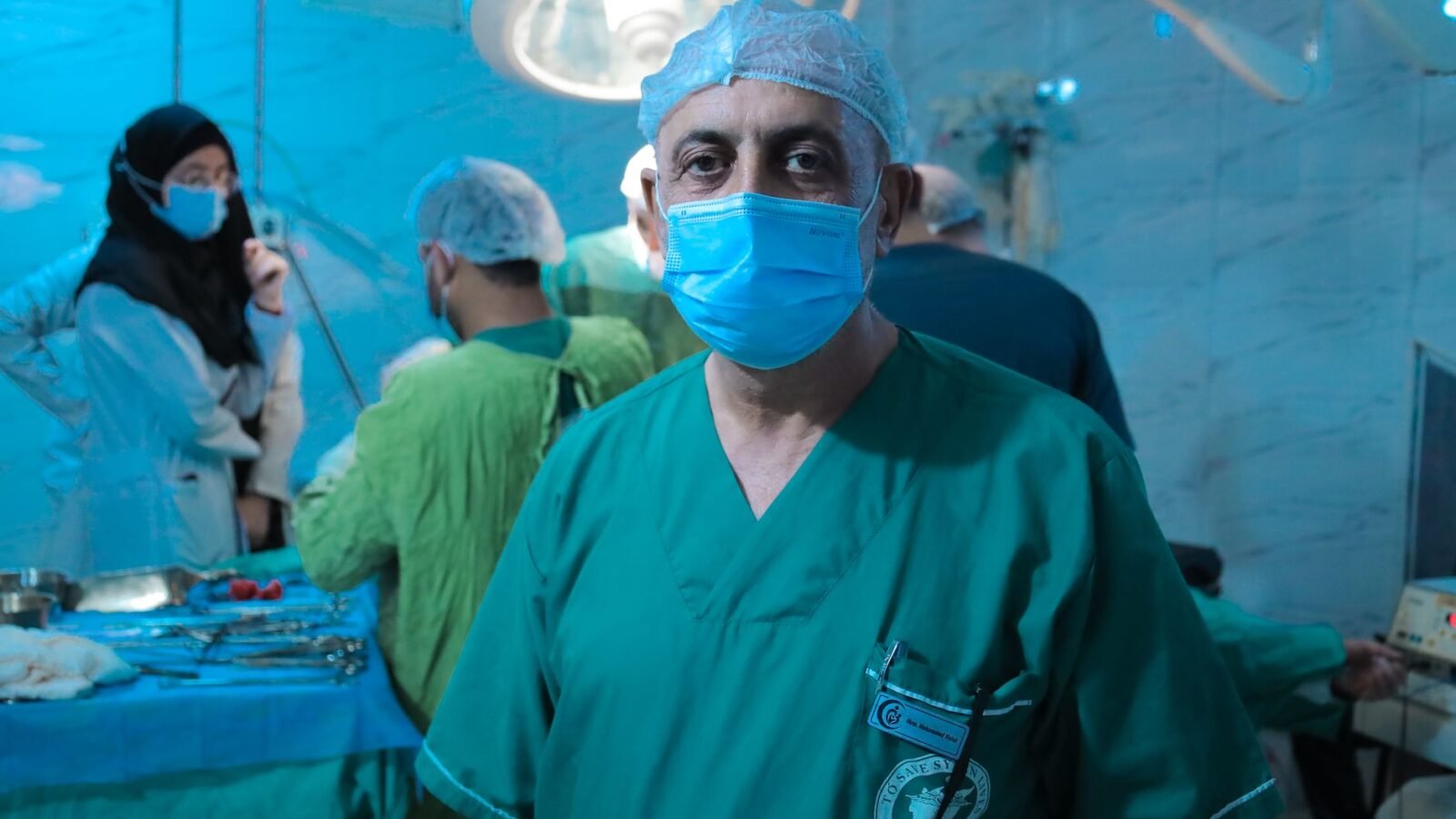
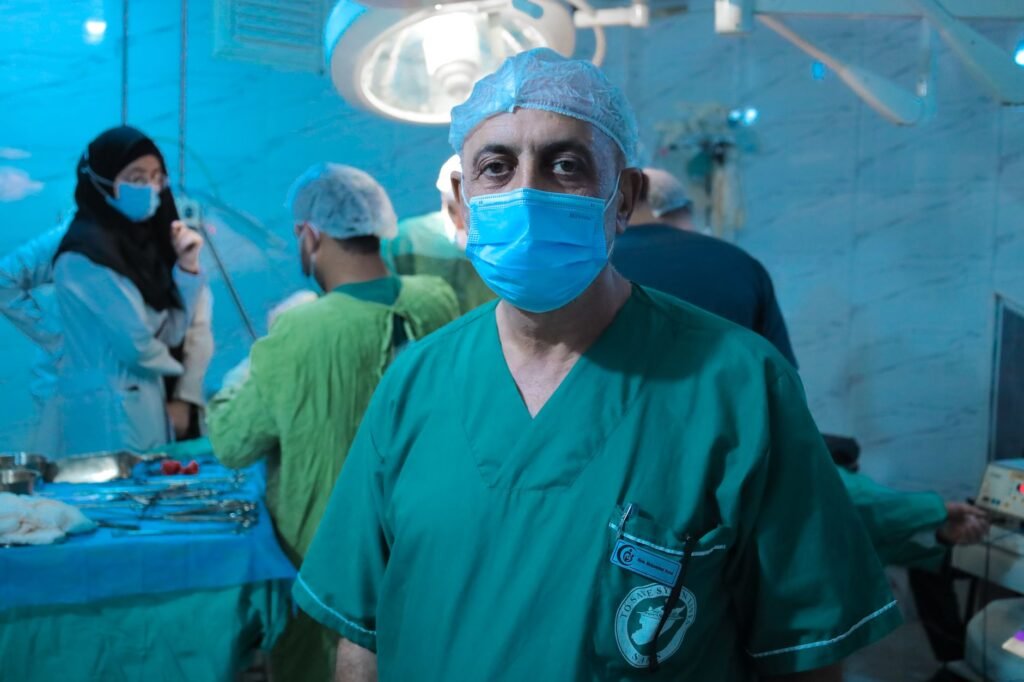
The reported detention of Dr. Hussam Abu Safia, head of the paediatric department at Kamal Adwan Hospital in northern Gaza, has brought the treatment of medical professionals in conflict zones into sharp relief. Reports detailing alleged torture and a lack of medical care for Dr. Abu Safia, whose health is reportedly deteriorating, have prompted urgent calls for intervention.
This incident is not merely a humanitarian concern; it represents a significant challenge to the principles of international humanitarian law, particularly the Geneva Conventions, which afford specific protections to medical personnel. The ambiguity surrounding the circumstances of his detention, coupled with the difficulty of independent verification, creates a complex legal and political landscape. The National Times convened a virtual roundtable with experts to dissect the implications of this unfolding situation, examining the legal responsibilities of detaining powers and the broader geopolitical ramifications.
Where the panel disagrees
While there is broad agreement on the theoretical protections afforded to medical personnel under international law, the panel diverged on the practical enforceability and the likely political outcomes. The career diplomat emphasised the critical role of back-channel negotiations and the potential for this case to become a bargaining chip, suggesting that legal arguments, while robust, often yield to strategic considerations in high-stakes conflicts. Conversely, the sovereign debt restructuring lawyer underscored the enduring importance of documenting and prosecuting violations, arguing that even in the absence of immediate enforcement, such cases contribute to the long-term erosion or strengthening of international norms. The political risk consultant highlighted the domestic political pressures influencing all parties, suggesting that the international outcry, while significant, might be filtered through the lens of internal political narratives, potentially limiting its impact on immediate policy shifts. This tension between legal ideal, diplomatic pragmatism, and domestic political reality formed the core of the disagreement.
The exchange
Disclosure: This roundtable is an analytical synthesis. The panellists are composite professional personas, and no statement below is a quotation from any real person.
A career diplomat, recently retired
How does the detention of medical personnel, particularly with allegations of mistreatment, complicate diplomatic efforts in a conflict zone?
Such detentions, especially when accompanied by unverified but credible allegations of mistreatment, invariably escalate the diplomatic temperature. They transform a specific incident into a broader human rights issue, drawing in international organisations and third-party states. For any party seeking to de-escalate or negotiate, this introduces a new, highly emotive variable that can derail existing channels or harden positions. The focus shifts from strategic objectives to humanitarian accountability, which can be politically inconvenient for the detaining power and a powerful lever for its adversaries. The central challenge becomes verifying the claims without exacerbating an already fraught situation, which requires delicate back-channel engagement.
A sovereign debt restructuring lawyer
From an international law perspective, what specific protections apply to medical personnel in conflict, and how are these typically enforced or challenged?
International humanitarian law, primarily through the First and Fourth Geneva Conventions, grants medical personnel specific protections. They are considered neutral and must be respected and protected in all circumstances. Their detention is permitted only if absolutely necessary for imperative military reasons, and even then, they must be treated humanely and allowed to continue their medical duties for the benefit of wounded and sick prisoners of war or civilians. Enforcement is notoriously difficult. Challenges typically involve documenting violations, submitting evidence to international bodies like the International Criminal Court, or leveraging UN mechanisms. However, jurisdiction and political will often act as significant impediments to prosecution. The immediate legal challenge for the detaining power is to demonstrate military necessity for detention and adherence to humane treatment standards, which often requires transparent access for independent observers.
A political risk consultant to institutional investors
What are the broader political implications of this incident for the parties involved, and how might it influence international perception and support?
For the detaining power, an incident of this nature risks significant reputational damage, particularly if allegations of mistreatment gain wider international traction. It can erode support from key allies who are sensitive to human rights concerns and potentially trigger sanctions or diplomatic condemnation. For the other party, it provides a potent narrative for international advocacy, mobilising public opinion and potentially increasing humanitarian aid or political pressure on adversaries. The critical factor is often the degree of independent verification. Without it, claims and counter-claims can become part of an information war, but verified abuses can shift the entire political calculus, potentially impacting military aid, trade relations, and broader diplomatic standing. Investors, in turn, factor this reputational risk into their assessments of regional stability and future policy direction.
A career diplomat, recently retired
Considering the difficulty of verification, what practical steps might international actors take to address such a situation without escalating the conflict further?
The immediate priority is to establish a credible channel for information and, ideally, access. This often involves leveraging neutral third parties – the International Committee of the Red Cross (ICRC) is the gold standard here – to conduct welfare visits and assess the conditions of detention. Diplomatic pressure can be applied bilaterally or through multilateral forums, but often more effectively through quiet channels, linking resolution of the case to broader diplomatic objectives. The goal is to create incentives for compliance rather than solely imposing penalties, especially when the facts remain contested. Public statements, while necessary for accountability, must be carefully calibrated to avoid foreclosing avenues for private negotiation.
A sovereign debt restructuring lawyer
If allegations of torture or lack of medical care are substantiated, what are the legal ramifications for the individuals and states involved?
If substantiated, these allegations could constitute grave breaches of the Geneva Conventions, which are considered war crimes. Under the principle of universal jurisdiction, individuals responsible for such acts could be prosecuted in any country, regardless of their nationality or where the crime was committed. For states, it opens the door to state responsibility claims, potentially leading to reparations or other forms of redress. The challenge, again, is evidence. Collecting admissible evidence in a conflict zone is immensely difficult, but international legal mechanisms are designed to eventually hold perpetrators accountable, even if enforcement is delayed. The precedent of such cases, regardless of immediate outcome, reinforces the norm against such treatment.
A political risk consultant to institutional investors
How does the focus on specific individual cases like Dr. Abu Safia's compare with broader humanitarian concerns in shaping international policy and public discourse?
Specific individual cases, particularly involving sympathetic figures like a doctor, often have a disproportionately powerful impact on public discourse compared to abstract statistics of suffering. They humanise the conflict, making it tangible and relatable. This can generate significant public pressure on governments to act, sometimes even more so than broader humanitarian crises that lack a single, compelling face. For policymakers, it presents a dilemma: respond to the immediate, high-profile case, or maintain focus on systemic issues. Often, the individual case becomes a proxy for the larger conflict, serving as a focal point for advocacy and a test of international norms, with the potential to shift public opinion and, consequently, policy more effectively than general appeals.
Source material: Al Jazeera – Breaking News, World News and Video from Al Jazeera