DRC Ebola Outbreak: WHO Reveals Months of Undetected Transmission
Trending Global
The World Health Organisation's disclosure of a delayed Ebola declaration in the Democratic Republic of Congo raises critical questions about disease surveillance and international health governance.
What just happened
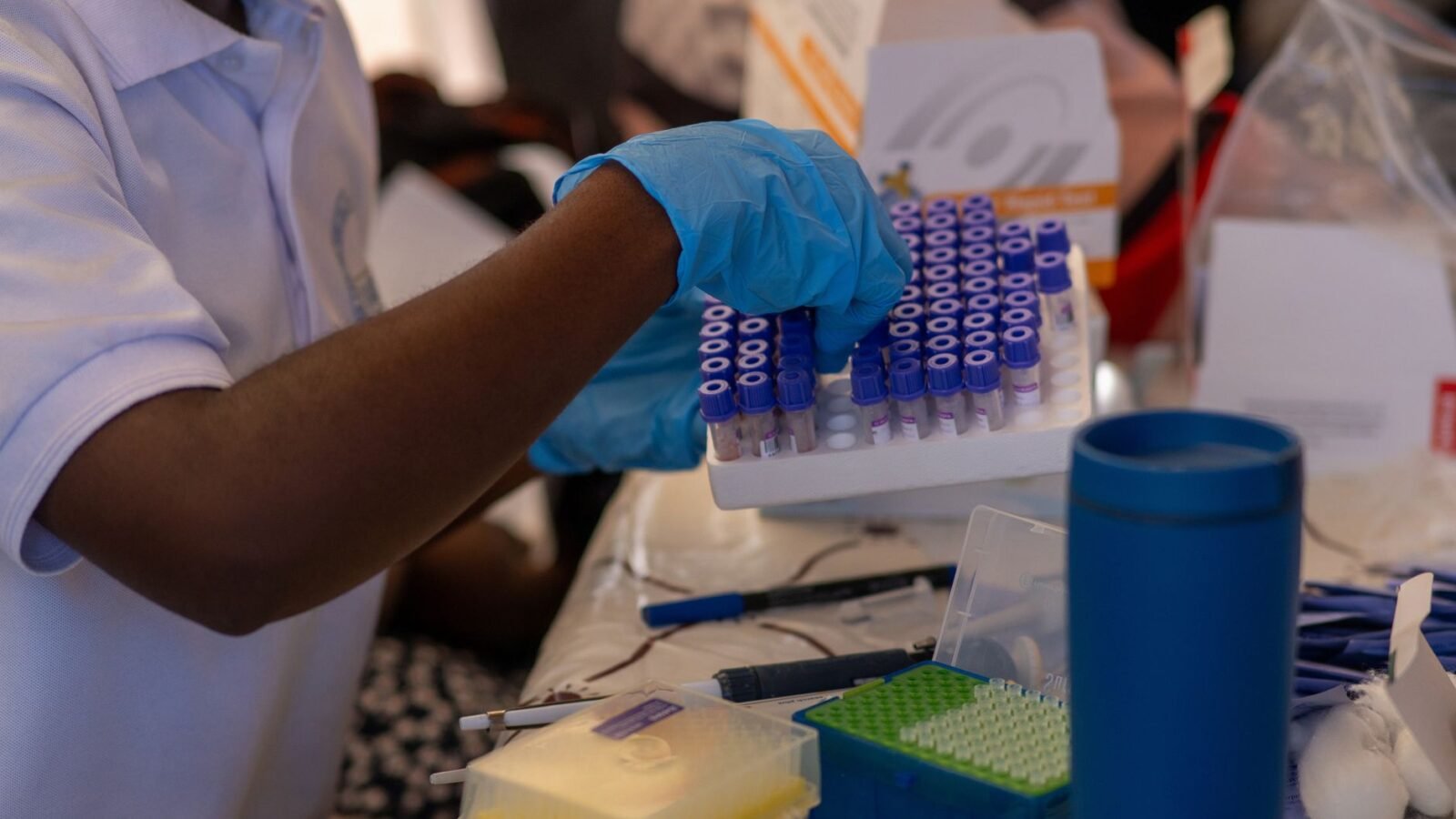
The World Health Organisation (WHO) has confirmed that the recent Ebola outbreak in the Democratic Republic of Congo (DRC) commenced several months prior to its official declaration. Initial cases of the highly contagious viral haemorrhagic fever were reportedly misattributed to common endemic diseases such as malaria and typhoid. This retrospective assessment by the WHO indicates a significant lag in the recognition of a pathogen with high mortality and rapid transmission potential, suggesting a breakdown in the primary detection mechanisms intended to trigger an international health response.
Such a delay carries profound implications, not least for public health. Each month of undetected circulation allows a virulent pathogen to establish deeper community transmission chains, complicate contact tracing, and increase the geographic spread of the disease. The WHO's statement, while an admission of a critical oversight, implicitly frames the incident as a challenge to be addressed, rather than a mere factual update. It forces a re-evaluation of the assumptions underpinning global epidemic preparedness, particularly in regions where healthcare infrastructure is fragile and diagnostic resources are scarce.
Why it is contested
The contestation surrounding this revelation does not centre on the fact of the delay, which the WHO itself has confirmed. Instead, it revolves around the interpretation of its root causes and the allocation of responsibility. One perspective argues that the incident underscores systemic failures within the DRC's domestic health surveillance and diagnostic capabilities. In this view, the misdiagnosis reflects an inherent vulnerability in local healthcare systems, where limited laboratory access and overburdened clinicians might predictably mistake early-stage Ebola symptoms for more prevalent illnesses. The strongest objection to this reading is that it risks absolving international bodies of their role in supporting and scrutinising these very systems, potentially shifting blame unfairly to states with constrained resources.
A counter-argument posits that the delay reflects a broader inadequacy in the WHO's own early warning and verification protocols. If a global health body, with its mandate and resources, cannot detect a significant outbreak of a known pathogen in a high-risk region for months, questions arise about its operational effectiveness. The organisation's role extends beyond mere declaration; it involves proactive monitoring, technical assistance, and capacity building. The strongest objection to this interpretation is that it might overlook the inherent difficulties of operating in complex environments like the DRC, where security challenges, vast distances, and a distrust of external actors can genuinely impede even the most robust surveillance efforts. The distinction between a failure of local capacity and a failure of international support remains acutely contested.
The competing narratives
Two principal narratives emerge to explain the undetected transmission. The first, which we might term the 'Local Capacity Deficit' narrative, attributes the delay primarily to insufficient diagnostic infrastructure and training within the DRC. Proponents of this view point to the high prevalence of malaria and typhoid in the region, arguing that without rapid, accessible, and accurate laboratory testing, clinicians are almost inevitably drawn to the most probable diagnoses, even when rarer, more dangerous pathogens are present. This narrative suggests that strengthening local health systems, through investment in diagnostic tools, epidemiological training, and robust reporting channels, is the paramount solution. Its core assumption is that the primary locus of responsibility for early detection lies with the national health apparatus, with international bodies offering supplementary support.
The second narrative, the 'Global Surveillance Gap' reading, posits that the incident highlights critical deficiencies in the international health security architecture itself, with the WHO as its central pillar. This perspective argues that while local capacity is important, the WHO's mandate requires it to maintain a comprehensive, real-time understanding of disease activity in high-risk zones, irrespective of domestic reporting lags. It suggests that the existing mechanisms for verifying unusual disease patterns, cross-referencing local reports, and deploying rapid assessment teams are either under-resourced or insufficiently agile. This narrative implies that a more proactive, interventionist, and perhaps even independent surveillance capability is required from global health organisations to prevent such prolonged undetected outbreaks. The tension between these two narratives lies in whether the problem is fundamentally one of national resource scarcity or international operational effectiveness.
What to watch next
The immediate focus will be on the WHO's internal review processes and any subsequent policy adjustments aimed at improving early detection. Will there be a push for more decentralised diagnostic capabilities within affected regions, or will the emphasis shift to enhanced international surveillance missions? The specifics of how the WHO proposes to prevent a recurrence will be crucial. Observers should also monitor the rhetoric from donor nations and international health partners: will the response lean towards increased funding for national health system strengthening, or will it advocate for a more direct, perhaps even intrusive, international role in disease surveillance?
Beyond institutional responses, the incident will test the public trust in health authorities, both national and international. The extent to which communities in the DRC, and indeed globally, perceive these organisations as reliable guardians of public health will be critical for future compliance with health directives during outbreaks. The resolution of this outbreak, and how effectively the lessons from this prolonged undetected phase are integrated into future preparedness strategies, will shape the credibility of global health governance for years to come.
The bottom line
The WHO's admission of a months-long undetected Ebola circulation in the DRC is more than a factual correction; it is a profound challenge to the operational assumptions of global health security. It forces a choice between reinforcing national diagnostic autonomy and empowering a more robust, potentially more intrusive, international surveillance apparatus. The question remains whether the global health community can reconcile these competing imperatives to construct a genuinely resilient defence against future epidemics, or if the next outbreak will again expose the vulnerabilities that allowed this one to fester undetected.
Source material: Al Jazeera – Breaking News, World News and Video from Al Jazeera