Gaza Conflict’s Environmental Fallout Transcends Borders
Trending Global
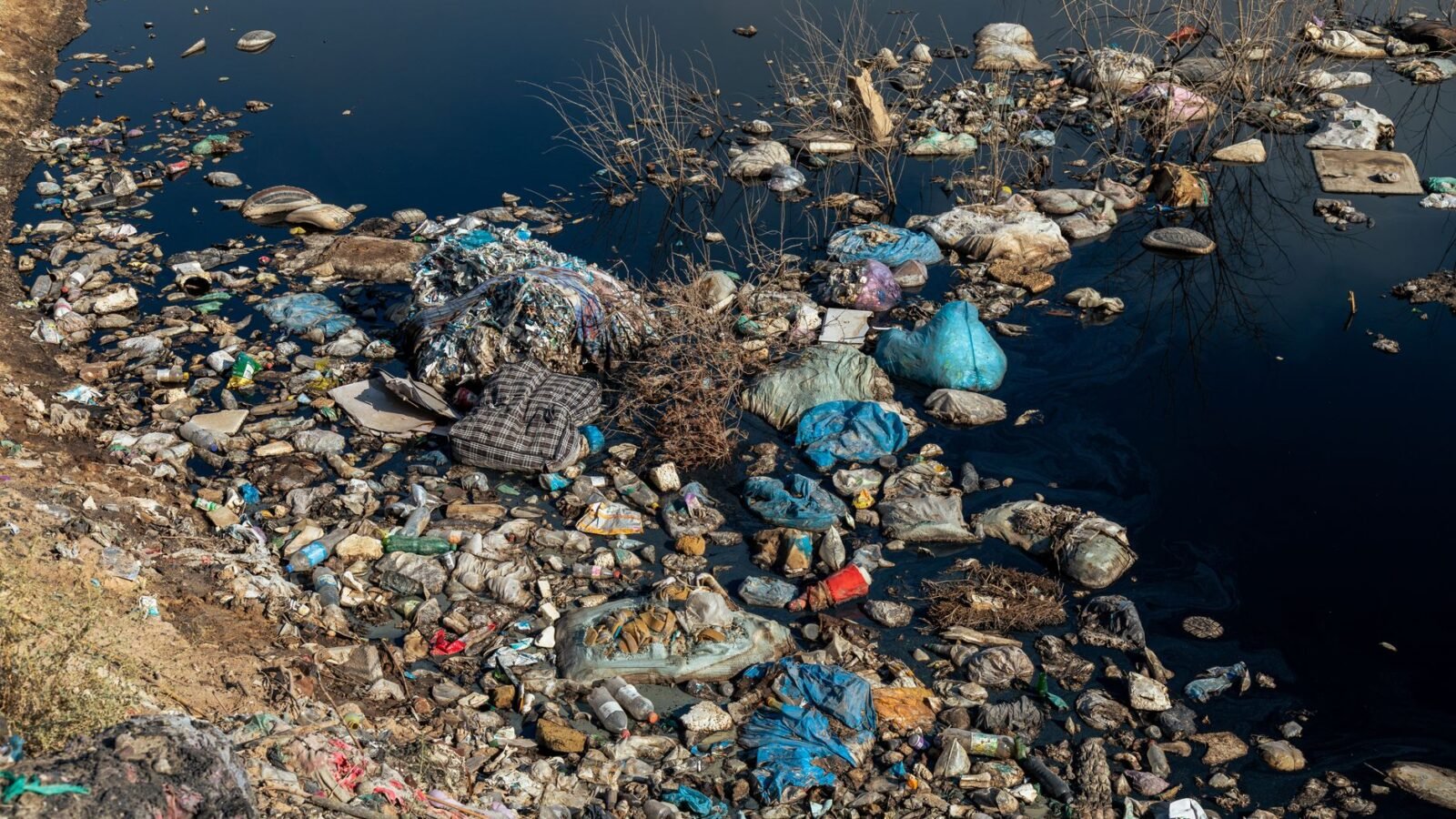
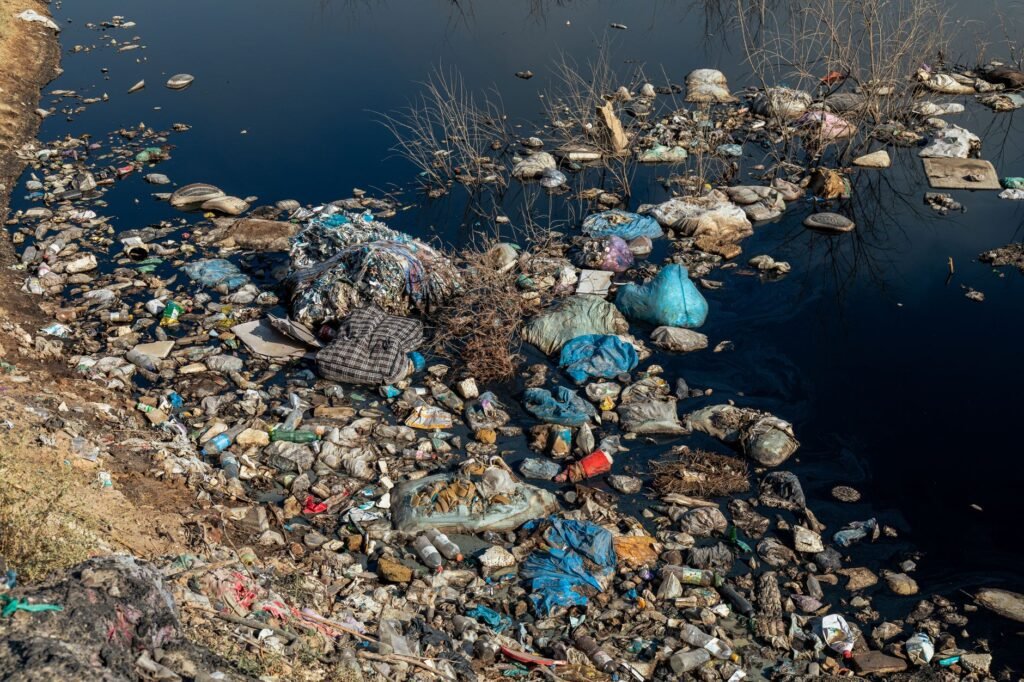
The environmental degradation within Gaza, a direct consequence of sustained conflict, is now demonstrably affecting Israeli territory, challenging the notion of localised impact.
What just happened
The environmental consequences of the prolonged conflict in the Gaza Strip are now extending beyond its immediate geographical confines, with reports indicating a measurable impact within Israeli territory. This development signifies a critical shift in the understanding of conflict's collateral damage; what was previously perceived as an internal environmental crisis within Gaza is now manifesting as a transboundary issue. The specific mechanisms of this spillover, though not fully detailed, are understood to encompass air and waterborne contaminants, as well as ecological disruption that does not respect political borders. This situation suggests that the environmental degradation accumulated over months of intense activity within the Strip has reached a saturation point, or has been mobilised through natural processes, to affect neighbouring areas.
The implications of this ecological migration are substantial. For Israel, it means confronting environmental challenges that are a direct, if indirect, consequence of its own military actions. For the broader region, it underscores the inherent difficulty of containing the multifaceted impacts of modern warfare. The precise nature of the 'toxic waste' described remains to be fully characterised, but the acknowledgment of its cross-border presence fundamentally alters the calculus of environmental security in the Levant.
Why it is contested
The assertion that the environmental fallout from Gaza has reached Israel is contested primarily on two fronts: attribution and significance. While the physical presence of contaminants or ecological disruptions might be observable, establishing a definitive causal link to specific actions within Gaza, as opposed to pre-existing environmental issues or other regional factors, is complex. Scientific methodologies for tracing pollutant origins are sophisticated but can be challenging to apply unequivocally in a conflict zone where data collection is difficult and multiple sources of pollution may exist concurrently.
Furthermore, the significance of this environmental migration is debated. Sceptics might argue that the observed impacts are either minor, transient, or fall within a range of background environmental variability that would not constitute a substantial threat. Conversely, proponents of the claim emphasize that any measurable transboundary environmental impact, regardless of its immediate severity, represents a fundamental failure to contain the conflict's repercussions and signals a deeper, unaddressed ecological crisis with potentially escalating long-term effects. The political dimensions of such claims are also profound, as they directly implicate parties in environmental damage that transcends national boundaries, raising questions of liability and future remediation.
The competing narratives
One prevailing narrative posits that the environmental degradation in Gaza is an inevitable, if tragic, byproduct of sustained conflict, with its transboundary effects representing a natural, albeit unwelcome, consequence of ecological interconnectedness. In this view, the sheer scale of destruction within Gaza, encompassing infrastructure, sanitation, and natural habitats, has created an environmental catastrophe whose effects were bound to extend beyond the Strip. The strongest objection to this reading is that it risks normalising or excusing environmental damage as an unavoidable externality of war, rather than as a potentially avoidable outcome influenced by specific operational choices and post-conflict remediation failures. It may also downplay the long-term health and ecological consequences for all affected populations.
A counter-narrative suggests that the environmental spillover into Israel serves as a stark illustration of the principle that no party can fully insulate itself from the consequences of actions that inflict severe environmental harm on a neighbouring territory. This perspective holds that the 'ecocide' within Gaza, however defined, represents a failure of environmental stewardship and international law, with the cross-border impact serving as a form of feedback mechanism. The primary objection to this view is that it could be perceived as an attempt to politicise natural environmental processes, assigning disproportionate blame without sufficient scientific granularity to differentiate between various sources of pollution or to quantify the precise contribution of conflict-related factors versus other regional environmental stressors. It also risks overlooking the complex interplay of factors that contribute to environmental degradation in any densely populated, conflict-affected area.
What to watch next
The critical question moving forward centres on the scientific validation and quantification of the alleged environmental spillover. Watch for any independent, third-party assessments that attempt to rigorously measure and attribute the source of contaminants or ecological shifts observed in Israeli territory. The methodology and impartiality of such studies will be crucial in determining the credibility of the claims. Furthermore, observe whether this environmental dimension begins to feature more prominently in diplomatic discourse or humanitarian aid efforts, potentially shifting the focus beyond immediate relief to long-term ecological recovery and transboundary environmental cooperation. The response of international environmental organisations will also be key, as they may press for comprehensive assessments and remediation strategies that transcend the immediate political conflict. Finally, any legislative or policy responses from either side addressing these specific environmental impacts would signal a recognition of the issue's gravity.
The bottom line
The reported transboundary environmental impact of the Gaza conflict challenges the conventional understanding of conflict containment. It forces a re-evaluation of how war's ecological footprint is accounted for and whether the long-term environmental security of a region can ever be decoupled from the immediate consequences of hostilities. The question is not merely what has crossed the border, but what it means for the future of environmental responsibility in conflict zones.
Source material: Al Jazeera – Breaking News, World News and Video from Al Jazeera