Gaza’s Future: Contested Sovereignty and Regional Instability to 2030
Strategic Foresight
The ongoing conflict in Gaza establishes conditions for a range of futures, from renewed governance to protracted statelessness.
The starting conditions
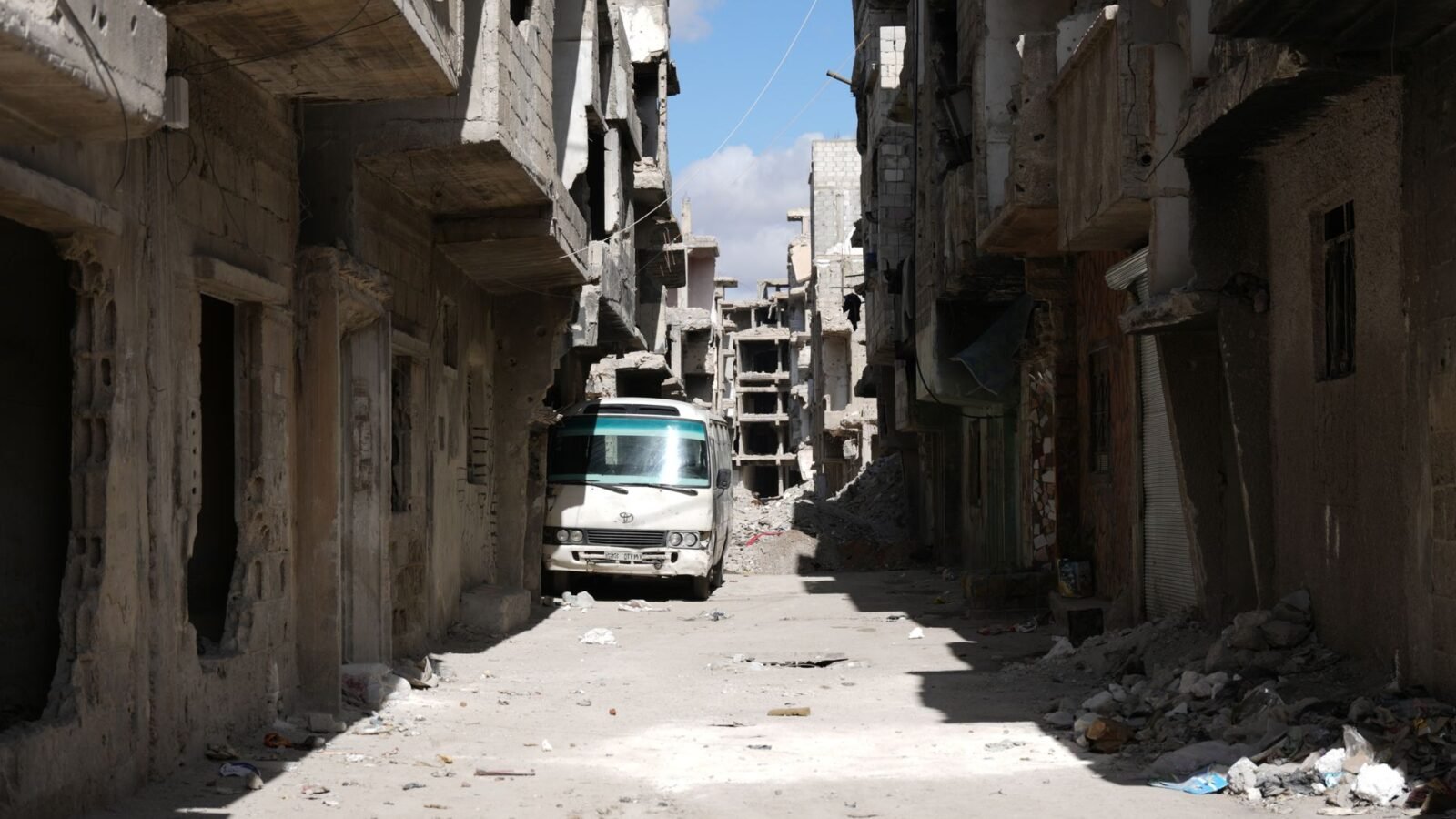
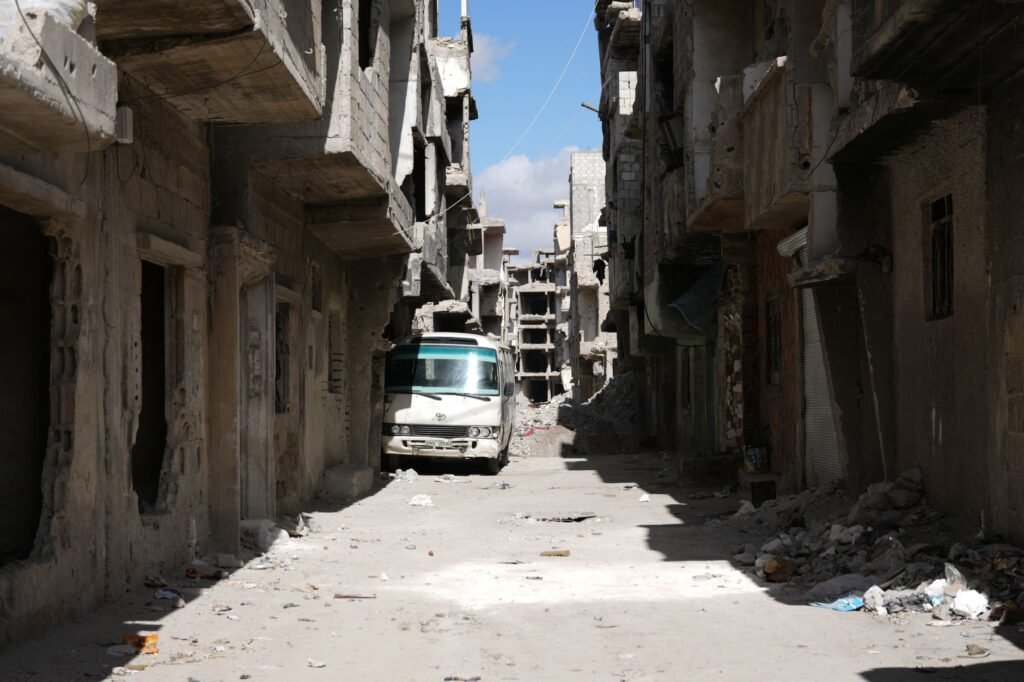
The current humanitarian catastrophe and the scale of destruction in Gaza establish a critical inflection point. The recent mass burials, following weeks of intense military operations, reflect a societal fracturing that will profoundly shape any future governance structures. The pre-existing conditions of blockade, political division between Palestinian factions, and recurrent conflict cycles have been exacerbated to an unprecedented degree. This current state virtually guarantees that a return to the pre-October 2023 status quo is improbable. Instead, the fundamental question for the coming decade revolves around which external or internal actor, or combination thereof, will ultimately exert control over the territory and its approximately 2.3 million inhabitants.
The destruction of infrastructure and the displacement of a significant portion of the population mean that any post-conflict arrangement will necessitate massive reconstruction efforts and a robust humanitarian response. This dependency on external aid, coupled with the profound loss of life, creates a complex environment where political legitimacy will be fiercely contested. The international community's capacity and willingness to engage in long-term stabilisation efforts will be a critical determinant, as will the internal dynamics of Palestinian political leadership and the evolving security doctrine of Israel.
Scenario one: Reconstituted Palestinian Authority governance
Under this scenario, by 2030, a reformed and strengthened Palestinian Authority (PA), potentially with significant international backing, could assume administrative and security control over Gaza. This would necessitate a comprehensive political agreement, likely brokered by international actors, that addresses both security concerns for Israel and governance legitimacy for Palestinians. The PA would need to demonstrate a credible capacity to maintain order, provide essential services, and prevent the re-emergence of militant groups. This scenario presumes a substantial financial commitment from donor states for reconstruction and institutional capacity building, alongside a clear security framework agreed upon by all parties.
The viability of this scenario hinges on several difficult preconditions. Firstly, the PA would need to overcome its current legitimacy deficit, particularly in Gaza, and demonstrate a unified national vision. Secondly, Israel would need to accept a PA security presence, which would require significant trust-building and perhaps new security guarantees. Thirdly, international partners would need to sustain long-term engagement, not merely in funding but also in political and security oversight. If these conditions were met, Gaza could begin a slow process of recovery and integration into a broader Palestinian political entity, however tenuous.
Scenario two: Israeli-led security protectorate
A second plausible future sees Gaza evolving into an Israeli-led security protectorate by 2030, potentially with limited Palestinian civil administration. This scenario posits that Israel's security concerns will ultimately override calls for full Palestinian self-governance in the immediate aftermath of the conflict. Under such an arrangement, Israel would maintain overarching security control, perhaps establishing a buffer zone and retaining freedom of operation within the territory. Palestinian civil administration might be delegated to local councils or non-political bodies, operating under significant Israeli oversight, particularly regarding border controls and resource allocation.
This outcome would likely be characterised by persistent low-intensity conflict and international condemnation, but it could be driven by Israel's perceived need for absolute security control in the absence of a viable alternative. Humanitarian aid would continue to flow, but its distribution and scope would likely be subject to Israeli security clearances. The long-term stability of this scenario is questionable, as it would likely perpetuate a state of occupation, fostering resentment and potentially fuelling future cycles of violence. However, if no credible alternative governance structure emerges, and Israel prioritises security above all other considerations, this outcome becomes a distinct possibility.
Scenario three: Fragmented international administration
The third scenario envisions a fragmented international administration in Gaza by 2030, possibly under a United Nations mandate or a coalition of states. This outcome would materialise if neither the PA nor Israel could establish undisputed, legitimate control, leading to a power vacuum filled by temporary, sector-specific international bodies. Different parts of Gaza might fall under varying degrees of international humanitarian, security, or reconstruction oversight, without a unified sovereign authority. This could involve a demilitarised zone, international peacekeepers, and various non-governmental organisations delivering services in a piecemeal fashion.
Such a scenario would likely be a response to sustained political deadlock and an inability to agree on a single sovereign entity. While it might provide a temporary reprieve from immediate conflict, it would likely entrench Gaza's status as a territory without clear political direction or a path to self-determination. The challenges of coordination among diverse international actors, coupled with the absence of a strong local partner, would render long-term development and political normalisation exceedingly difficult. Gaza would remain a ward of the international community, perpetually reliant on external support and vulnerable to shifts in geopolitical priorities.
Wildcards that would break every scenario
Several high-impact, low-probability events could fundamentally alter the trajectory of Gaza's future, invalidating all current scenario planning. A significant escalation into a wider regional conflict involving major state actors, such as Iran or additional Arab states, would entirely reconfigure the geopolitical landscape, potentially leading to a completely different set of outcomes for Gaza. Similarly, a dramatic shift in the internal politics of Israel, such as a fundamental change in its security doctrine or a public demand for a different approach to the Palestinian question, could open new pathways currently deemed impossible.
Conversely, a major internal political upheaval within the Palestinian Authority, leading to an entirely new leadership structure or a unification of Palestinian factions, could also fundamentally alter the dynamics. Finally, a complete withdrawal of international engagement, or a major global economic crisis that diverts resources and attention away from the region, could leave Gaza in a state of prolonged statelessness and humanitarian crisis far beyond the scope of these scenarios. These wildcards highlight the inherent fragility of any long-term projection in such a volatile region.
Strategic implications
The strategic implications of these scenarios are profound, extending beyond Gaza itself to encompass regional stability and international relations. For Israel, the choice between security control and a viable Palestinian partner will dictate its long-term security posture and its relationship with the international community. For the Palestinian people, the outcome will determine the feasibility of their national aspirations and the conditions of their daily lives for the foreseeable future. For regional actors, the future of Gaza will either be a source of continued instability or a potential pathway to broader normalisation.
International powers face the difficult task of balancing humanitarian imperatives with geopolitical realities, seeking to prevent further escalation while fostering conditions for sustainable peace. The investment in reconstruction, the modalities of security arrangements, and the political will to enforce agreements will all be under intense scrutiny. The unanswered question remains whether the current conflict will ultimately pave the way for a novel political solution, or merely entrench a more complex and protracted state of contested sovereignty.
Scenario matrix
| Scenario | Probability | Confirming trigger |
|---|---|---|
| Reconstituted Palestinian Authority governance with international support | 35% | Formation of a unified Palestinian interim government with explicit PA leadership, endorsed by key international actors, and Israeli agreement to a phased security transfer plan. |
| Israeli-led security protectorate with limited Palestinian civil administration | 45% | Israel maintains significant troop presence and operational control in Gaza for 12+ months post-conflict, alongside the establishment of local Palestinian councils without a central PA security role. |
| Fragmented international administration under UN or coalition mandate | 20% | Deployment of a multinational stabilisation force or UN mission to Gaza, with no single Palestinian or Israeli authority exercising comprehensive control by mid-2025. |
Probabilities are estimates, not certainties. They are published so the forecast can be scored later.
Source material: Al Jazeera – Breaking News, World News and Video from Al Jazeera