Gaza’s Reconstruction: A Test Case for International Accountability
Trending Global
The manual clearing of debris in Gaza highlights the complex and contested landscape of post-conflict reconstruction, challenging conventional notions of aid and state responsibility.
What just happened
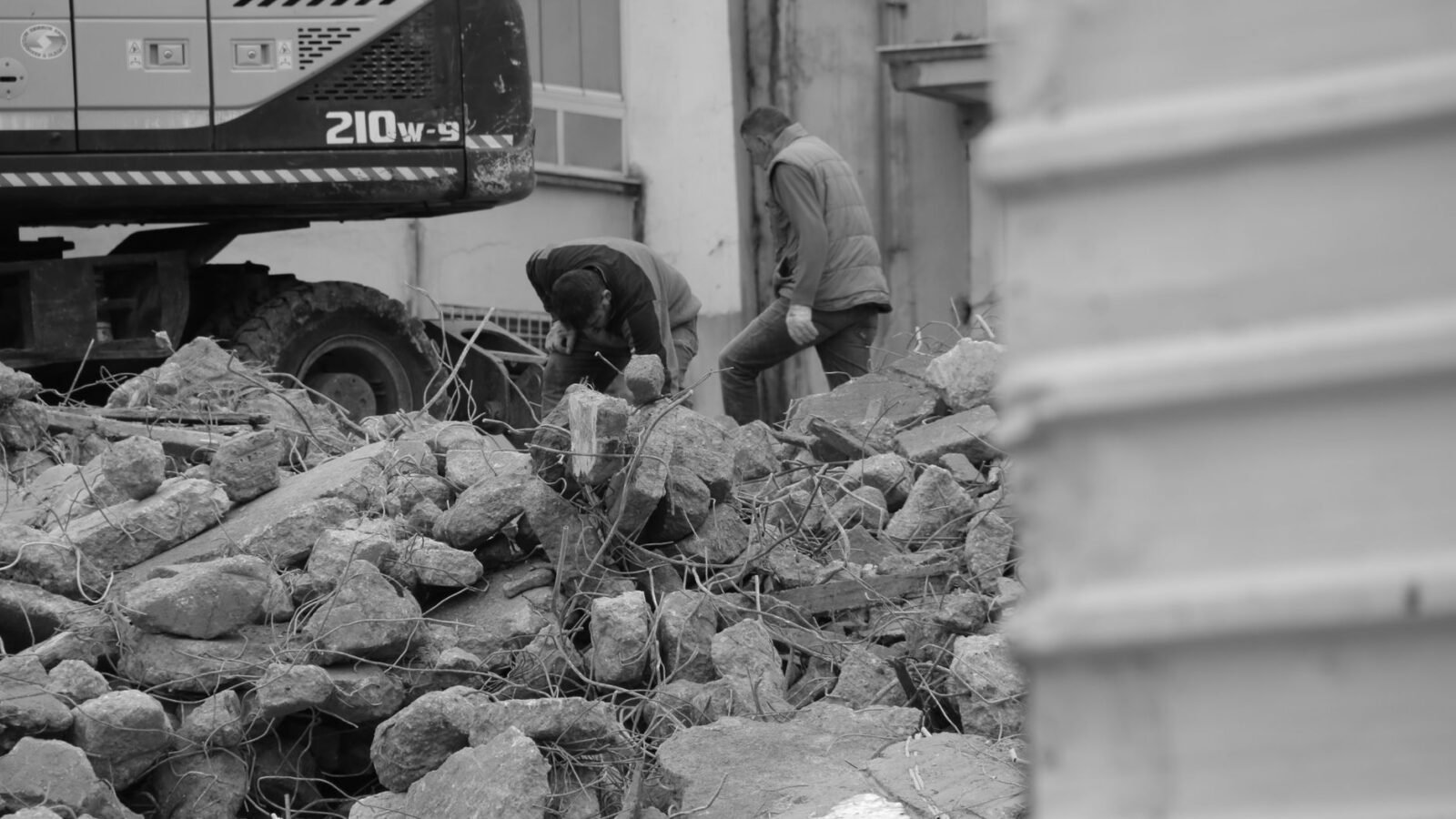
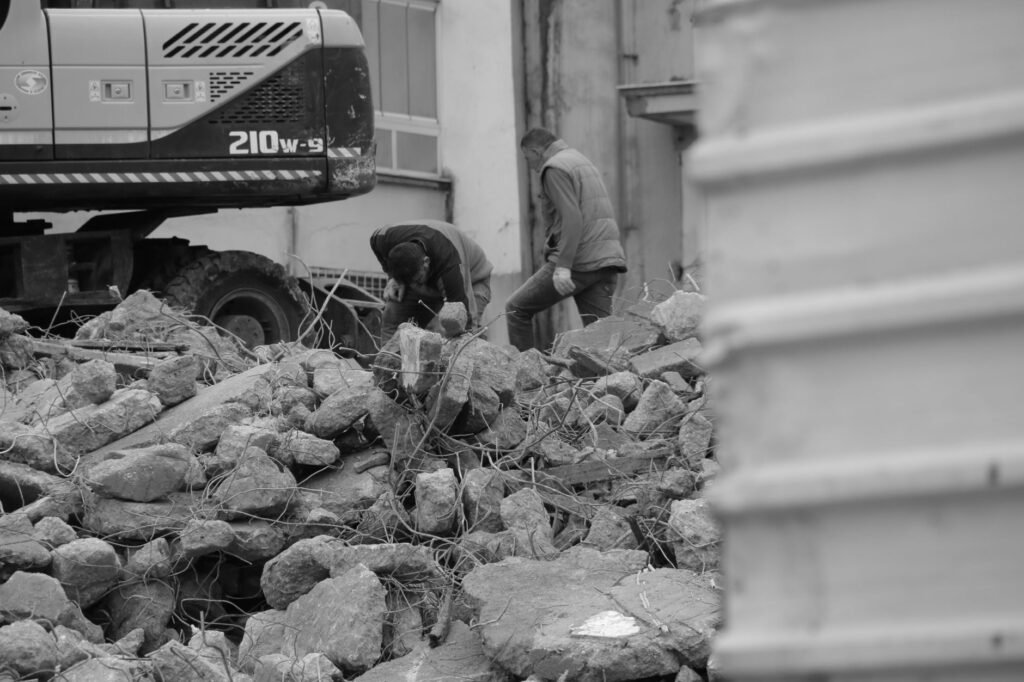
Reports from Gaza depict families undertaking the laborious task of manually clearing the rubble of their destroyed homes, often with basic tools. This reliance on hand labour, rather than heavy machinery, is not merely a consequence of resource scarcity; it signifies a deeper systemic paralysis in the reconstruction effort. The scale of destruction following recent conflicts has overwhelmed local capacities, while external aid mechanisms and material flows remain severely constrained. The immediate implication is a protracted and arduous recovery for civilians, extending the period of displacement and economic hardship. This individual struggle becomes emblematic of a collective failure to implement timely and effective post-conflict rebuilding strategies, trapping affected populations in a cycle of destitution and dependency.
Why it is contested
The act of manual rubble clearing in Gaza, while seemingly a straightforward humanitarian issue, is deeply contested at multiple levels. Firstly, it exposes the inadequacy of current international aid frameworks, which often struggle to transition from emergency relief to comprehensive reconstruction in politically fraught environments. Secondly, it brings into sharp relief the question of accountability: who is ultimately responsible for funding and facilitating the rebuilding process? Competing interpretations arise from various stakeholders, including the de facto authorities in Gaza, the Palestinian Authority, neighbouring states, international donors, and the blockading powers. Each actor presents a distinct claim to responsibility, often deflecting blame or citing insurmountable obstacles. The core of the contention lies in whether the current situation is a failure of humanitarian logistics, a consequence of political will, or an intentional outcome of ongoing geopolitical pressure.
The competing narratives
One dominant narrative frames the situation as a direct consequence of the ongoing blockade, which severely restricts the entry of essential building materials and heavy machinery. Proponents of this view argue that reconstruction cannot commence effectively until these restrictions are lifted, placing primary responsibility on the blockading power to facilitate access. This perspective highlights the humanitarian catastrophe perpetuated by the lack of materials, viewing the manual clearing as a desperate measure forced upon a population denied the means to rebuild. The strongest objection to this reading is that it may understate the internal governance challenges within Gaza itself, including potential diversion of materials or administrative inefficiencies that could also impede reconstruction, even if border access were fully open.
A rival narrative posits that the responsibility for reconstruction rests primarily with international donors and the Palestinian Authority, who are seen as having failed to mobilise sufficient resources or to exert adequate political pressure to ensure the unimpeded flow of aid. This perspective often points to pledges of assistance that have not fully materialised or have been subject to bureaucratic delays. It suggests a lack of robust international coordination and commitment, leaving Gazans to fend for themselves. The most significant counter-argument here is that donor fatigue and the perceived instability of the political environment in Gaza may deter investment, regardless of the stated intentions of international bodies. Furthermore, even with financial commitments, the physical entry of materials remains subject to external controls.
What to watch next
The immediate future of reconstruction in Gaza will be dictated by several critical indicators. Observe the volume and type of building materials permitted entry, particularly cement, steel, and heavy equipment. Any significant increase or shift in these quotas would signal a genuine policy alteration from the blockading power. Second, monitor the allocation and disbursement of international reconstruction funds; delays or diversions will reveal ongoing systemic challenges. Third, attention should be paid to any shifts in regional diplomatic efforts aimed at mediating access or establishing more durable mechanisms for aid delivery. The political permeability of Gaza's borders, both for goods and personnel, remains the primary determinant of progress, or lack thereof. A key question is whether the current manual efforts will galvanise sufficient external pressure to force a change in policy, or if they merely reflect the entrenched reality of a population left to its own devices.
The bottom line
The image of a father and sons clearing rubble by hand in Gaza is more than a snapshot of hardship; it is a stark indicator of a broader failure in post-conflict recovery and international accountability. It compels a re-evaluation of how humanitarian aid interacts with geopolitical realities and whether the current mechanisms are fit for purpose. The underlying tension remains whether the international community can, or will, overcome the political obstacles that prevent effective reconstruction, or if the current state of affairs will persist, leaving a population to rebuild brick by painstaking brick. The question is not merely when the homes will be rebuilt, but what conditions would have to shift fundamentally for such a basic act of recovery to become a collective, rather than an individual, endeavour.
Source material: Al Jazeera – Breaking News, World News and Video from Al Jazeera