H5N1 Spillover to Australian Mammals: A New Epidemiological Frontier
Predictive Analysis
The confirmed H5 avian influenza fatality in an Australian mainland seal marks a significant epidemiological inflection point.
The signal
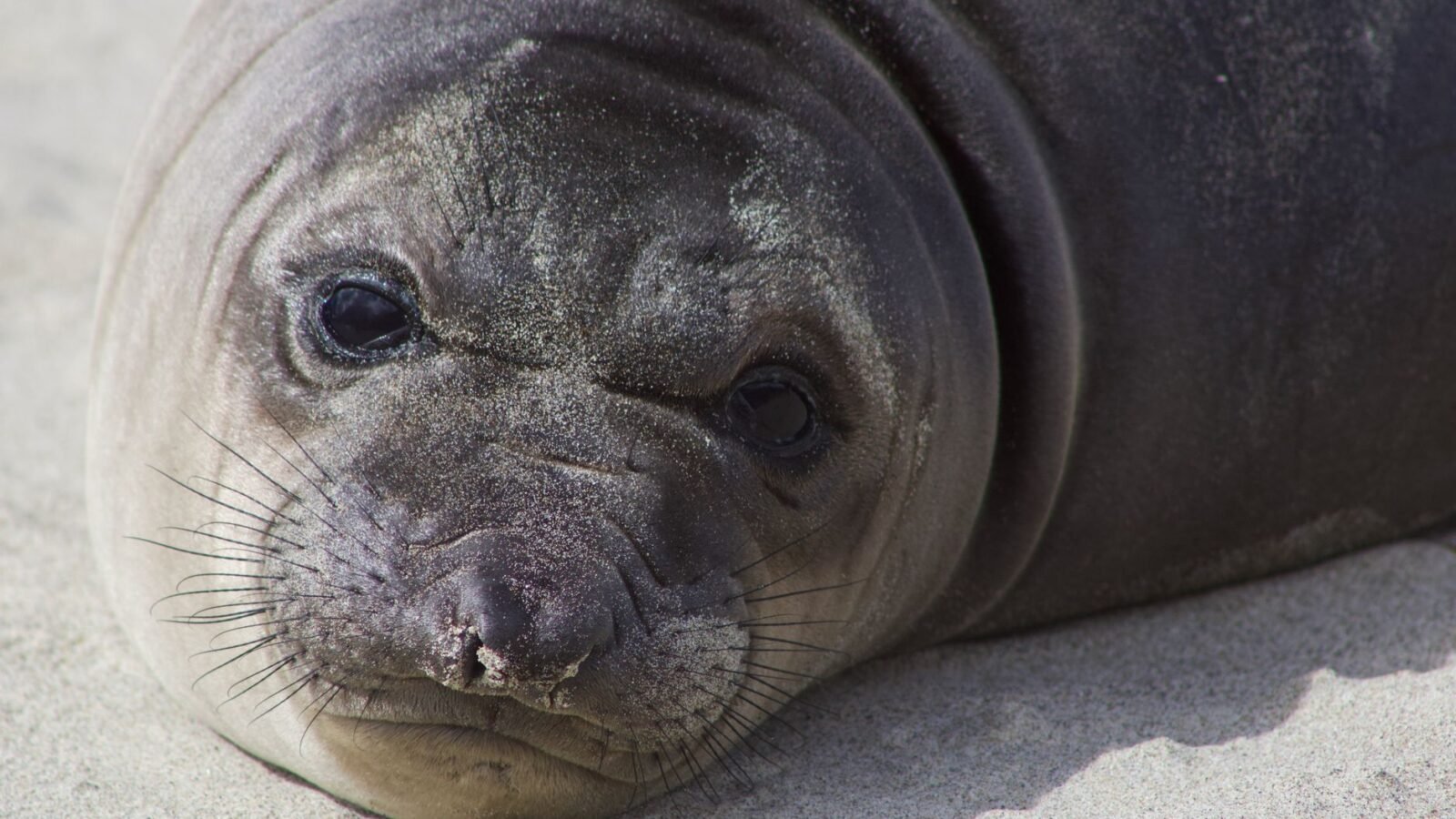
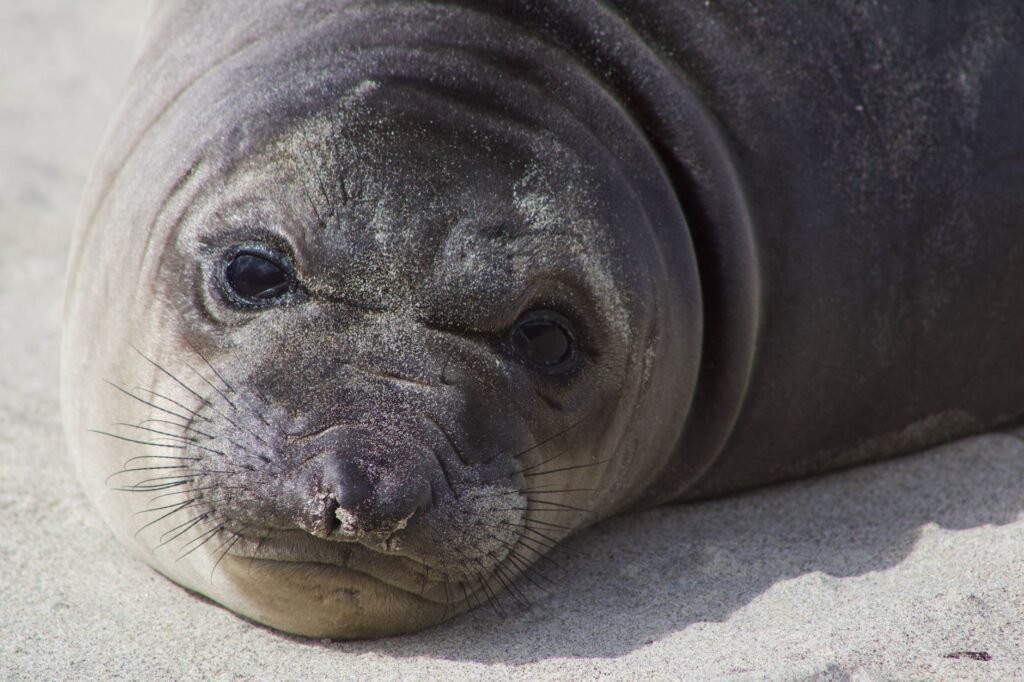
The recent confirmation of H5 avian influenza as the cause of death for a long-nosed fur seal in South Australia constitutes more than an isolated incident; it is a critical epidemiological signal. This event marks the first documented H5 fatality in a mammal on the Australian mainland, following prior mass mortality events in tern populations on offshore islands. While H5N1 has circulated globally for years, causing widespread avian deaths and sporadic mammalian spillover, its confirmed presence and lethality in an Australian mainland mammal fundamentally alters the biosecurity landscape for the continent. Australia's relative geographic isolation has historically offered a degree of protection from such zoonotic incursions. The breach of this natural barrier by a highly pathogenic avian influenza strain, now demonstrably capable of infecting and killing a local marine mammal, suggests a new phase in the virus's adaptive trajectory and geographic reach. The question is no longer if H5N1 will reach Australia's wildlife, but what its sustained presence and potential for novel host adaptation will mean for both endemic species and, ultimately, human health.
The mechanism
The mechanism of transmission to the seal, while not definitively established in public reporting, points to likely environmental exposure to infected avian populations. The preceding mass mortality events among greater crested terns, affecting over 1,000 birds, provide a clear reservoir for the virus within the local ecosystem. Seals, as apex predators and opportunistic scavengers in coastal environments, are highly susceptible to ingesting infected avian carcasses or contaminated water. The subsequent infection of a little penguin on Kangaroo Island further underscores the pervasive environmental presence of the virus in coastal South Australia. What remains unclear, and critically important, is whether this represents a series of individual spillover events from birds to mammals, or if the virus has achieved sustained mammal-to-mammal transmission within the seal population. The latter would signify a more concerning evolutionary step, indicating a greater degree of adaptation to mammalian physiology and potentially increasing the risk of further spillover events to other mammal species, including humans. The current evidence does not rule out either interpretation, leaving a crucial ambiguity regarding the immediate epidemiological threat.
Who gains and who is exposed
In epidemiological terms, there are no 'gains' from a novel pathogen establishing itself in a new geographic area or host population; rather, the exposure is widespread and systemic. The most immediate exposure is to Australia's unique and often vulnerable marine mammal populations, particularly the long-nosed fur seals and the endangered Australian sea lion, both of which have been assessed as facing a very high risk from H5N1. Mass mortality events in pinnipeds have been observed elsewhere globally, demonstrating the severe impact this strain can have. Beyond wildlife, the exposure extends to the agricultural sector, particularly poultry farming, which faces existential threats from highly pathogenic avian influenza outbreaks. Furthermore, the public health infrastructure is now exposed to a new domestic threat, requiring heightened surveillance and preparedness for potential zoonotic transmission to humans. While human-to-human transmission of H5N1 remains rare, each new mammalian host infection offers the virus another opportunity to mutate towards such a capacity. The long-term exposure for Australia includes a re-evaluation of its biosecurity protocols and a potential shift in its perception of geographic isolation as a protective measure against global pathogen spread.
Leading indicators to track
To discern the trajectory of this H5N1 incursion, several leading indicators warrant close monitoring. The most critical is the incidence of further marine mammal mortalities, particularly whether these occur in clusters indicative of mammal-to-mammal transmission. Detailed genetic sequencing of viral samples from infected mammals will be paramount to identify any mutations conferring increased mammalian adaptation. Surveillance must extend beyond seals to other potentially susceptible coastal mammal species, such as native rodents or even feral animals that interact with marine environments. Beyond wildlife, heightened monitoring of poultry farms and backyard flocks in coastal South Australia and adjacent regions for any signs of H5N1 infection will be crucial for early detection of agricultural outbreaks. Finally, public health agencies will need to track any unusual respiratory illness clusters in individuals with direct exposure to marine environments or wildlife, though the immediate risk to humans remains low. The absence of further widespread mammal mortalities or significant genetic shifts would suggest a more contained, bird-driven spillover; conversely, evidence of mammal-to-mammal spread or novel mutations would signal a more profound and concerning epidemiological development.
The twelve-month forecast
The next twelve months will be critical in determining the long-term impact of H5N1's establishment in Australian marine mammal populations. The current situation suggests a localised environmental presence following avian mortality events, but the potential for broader ecological integration remains. The primary uncertainty revolves around the virus's capacity for sustained mammal-to-mammal transmission and its subsequent evolutionary trajectory. Australia's biosecurity apparatus faces the challenge of adapting to a pathogen that has breached its natural defences, requiring a fundamental shift from containment at the border to management within the ecosystem. The question is not whether H5N1 will continue to be detected, but whether it will become an endemic threat to Australia's unique wildlife, and what that implies for the broader risk landscape.
Scenario matrix
| Scenario | Probability | Confirming trigger |
|---|---|---|
| Localised spillover: H5N1 remains primarily an avian pathogen with sporadic, limited spillover events to mammals, without sustained mammal-to-mammal transmission. | 50% | No further clusters of marine mammal deaths, genetic sequencing shows no significant mammalian adaptation, and avian mortalities decrease over time. |
| Endemic mammalian circulation: H5N1 establishes sustained mammal-to-mammal transmission within marine mammal populations, leading to recurrent outbreaks and potential spread to other mammalian species. | 35% | Multiple clusters of marine mammal deaths across different locations, genetic sequencing reveals mutations enhancing mammalian replication, and detection in diverse mammalian hosts. |
| Widespread ecological integration with human health implications: H5N1 achieves widespread endemicity in multiple Australian mammal species, including those with closer human contact, significantly increasing the risk of a novel human-adapted strain emerging. | 15% | Evidence of sustained H5N1 circulation in terrestrial mammals, detection of human cases with no clear avian contact, and genetic sequencing showing markers of human adaptation. |
Probabilities are estimates, not certainties. They are published so the forecast can be scored later.
Source material: World news | The Guardian