Himalayan Flooding: Beyond Disaster Relief to Geopolitical Strain by 2030
Strategic Foresight
The recent Nepal-Tibet border floods are a harbinger of complex geopolitical and environmental challenges for the Himalayan region by 2030.
The starting conditions
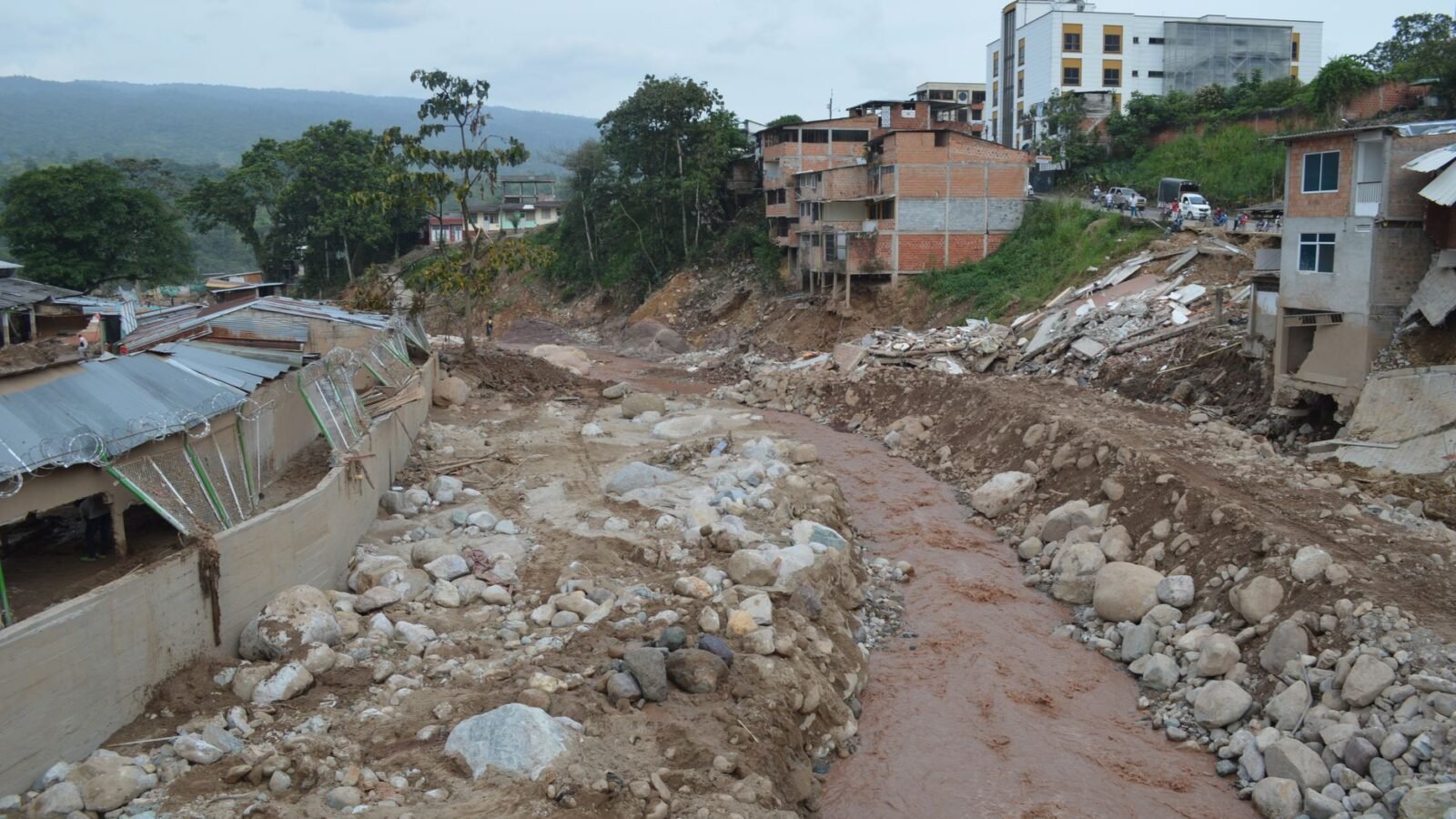
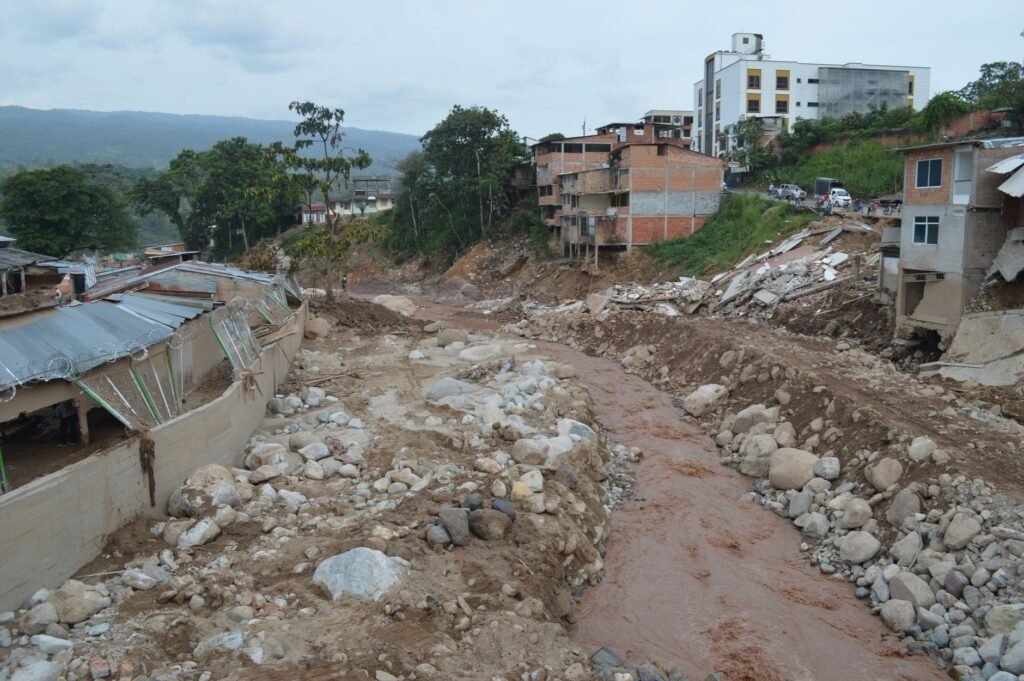
The recent catastrophic flooding and landslides straddling the Nepal-Tibet border, resulting in hundreds dead or missing, represent more than an isolated natural disaster. They are a stark illustration of the accelerating hydrological volatility within the Himalayan ecosystem. This region, often termed the 'Third Pole' due to its vast ice reserves, is undergoing rapid environmental transformation, characterised by glacial melt, altered precipitation patterns, and increased seismic activity. These changes are not merely environmental phenomena; they are emerging as a foundational condition for future geopolitical dynamics across South and East Asia.
The current state is marked by fragmented disaster response mechanisms, often bilateral and reactive, rather than multilateral and preventative. Infrastructure, particularly in Nepal, remains vulnerable to extreme weather events, while Tibet's strategic importance to Beijing underpins a different set of priorities, often focused on control and integration rather than cross-border environmental collaboration. The absence of comprehensive, shared early warning systems and coordinated response protocols magnifies the human and economic toll of each event. This initial condition of environmental stress, coupled with nascent and often competitive regional governance frameworks, sets the stage for a decade of escalating challenges that will test existing diplomatic architectures and potentially reshape alliances.
Scenario one: 'Hydro-Diplomacy and Coordinated Resilience'
In this scenario, the escalating frequency and severity of events like the Nepal-Tibet floods compel regional powers to overcome historical mistrust and establish robust, multilateral frameworks for water resource management and disaster preparedness by 2030. Driven by the undeniable economic and human costs of inaction, China, India, Nepal, and Bhutan might convene a standing 'Himalayan Water Council' or similar body. This council could facilitate real-time data sharing on glacial melt, river flows, and meteorological forecasts, allowing for pre-emptive evacuations and coordinated infrastructure development.
Under this reading, investment would flow into joint early warning systems, cross-border rescue operations, and resilient infrastructure projects designed with a regional rather than purely national scope. For instance, shared flood control dams or interconnected emergency communication networks could be developed, prioritising regional stability over national strategic advantage. While sovereignty concerns would persist, the overwhelming imperative of climate adaptation would foster a new form of hydro-diplomacy, where technical experts and environmental scientists play a more prominent role in policy formulation. This scenario would require a significant shift in political will, particularly from larger upstream nations, to prioritise collective security over perceived zero-sum gains in water control.
Scenario two: 'Unilateral Adaptation and Fragmented Security'
Alternatively, by 2030, the default response to increased hydrological instability could be a retreat into unilateral national strategies, exacerbating regional tensions. Faced with more frequent and intense floods, nations might prioritise domestic infrastructure projects, such as large-scale dams or diversion channels, without adequate consultation or impact assessment on downstream neighbours. China, for instance, could accelerate dam construction on the Brahmaputra (Yarlung Tsangpo) or other transboundary rivers originating in Tibet, citing domestic water security or flood control needs. Such actions, even if technically justified, would inevitably be viewed with suspicion by India and Bangladesh, who depend on these very rivers.
This scenario would likely see a proliferation of smaller, nationally focused disaster response units, potentially leading to a 'fortress mentality' where borders are hardened against climate-induced migration and resource scarcity. Technical data sharing would remain ad hoc and politicised, rather than becoming a routine aspect of regional governance. The absence of a shared vision could lead to competitive infrastructure development, where each nation seeks to secure its own water supply and protect its own population, inadvertently increasing the vulnerability of others. This trajectory would transform environmental challenges into direct geopolitical flashpoints, with water rights becoming a central feature of bilateral disputes and potentially a source of low-level conflict.
Scenario three: 'External Intervention and Great Power Competition'
A third possibility by 2030 involves the persistent failure of regional powers to address the escalating environmental crisis effectively, creating a vacuum that draws in external actors. As humanitarian crises intensify and cross-border environmental degradation becomes acute, international bodies or extra-regional great powers might step in to provide large-scale disaster relief, infrastructure funding, or even mediating services for water disputes. This could manifest as increased funding and operational presence from the United Nations, or more strategically, as a platform for competition between global powers.
For example, the United States, through its development agencies, or Japan, through its robust infrastructure diplomacy, might offer substantial aid packages tied to specific environmental resilience projects, potentially challenging China's established regional influence. This scenario would see the Himalayan region become another theatre for broader geopolitical competition, where environmental aid and disaster response are instrumentalised to gain strategic leverage. While ostensibly beneficial for affected populations, such interventions could complicate existing regional power balances, potentially creating new dependencies or exacerbating proxy rivalries. The effectiveness of these external interventions would hinge on their ability to navigate complex local politics without inadvertently inflaming existing tensions or undermining local agency.
Wildcards that would break every scenario
Several unforeseen developments could fundamentally alter any of these trajectories. A major, unpredicted seismic event in the Himalayan arc, far exceeding recent magnitudes, could trigger widespread and irreparable infrastructure damage, massive population displacement, and catastrophic changes to river systems, rendering existing planning obsolete. Such an event would overwhelm all national and regional response capacities, potentially leading to a complete breakdown of governance in affected areas and a global humanitarian crisis of unprecedented scale.
Conversely, a breakthrough in geoengineering technologies that could reliably and safely stabilise glacial melt rates or modify regional precipitation patterns, if rapidly deployed and internationally accepted, could mitigate the primary drivers of these scenarios. However, the ethical, political, and ecological implications of such technologies are immense and currently unresolved. Furthermore, a sudden, decisive shift in the geopolitical landscape, such as a major power re-alignment or a global economic depression, could redirect resources and attention away from climate adaptation in the Himalayas, leaving the region to grapple with its challenges in isolation, regardless of the severity of the environmental breakdown.
Strategic implications
The strategic implications of escalating Himalayan environmental instability are profound, extending beyond immediate humanitarian concerns. For regional powers, the choice between cooperation and unilateralism in water management will define the security landscape of South Asia. A failure to establish shared governance over transboundary rivers risks transforming vital resources into instruments of geopolitical leverage, potentially escalating from diplomatic disputes to border skirmishes. The flow of water itself could become a strategic asset, with upstream control dictating downstream vulnerability.
For international actors, the region's environmental crisis presents a complex challenge: how to provide necessary humanitarian assistance and foster resilience without inadvertently exacerbating existing rivalries or creating new dependencies. The potential for mass climate-induced migration from the Himalayas further complicates regional stability, posing significant challenges for border management and social cohesion. Ultimately, the question for 2030 is whether the shared threat of environmental degradation will foster unprecedented regional collaboration or catalyse a new era of resource nationalism and great power competition in one of the world's most ecologically vital and strategically sensitive regions.
Scenario matrix
| Scenario | Probability | Confirming trigger |
|---|---|---|
| Hydro-Diplomacy and Coordinated Resilience | 30% | Formation of a standing, high-level multilateral 'Himalayan Water Council' with shared data protocols and joint infrastructure funding commitments by 2026. |
| Unilateral Adaptation and Fragmented Security | 55% | Significant new dam construction on transboundary rivers by China or India without comprehensive prior agreement with downstream nations, alongside increased border militarisation in flood-prone areas by 2027. |
| External Intervention and Great Power Competition | 15% | A major UN-mandated international mission for Himalayan flood relief and infrastructure development, or significant bilateral aid packages from non-regional powers explicitly countering existing regional influence, initiated by 2028. |
Probabilities are estimates, not certainties. They are published so the forecast can be scored later.
Source material: BBC News