Hooghly River Incident Reveals Understated India Infrastructure Risk
Predictive Analysis
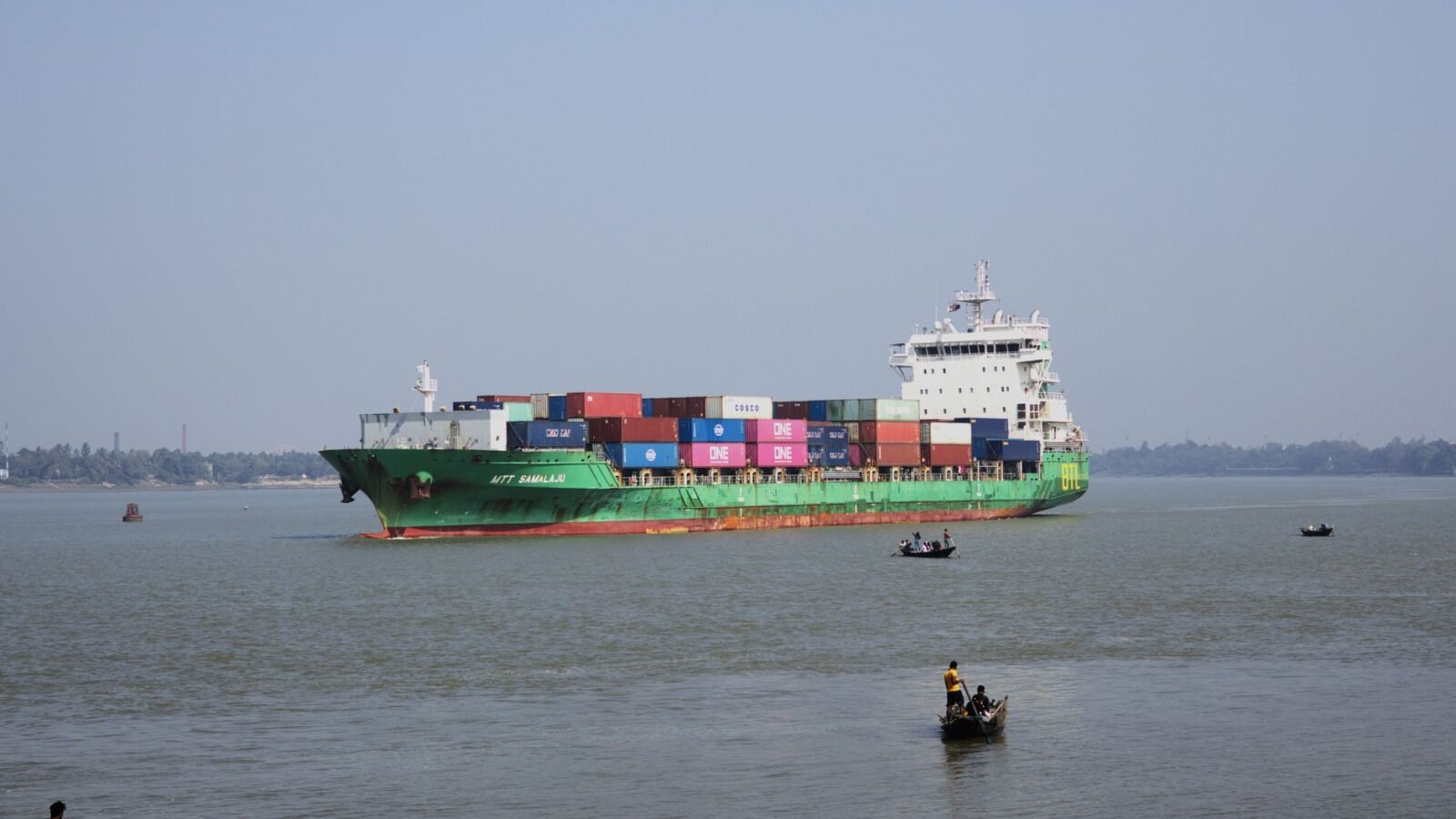
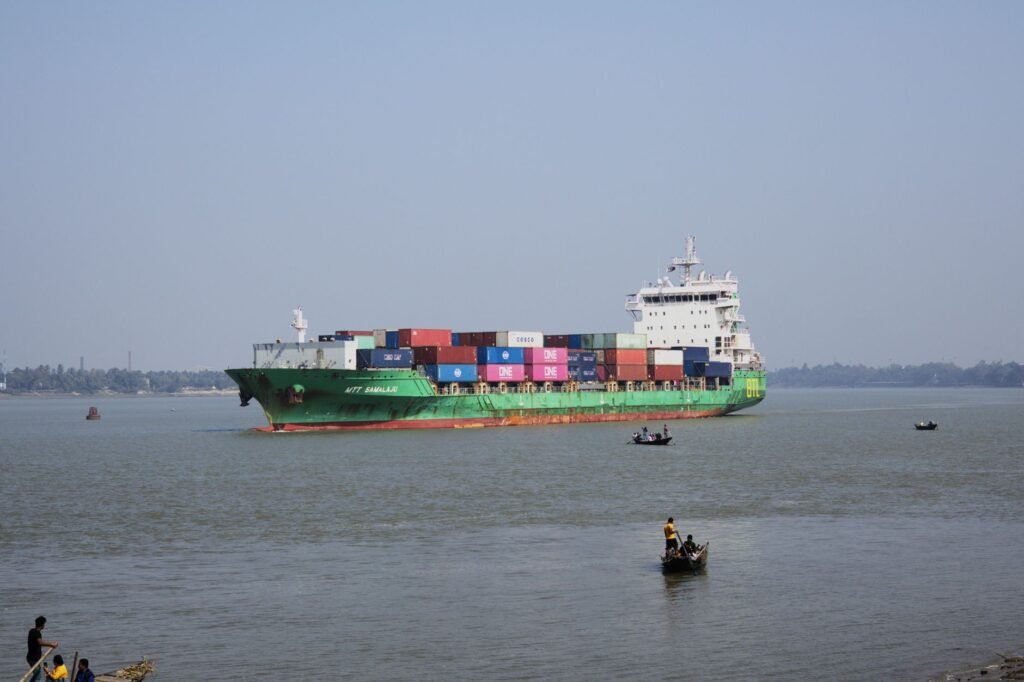
The recent grounding of a container vessel on the Hooghly River highlights systemic risks in India's inland and coastal shipping infrastructure.
The signal
The grounding of a Singapore-flagged container ship on the Hooghly River, while not a global shipping crisis on the scale of a Suez Canal blockage, serves as a potent signal regarding the underlying fragility of regional maritime infrastructure. Isolated incidents often mask systemic issues, and this event, occurring in a critical Indian waterway, invites a closer examination of the operational realities governing a nation aspiring to become a major hub for global manufacturing and trade. The Hooghly, a distributary of the Ganges, connects Kolkata Port – one of India's oldest and only riverine major ports – to the Bay of Bengal. Its navigability is paramount for the economy of Eastern India and its landlocked neighbours. A vessel running aground here, irrespective of the immediate cause, indicates a potential confluence of factors: navigational challenges, channel depth limitations, pilotage complexities, or indeed, the sheer volume of traffic pushing existing infrastructure to its limits. The significance is not in the incident itself, but in what it reveals about the margin for error in a rapidly expanding logistical network.
The mechanism
The mechanism by which such an incident translates into broader economic and logistical implications is multifaceted. Firstly, it exposes the immediate operational vulnerabilities. Any disruption on the Hooghly can create bottlenecks for vessels transiting to and from Kolkata Port, leading to delays, increased demurrage charges, and potential diversions. This has a direct impact on supply chain efficiency for industries reliant on imports and exports through the region. Secondly, it highlights the perennial challenge of channel maintenance. Riverine ports, unlike deep-sea coastal facilities, are highly susceptible to silting, which necessitates constant dredging to maintain adequate draft for larger vessels. A grounding often suggests that either the dredging operations are insufficient, or the navigational aids are not robust enough to guide vessels through dynamic and shallow channels. Thirdly, the incident underscores the human element in complex logistical operations. Pilotage in riverine environments is inherently challenging, requiring deep local knowledge and experience. Any lapse, whether due to fatigue, error, or inadequate training, can have significant consequences. Lastly, and perhaps most importantly, it feeds into the perception of risk. For international shipping lines and insurers, a pattern of such incidents, even minor ones, can lead to increased premiums, reluctance to serve certain routes with larger vessels, or even re-evaluation of investment into the region's maritime sector. This could constrain India's ambitions to expand its coastal and inland waterway network as a cost-effective alternative to road and rail.
Who gains and who is exposed
In the immediate aftermath, salvage operators and marine insurers are the primary actors who gain, as they address the incident and manage its financial fallout. However, in the longer term, the exposure is far more widespread. Shippers and consignees utilising Kolkata Port are directly exposed to delays and increased costs. Businesses operating in Eastern India, particularly those in manufacturing and agriculture, face potential disruption to their raw material imports and finished goods exports. The Indian government and its port authorities are also exposed, as such events can undermine confidence in their ability to manage critical infrastructure and achieve national connectivity goals. On the other hand, competing ports in the region, such as Haldia or Paradip, might see a marginal increase in traffic if shippers seek alternatives, though their capacities and hinterland connectivity present their own limitations. Beyond the immediate commercial implications, the incident also exposes the broader strategic vulnerability of relying heavily on a single, challenging waterway for a significant portion of regional trade. The imperative to diversify and upgrade port infrastructure across the entire coastline becomes more urgent. Those who stand to gain the most from this incident are the advocates for accelerated investment in maritime infrastructure, particularly in advanced dredging technology, navigational systems, and pilot training programmes, as the incident provides a tangible case for increased funding and policy focus.
Leading indicators to track
Several leading indicators will be crucial for assessing the trajectory of India's maritime infrastructure and its resilience to such incidents. Firstly, track the frequency and severity of similar groundings or collisions in major Indian waterways and ports. An increase would suggest systemic issues are deepening. Secondly, monitor government budgetary allocations and actual expenditure on port modernisation, dredging projects, and navigational aid upgrades. A significant uptick in investment, coupled with transparent project execution, would signal a serious commitment to addressing these vulnerabilities. Thirdly, observe the draft restrictions imposed by port authorities and the average turnaround times for vessels at key riverine ports like Kolkata. Worsening metrics here would indicate persistent challenges. Fourthly, follow the sentiment and investment decisions of major international shipping lines regarding their service levels and fleet deployment to Indian ports. Any retrenchment or hesitation to deploy larger vessels would be a negative signal. Finally, track the development and adoption of advanced Vessel Traffic Management Systems (VTMS) and real-time hydrographic survey capabilities. The implementation of such technologies would suggest a proactive approach to enhancing navigational safety and efficiency. The interplay of these indicators will provide a comprehensive picture of whether the Hooghly incident is treated as an isolated event or a catalyst for fundamental change.
The twelve-month forecast
Over the next twelve months, the Hooghly incident is unlikely to trigger a major overhaul of India's entire maritime infrastructure, but it will intensify scrutiny on riverine port operations. The immediate response will focus on incident specific investigations and potential remedial actions for the Hooghly channel. However, the broader challenges of funding, coordinating, and executing large-scale infrastructure projects across diverse geographical and political landscapes will persist. The incident will likely be used by proponents of infrastructure development to underscore the urgent need for investment, but this advocacy will contend with competing budgetary priorities. The fundamental tension between the ambition to scale India's maritime trade and the existing infrastructural constraints will remain. While major disruptions are not anticipated to become commonplace, the risk of localised bottlenecks and operational inefficiencies will continue to be a feature of India's port landscape. The incident serves as a stark reminder that even as global supply chains diversify, the reliability of local choke points can profoundly impact regional and national economic stability. The question is not whether such incidents will recur, but rather the speed and efficacy of the preventative measures implemented in their wake, and whether these measures address symptoms or the underlying structural issues.
Scenario matrix
| Scenario | Probability | Confirming trigger |
|---|---|---|
| Accelerated Investment and Moderate Improvement | 45% | Public announcement of significant, ring-fenced national budget allocation specifically for dredging and navigational aid upgrades for major riverine ports, with clear timelines and accountability metrics, within six months. |
| Status Quo with Localised Remediation | 40% | Investigation concludes with specific recommendations for the Hooghly River, but no broader national policy changes or significant new funding commitments are announced for other vulnerable waterways within the next nine months. |
| Increased Frequency of Minor Disruptions | 15% | Two or more additional minor grounding incidents or significant navigational delays are reported in other major Indian riverine or coastal ports within the next twelve months, without clear evidence of increased investment or policy response. |
Probabilities are estimates, not certainties. They are published so the forecast can be scored later.
Source material: Al Jazeera – Breaking News, World News and Video from Al Jazeera