Hormuz Claims: IRGC Assertions vs. US Blockade Realities
Trending Global
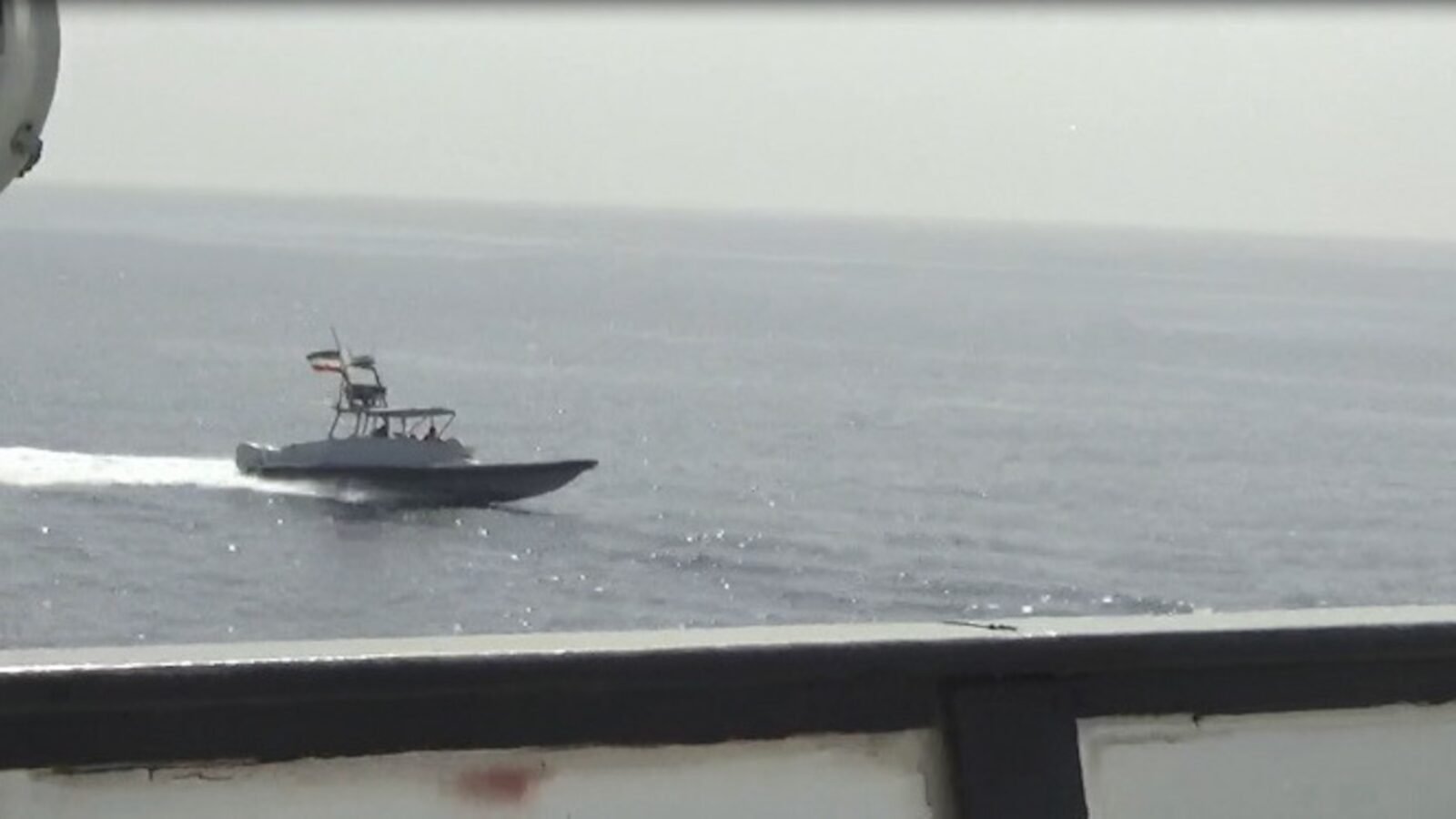
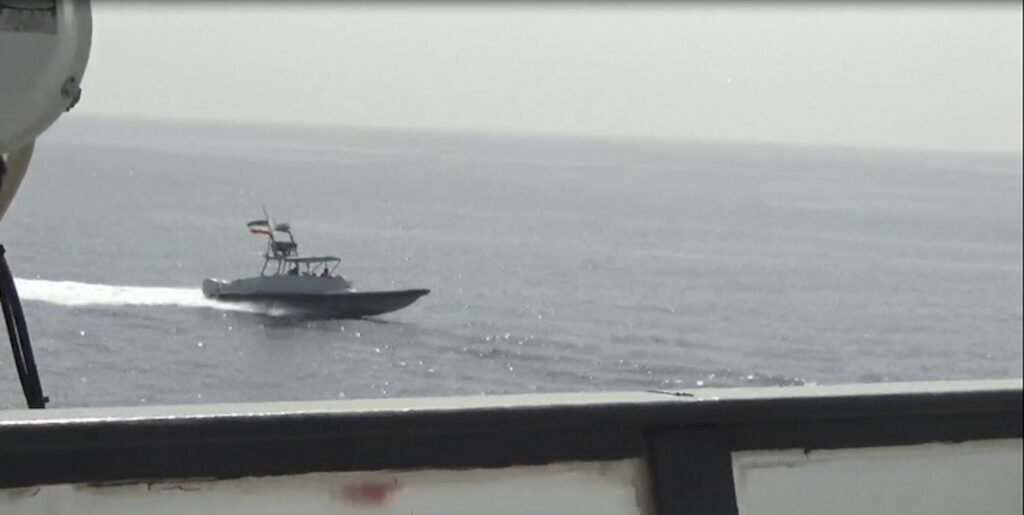
The Islamic Revolutionary Guard Corps' claims of decisive control over the Strait of Hormuz directly challenge the longstanding US naval presence.
What just happened
The Islamic Revolutionary Guard Corps (IRGC) has issued a declaration asserting its decisive control over the Strait of Hormuz. This statement positions the IRGC as the primary arbiter of passage through the critical waterway. Concurrently, the United States Navy maintains its operational posture, enforcing a blockade within the Strait, suggesting a continued assertion of its own authority and presence. The juxtaposition of these two claims creates a direct, public challenge regarding sovereignty and de facto control over one of the world's most strategically significant maritime passages.
Why it is contested
The contestation arises from the fundamental incompatibility of the two assertions. The IRGC's claim of 'decisive control' implies an ability to regulate or deny passage at will, effectively nullifying any external naval authority. Conversely, a US naval blockade inherently signifies an intent and capability to interdict maritime traffic, directly contradicting the notion of unilateral Iranian control. The Strait of Hormuz handles a substantial portion of the world's seaborne oil shipments, rendering any ambiguity over its control a matter of global economic and strategic concern. The primary question is not merely who says they control it, but who can visibly and consistently demonstrate that control through action.
The competing narratives
One prevailing narrative suggests the IRGC's declaration is primarily a rhetorical move, designed to project strength domestically and internationally, rather than a reflection of a substantive shift in operational control. Proponents of this view argue that while Iran possesses capabilities to disrupt shipping temporarily, sustaining 'decisive control' against a major naval power enforcing a blockade is an entirely different proposition, requiring sustained force projection that has not been demonstrably achieved. The strongest objection to this reading is that even a rhetorical claim, if coupled with sporadic interdictions or harassment, can create sufficient uncertainty to disrupt shipping and insurance markets, thereby achieving a strategic effect without full operational control.
An alternative narrative posits that the IRGC's claim, however aspirational, reflects a growing confidence in its asymmetric naval capabilities and a willingness to test the limits of international tolerance. This perspective suggests that Iran may be seeking to establish a new normal, where its regional power is acknowledged through its capacity to challenge established maritime order. The US blockade, in this context, is seen as a reassertion of a status quo that Iran increasingly seeks to dismantle. The strongest objection here is that such a strategy carries immense escalation risks, potentially inviting a more robust international response that could undermine Iran's broader strategic objectives rather than advance them. The observable evidence of actual shipping disruptions or changes in naval patrols would be crucial in validating either perspective.
What to watch next
The critical indicators will be observable changes in maritime activity within the Strait. Any alteration in commercial shipping patterns, such as rerouting or increased transit times, would suggest a tangible impact of the IRGC's claims or the US blockade. The nature and frequency of interactions between Iranian naval assets and commercial or foreign military vessels will also be key. A sustained increase in close encounters, warnings, or attempted boardings by the IRGC would lend credence to its claims of decisive control. Conversely, uninterrupted passage under the supervision of the US or allied navies would reinforce the efficacy of the blockade. The international response, particularly from major energy-importing nations, will also signal how seriously these competing claims are being taken.
The bottom line
The declared 'decisive control' by the IRGC and the ongoing US blockade in the Strait of Hormuz represent a direct, unresolved confrontation over a critical global chokepoint. The immediate question is whether this is a performative assertion of sovereignty or a prelude to a more active challenge to international maritime norms. What remains to be seen is how long the tension between these two claims can be maintained without a tangible shift in either de facto control or international response.
Source material: Al Jazeera – Breaking News, World News and Video from Al Jazeera