Indus Waters Treaty Under Strain: Pakistan’s ‘Red Line’ Warning to India
Strategic Foresight
Pakistan's accusation against India over the Indus Waters Treaty signals a critical juncture for regional stability and resource allocation.
The starting conditions
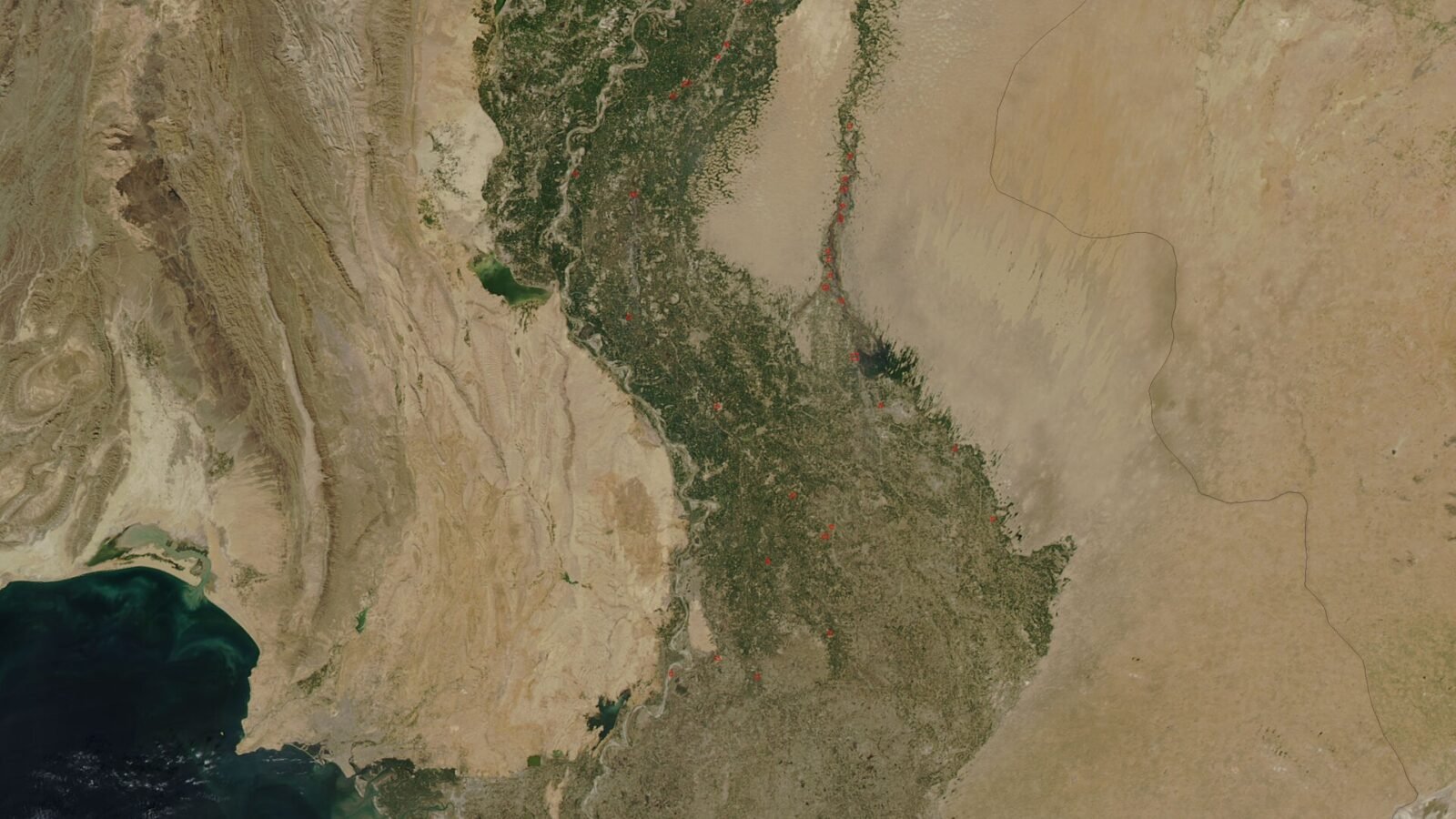
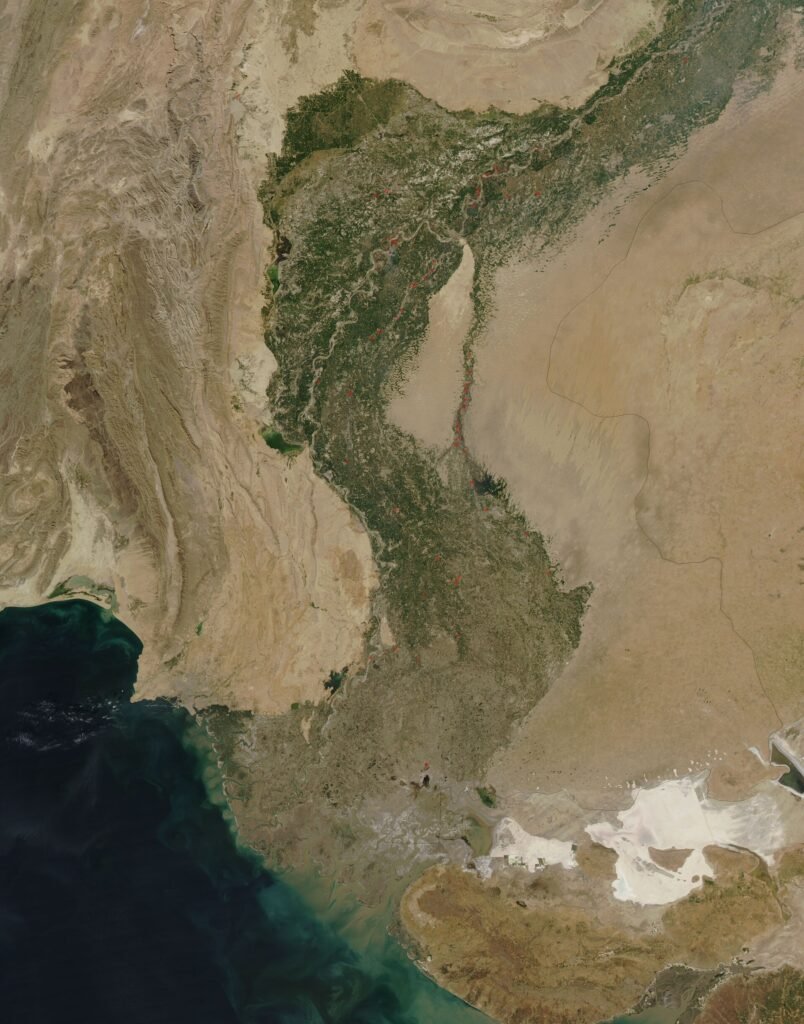
The Indus Waters Treaty (IWT), brokered by the World Bank in 1960, stands as one of the most enduring water-sharing agreements globally, allocating the waters of the Indus River system between India and Pakistan. This arrangement grants India control over the Sutlej, Beas, and Ravi rivers, while Pakistan manages the Indus, Jhelum, and Chenab rivers. The treaty has largely withstood multiple conflicts, serving as a critical, albeit often strained, mechanism for resource allocation in a geopolitically volatile region. However, Pakistan's Prime Minister Shehbaz Sharif recently accused India of illegally suspending the treaty, injecting a new degree of uncertainty into its future.
This accusation, while lacking specific detail regarding the nature or duration of the alleged suspension, fundamentally challenges the treaty's operational integrity. The IWT includes established mechanisms for dispute resolution, including a Permanent Indus Commission, as well as provisions for arbitration. The current rhetoric suggests a potential bypassing or perceived failure of these mechanisms, or a deliberate elevation of the issue to a higher political plane. The underlying pressures on the treaty are multifaceted, encompassing increasing water demand from growing populations, the accelerating impacts of climate change on glacial melt and precipitation patterns, and ongoing geopolitical friction that periodically manifests in resource-related disputes. The question now is not merely whether the treaty holds, but what form its continued operation, or indeed its potential breakdown, might take in the coming years.
Scenario one: Treaty erosion and managed decline
In this scenario, the Indus Waters Treaty, while not formally abrogated, would experience a progressive erosion of its operational principles and enforcement mechanisms. India might continue to assert its rights to develop infrastructure on its allocated western rivers, potentially pushing the boundaries of treaty interpretations regarding 'run-of-the-river' projects or storage capacities. Pakistan, in response, could escalate its diplomatic protests and seek international intervention, but without securing a definitive resolution that fully restores its perceived treaty rights. This trajectory suggests a shift from a clear legal framework to a more ambiguous, de facto arrangement where each party prioritises its national water security interests, often at the expense of mutual trust.
The Permanent Indus Commission might continue to meet, but its effectiveness could diminish, transforming into a forum for registering grievances rather than resolving them. This gradual weakening would allow for a series of minor, localised water disputes to emerge along the border, managed through ad hoc arrangements or lower-level diplomatic channels rather than the overarching treaty framework. The international community, while expressing concern, might find itself unable or unwilling to exert sufficient pressure to fully enforce the treaty's original spirit, particularly if both parties frame their actions as internal water management rather than direct treaty violations. By 2030, the IWT could resemble a skeletal framework, nominally in place but functionally hollowed out, with its primary utility reduced to preventing overt conflict rather than ensuring equitable resource sharing.
Scenario two: Treaty re-negotiation and adaptation
An alternative future could see the current crisis serve as a catalyst for a comprehensive re-evaluation and potential re-negotiation of the Indus Waters Treaty. The existing framework, conceived in a different hydrological and demographic context, may be increasingly seen by both parties as inadequate for addressing contemporary challenges, particularly those posed by climate change. India might leverage its upstream position to advocate for a more flexible, data-driven approach to water allocation that accounts for variable flows and changing demand patterns. Pakistan, while initially resistant to altering a treaty it views as sacrosanct, could eventually recognise the benefits of a modernised agreement that offers greater predictability and safeguards against future unilateral actions.
This scenario would likely involve significant international mediation, potentially led by the World Bank or other multilateral organisations, to facilitate a new dialogue. The re-negotiation process would be protracted and complex, addressing issues such as drought and flood management, data sharing protocols, and mechanisms for joint infrastructure development. The outcome might not be a wholesale replacement of the IWT but rather a substantial amendment or the creation of supplementary protocols that build upon its foundations, adapting it to 21st-century realities. By 2030, a new, more robust, and climate-resilient water-sharing framework could be in place, fostering a degree of cooperation that transcends the immediate water dispute and potentially de-escalates broader bilateral tensions.
Scenario three: Escalation to open water conflict
This more severe scenario posits that the current allegations represent a precursor to a rapid and unmanaged escalation of the water dispute, potentially leading to overt conflict. If India were to undertake significant unilateral actions, such as constructing large-scale dams on the western rivers that substantially reduce Pakistan's water supply, or if Pakistan were to interpret such actions as an existential threat, the diplomatic and legal avenues for resolution could quickly collapse. The 'red line' warning from Pakistan's Prime Minister suggests a low threshold for perceiving violations as intolerable, indicating a potential for rapid and disproportionate responses.
In this trajectory, water denial could become a weaponised element of bilateral strategy, leading to retaliatory measures. This might manifest as increased cross-border military posturing, targeted cyberattacks on water infrastructure, or even limited conventional engagements along the Line of Control. The international community would likely intervene forcefully to de-escalate, but the risk of miscalculation or an unintended escalation spiral would be high, particularly given the nuclear capabilities of both states. By 2030, such a scenario would have severely destabilised regional security, potentially leading to widespread internal displacement, economic disruption, and a protracted state of low-intensity conflict, with the IWT rendered completely defunct.
Wildcards that would break every scenario
Several unforeseen developments could fundamentally alter the projected trajectories. A significant, multi-year drought across the entire Indus basin, far more severe than historical precedents, could render all existing allocations unworkable and force an immediate, radical re-think of water management. Conversely, unprecedented flooding could destroy critical infrastructure in both countries, necessitating urgent, collaborative reconstruction efforts that might unexpectedly foster new avenues of cooperation. A major internal political upheaval in either India or Pakistan, leading to a radical shift in leadership or national priorities, could either exacerbate tensions or create an unexpected opening for reconciliation.
Furthermore, a third-party intervention, such as a highly assertive and coordinated diplomatic push by a consortium of powerful nations or a new international arbitration body with binding authority, could impose a solution that neither country would independently accept. Finally, a breakthrough in water technology, such as highly efficient, scalable, and affordable desalination or atmospheric water generation, could fundamentally alter the strategic value of the Indus system, rendering traditional allocation disputes less critical, though this is a longer-term prospect.
Strategic implications
The future of the Indus Waters Treaty carries profound strategic implications extending beyond bilateral India-Pakistan relations. For regional security, the treaty's erosion or breakdown would introduce a new, potent flashpoint, potentially diverting resources and attention from other critical issues and increasing the risk of miscalculation between two nuclear powers. Economically, predictable water supply is vital for agriculture, industry, and urbanisation in both countries; any disruption would have cascading effects on food security, energy production, and economic stability, potentially triggering mass migrations and internal unrest.
For international law and diplomacy, the IWT has long been cited as a model for transboundary water management. Its failure would cast a shadow over the efficacy of such agreements and the role of international mediation, potentially discouraging future efforts at cooperative resource sharing in other contested basins globally. Conversely, a successful adaptation or re-negotiation could provide a template for other climate-stressed regions. The current 'red line' warning underscores that the status quo is increasingly untenable, forcing a choice between managed decline, collaborative adaptation, or potentially catastrophic escalation. The question remains which path the imperatives of water security and regional stability will ultimately compel.
Scenario matrix
| Scenario | Probability | Confirming trigger |
|---|---|---|
| Treaty erosion and managed decline | 45% | Continued, unsubstantiated accusations of treaty violations by Pakistan, met with dismissive or non-committal responses from India, leading to a sustained lack of progress in formal dispute resolution mechanisms. |
| Treaty re-negotiation and adaptation | 35% | Both India and Pakistan formally agree to engage in comprehensive, internationally mediated talks to review and potentially amend the IWT, explicitly acknowledging climate change impacts as a primary driver. |
| Escalation to open water conflict | 20% | India announces or begins construction on a new, large-scale water diversion project on a western river without Pakistan's consent, leading to Pakistan recalling its ambassador and initiating military exercises near the border. |
Probabilities are estimates, not certainties. They are published so the forecast can be scored later.
Source material: Al Jazeera – Breaking News, World News and Video from Al Jazeera