Lula’s Amazon Oil Bet: A Test of Brazil’s Green Credentials
Predictive Analysis
The discovery of oil near the Amazon's mouth pits Brazil's development ambitions against its critical role in climate preservation.
The signal
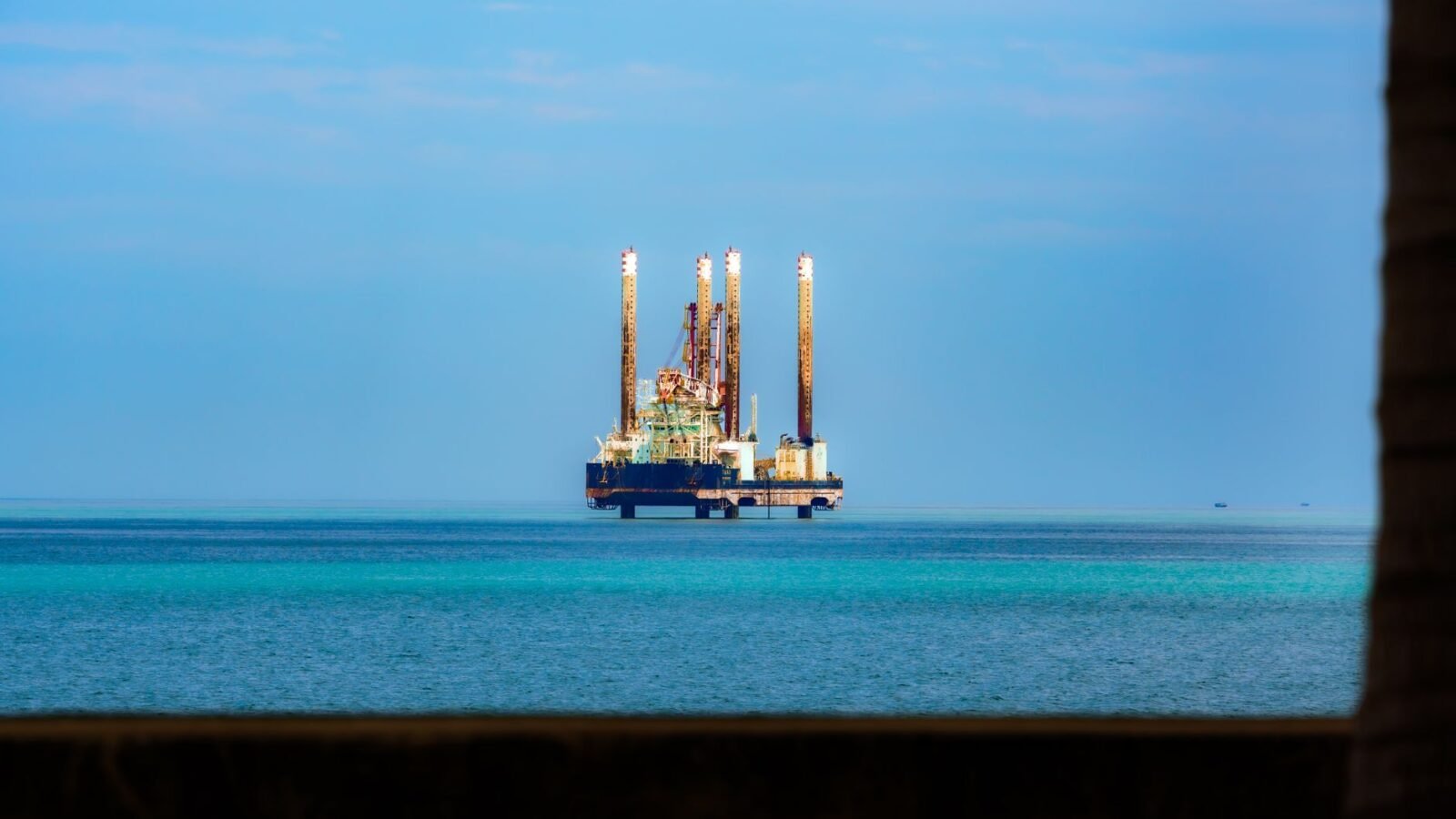
President Lula's public embrace of exploratory drilling off the Amazon's mouth, despite significant environmentalist opposition, serves as a critical signal regarding the operational priorities of his administration. While Lula has consistently championed environmental protection on the international stage, this domestic move suggests a pragmatic, or perhaps opportunistic, recalibration of those commitments when faced with the prospect of substantial hydrocarbon reserves. The signal is not merely that oil exists, but that a globally recognised environmental advocate is willing to entertain its extraction in a highly sensitive ecological zone. This indicates a potential disjunction between Brazil's rhetorical positioning on climate action and its internal economic development strategy, particularly in a region as symbolically and ecologically vital as the Amazon basin.
The political capital expended by Lula to support the drilling implies a calculation that the economic benefits, whether perceived or actual, outweigh the reputational costs and the domestic environmental backlash. This move challenges the prevailing international narrative that Brazil, under Lula, would unequivocally pivot towards green development and stricter conservation. Instead, it suggests a more complex, perhaps contradictory, policy landscape where the pursuit of national economic growth, potentially through fossil fuel expansion, can coexist with, or even supersede, explicit environmental pledges. The signal, therefore, is one of strategic ambiguity, forcing observers to question the depth and resilience of Brazil's stated environmental agenda.
The mechanism
The mechanism by which this discovery could reshape Brazil's trajectory involves a direct confrontation between regulatory authority, economic imperative, and political will. The initial exploratory drilling is merely the first step; commercial viability hinges on further geological assessment and, crucially, regulatory approval for full-scale extraction. Brazil's environmental agency, IBAMA, holds significant sway in this process. Its decision will be the primary mechanism through which the immediate future of this oil field is determined. A swift approval would indicate a top-down political directive overriding environmental concerns, while a protracted review or outright rejection would signal a degree of institutional independence and a commitment to environmental safeguards.
Beyond IBAMA, the broader mechanism involves the potential for increased state-backed investment in oil infrastructure, job creation narratives, and the revenue streams promised by hydrocarbon exports. These economic levers can exert immense pressure on political decision-makers to favour development over conservation, particularly in a nation facing persistent economic challenges. The interplay between state oil company Petrobras, the Ministry of Mines and Energy, and the Ministry of Environment will be critical. Should the economic potential prove substantial, the mechanism for progression would likely involve a concerted effort to streamline regulatory processes, potentially reinterpreting environmental impact assessments to facilitate extraction. Conversely, sustained and intensified domestic and international pressure could strengthen IBAMA's hand, forcing a more cautious approach or even a moratorium on further development. The ultimate mechanism will reveal whether Brazil's institutional checks and balances can withstand the gravitational pull of a significant resource discovery.
Who gains and who is exposed
The primary beneficiaries of a commercially viable oil discovery would be the Brazilian state, through increased tax revenues and royalties, and Petrobras, which would see its asset base and future earnings potential expand. Local communities in the vicinity of the drilling, particularly those in less developed regions, might see short-term employment opportunities and infrastructure investment, albeit often at the cost of environmental disruption and social displacement. Internationally, any new significant oil supply would provide marginal relief to global energy markets, potentially benefiting importing nations seeking diversified sources.
Conversely, the exposure is widespread and profound. Brazil's international reputation as a leader in environmental protection, painstakingly rebuilt under Lula, stands exposed to significant damage. This could manifest as reduced foreign investment in sustainable initiatives, increased scrutiny from climate-focused financial institutions, and a weakened negotiating position in international climate forums. Domestically, indigenous communities and traditional populations in the Amazon basin face heightened exposure to ecological damage, including oil spills, habitat destruction, and the broader impacts of industrialisation on fragile ecosystems. Environmental organisations, both national and international, are exposed to a significant setback in their efforts to protect the Amazon. Finally, the global climate is exposed to increased greenhouse gas emissions, undermining collective efforts to limit warming. The tension lies in the unequal distribution of gains and exposure: concentrated economic benefits for a few entities versus diffuse, potentially catastrophic environmental costs for many.
Leading indicators to track
Several leading indicators will signal the trajectory of this situation. The most immediate is the official decision from IBAMA regarding the environmental licensing for further exploratory or commercial drilling. Any signs of political interference in this process, or an unexpectedly swift approval, would indicate a strong governmental push for extraction. Conversely, a prolonged review period or a demand for more stringent environmental safeguards would suggest a more cautious approach. Statements from senior government officials, particularly those from the Ministry of Environment and the Ministry of Mines and Energy, detailing timelines or policy shifts, will also be crucial.
Another key indicator is the level and nature of domestic public protest and international diplomatic pressure. A sustained and vocal opposition from environmental groups, coupled with expressions of concern from key international partners or multilateral organisations, could force a reconsideration. Economic indicators, such as any revised projections for Brazil's national oil output or state revenue, will offer insights into the perceived economic imperative driving the decision. Finally, the rhetoric employed by Petrobras regarding its investment plans and operational capabilities in the region will reveal the company's confidence and strategic direction. A commitment to significant capital expenditure in the Amazon would be a strong signal of intent.
The twelve-month forecast
Over the next twelve months, the critical juncture will be IBAMA's definitive ruling on the environmental permits. The Lula administration will face intense pressure to balance economic aspirations with its stated environmental agenda. The outcome will likely hinge on the perceived scale of the oil discovery and the political will to either champion its development or halt it.
Should the discovery prove substantial, the economic incentive could override environmental concerns, leading to a contentious but ultimately favourable decision for extraction. This would redefine Brazil's role in global climate politics, shifting it from a potential leader to a nation balancing resource exploitation with conservation. Conversely, a strong pushback from environmental agencies and international actors could force a more cautious, or even prohibitive, stance, preserving Brazil's green credentials but potentially foregoing significant state revenue. The next year will reveal which of these forces ultimately prevails in shaping Brazil's energy and environmental future.
Scenario matrix
| Scenario | Probability | Confirming trigger |
|---|---|---|
| Accelerated Development with Environmental Compromises: Brazil prioritises rapid development of the oil field, leveraging potential revenues for economic growth. Environmental impact assessments are streamlined, and IBAMA's approval is granted, albeit with some mitigation measures. International criticism intensifies, but Brazil proceeds, citing national sovereignty and development needs. | 50% | IBAMA grants full environmental licensing for commercial drilling within six months, accompanied by public statements from Lula's administration emphasising economic benefits and downplaying ecological risks. |
| Stalemate and Protracted Review: Intense domestic and international pressure, coupled with internal divisions within the government and environmental agencies, leads to a prolonged regulatory review process. IBAMA demands extensive additional studies and imposes significant conditions, effectively delaying or indefinitely postponing commercial extraction. The project becomes a political football, with no clear resolution within the twelve-month window. | 35% | IBAMA announces a requirement for new, comprehensive environmental impact studies that will take at least 18-24 months to complete, and Lula's administration avoids making strong public commitments either way for an extended period. |
| Conservation Priority and Halt to Development: The Lula administration, under severe international and domestic pressure, ultimately decides against commercial extraction in the Amazon's mouth, citing the ecological sensitivity of the region and Brazil's commitment to climate goals. This would involve IBAMA either rejecting the license or imposing conditions so stringent as to make extraction economically unfeasible. Brazil reaffirms its leadership in environmental conservation. | 15% | IBAMA issues a definitive rejection of the commercial drilling license, or Lula's administration publicly declares a moratorium on oil exploration in the Amazon basin, within the next nine months. |
Probabilities are estimates, not certainties. They are published so the forecast can be scored later.
Source material: BBC News