Mass Weddings in Nigeria: State Intervention or Symptom of Economic Distress?

Trending Global
The Nigerian government's mass wedding initiatives, ostensibly to ease financial strain, raise questions about their true impact on economic hardship.
What just happened
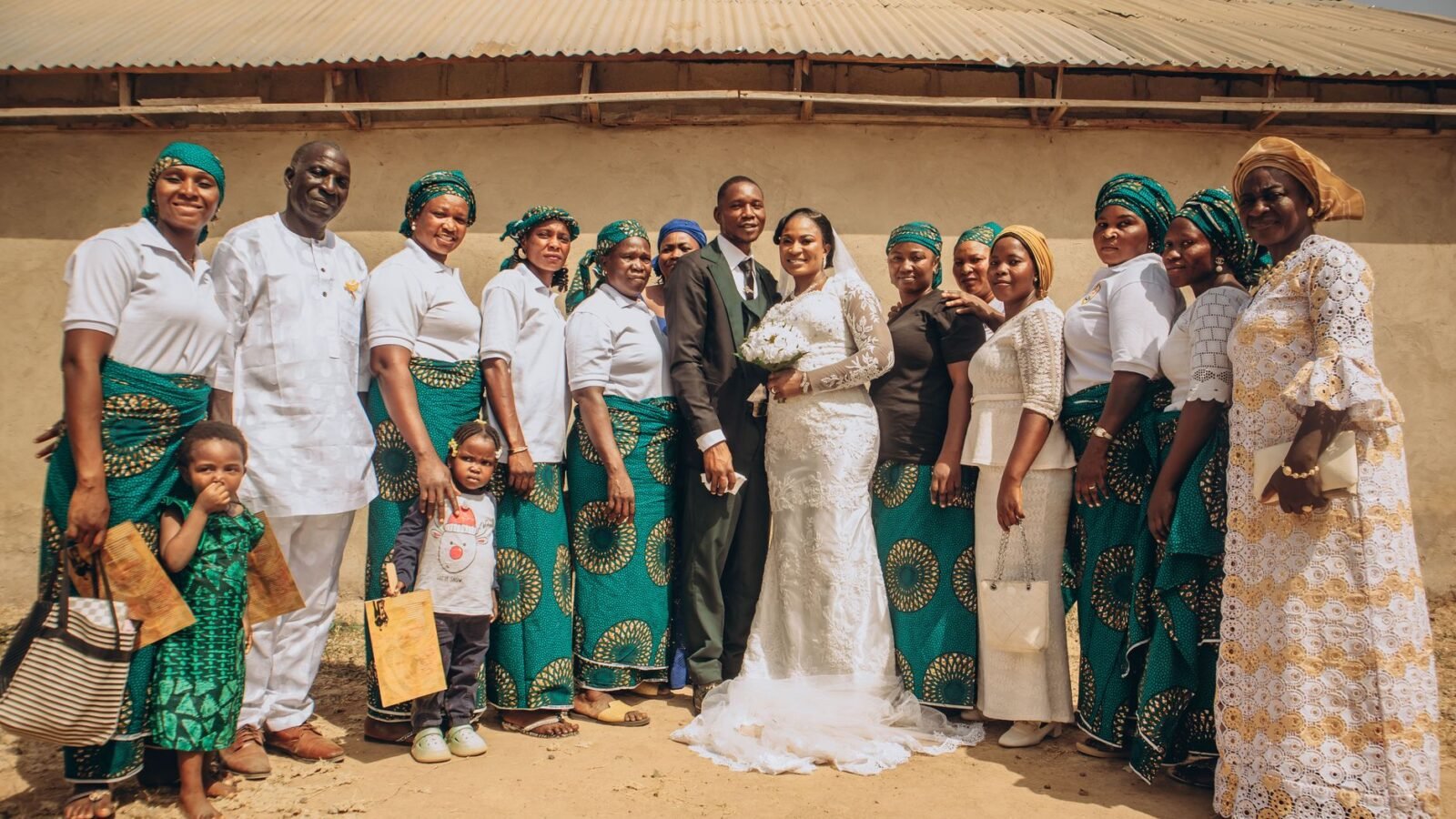
In a notable departure from conventional social policy, the Nigerian government has been actively organising and subsidising mass wedding ceremonies for couples from low-income backgrounds. The stated objective is to mitigate the substantial financial outlay typically associated with traditional Nigerian weddings, which often include elaborate ceremonies, extensive guest lists, and significant material exchanges. By centralising and streamlining these events, the authorities aim to remove a key barrier to formalising unions for those who might otherwise be unable to afford it, thus addressing a specific dimension of economic pressure on families.
Why it is contested
The initiative, while framed as a benevolent social welfare measure, has quickly become a point of contention within Nigeria and among international observers. Its critics argue that while the immediate financial relief for participating couples is undeniable, the policy risks normalising, rather than resolving, the underlying economic distress that necessitates such interventions. The debate centres on whether the state's role should be to alleviate the symptoms of poverty through direct, albeit unconventional, social provisions, or to focus on more fundamental structural reforms that would empower citizens to meet such societal expectations independently.
The competing narratives
One dominant interpretation frames the mass weddings as a pragmatic and compassionate response to acute economic hardship. Proponents argue that in a context where inflation and unemployment have severely eroded purchasing power, the government is providing a tangible benefit that promotes social cohesion and family stability. For many, the cost of marriage is prohibitive, leading to delayed unions or informal cohabitation, which can carry social stigmas. By facilitating these ceremonies, the government is seen as enabling a fundamental social rite that would otherwise be out of reach, thereby bolstering communal well-being and reducing individual stress. The strongest objection to this view is that it risks infantilising the populace, implying that citizens require state assistance for basic life events rather than having the economic agency to manage them themselves. It also deflects attention from the systemic failures that create such widespread financial precarity.
A counter-narrative, however, posits that these mass weddings are less a solution and more a vivid illustration of profound economic malaise and a potential misallocation of state resources. From this perspective, the government's intervention in private social ceremonies, however well-intentioned, signifies a failure to address the root causes of poverty: inadequate job creation, persistent inflation, and a lack of robust social safety nets. Critics contend that while individual couples benefit, the policy does not enhance long-term economic prospects or empower citizens to escape poverty. Instead, it might inadvertently signal a state willing to provide superficial relief rather than tackle the deeper structural issues required for sustainable economic development. The most potent counter to this argument is that it offers no immediate alternative for those currently facing these specific financial barriers. While structural reform is vital, it is a long-term project; the mass weddings offer immediate, if limited, relief for a pressing social need.
What to watch next
The immediate future will reveal whether this policy expands in scope or remains a localised initiative. Key indicators will be the frequency and scale of future mass weddings, and whether other regions or levels of government adopt similar programmes. Crucially, observers will be looking for any accompanying economic policies that aim to address the underlying financial vulnerabilities that necessitate these interventions. The absence of such parallel reforms would strengthen the argument that the mass weddings are primarily a palliative measure rather than part of a comprehensive strategy for economic uplift. Conversely, if the programme is integrated into broader social welfare frameworks, it could signal a more deliberate, if unconventional, approach to social support.
The bottom line
The Nigerian government's mass wedding initiative serves as a stark illustration of the tension between immediate social relief and long-term economic reform. While it undeniably offers a practical solution for low-income couples facing prohibitive wedding costs, its deeper implications for state responsibility and the perception of economic wellbeing remain open to interpretation. Does this policy represent a compassionate state responding to its citizens' immediate needs, or does it inadvertently highlight a failure to provide the economic conditions where such interventions would be unnecessary?
Source material: Al Jazeera – Breaking News, World News and Video from Al Jazeera