Nepal Floods Reveal State Capacity Deficits Amid Climate Strain
Predictive Analysis
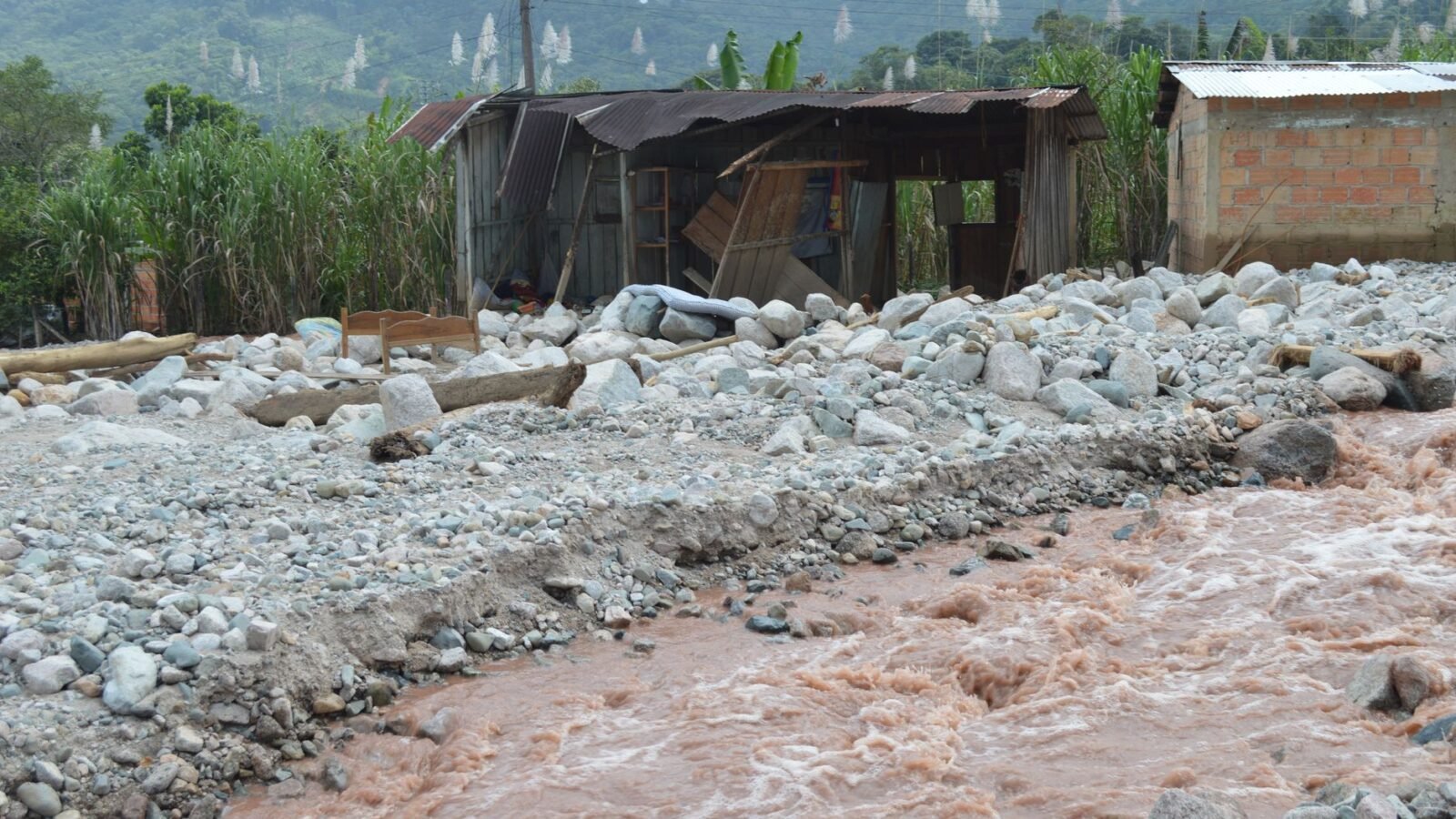
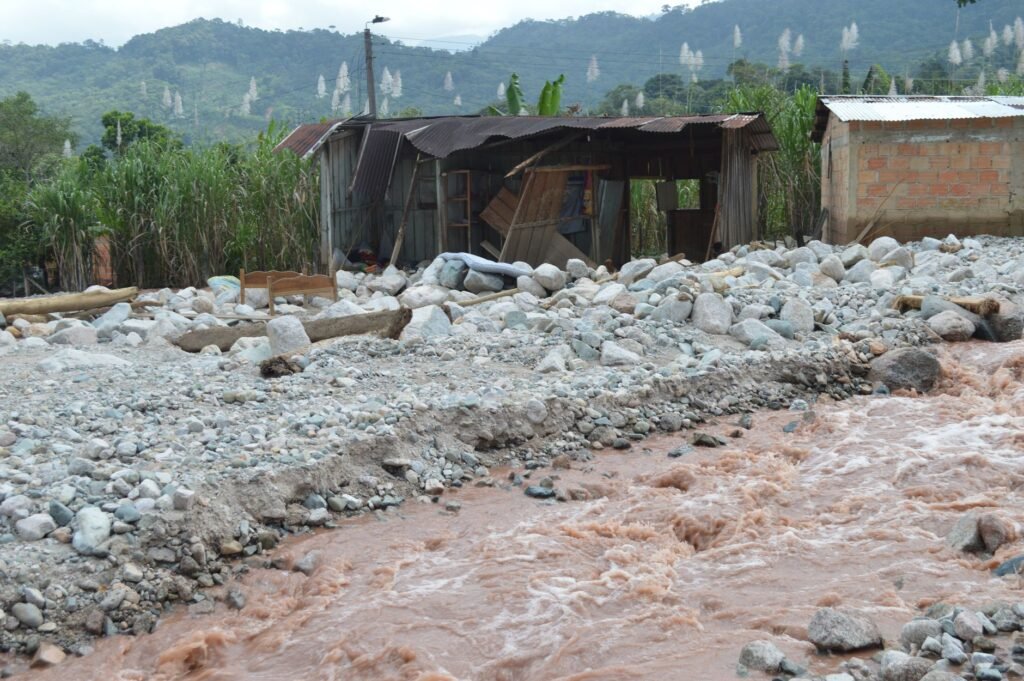
The recent devastating floods in Nepal, with a significant death toll and many missing, underscore deep-seated issues in state capacity and disaster resilience.
The signal
The recent catastrophic flooding in Nepal, precipitating a significant loss of life and a substantial number of missing persons, serves as a potent signal beyond the immediate humanitarian crisis. It is not merely a consequence of extreme weather but an acute manifestation of the inherent vulnerabilities within Nepal's state capacity and infrastructural resilience. The scale of the devastation, particularly the expectation that casualty figures will rise significantly, points to a systemic fragility that extends beyond the immediate meteorological event. This event underscores a recurring pattern in developing nations, where rapid-onset natural disasters disproportionately impact populations due to inadequate preparedness, insufficient early warning systems, and deficient response mechanisms. The signal, therefore, is one of an accelerating disjuncture between escalating climate-induced risks and the institutional frameworks designed to mitigate them.
The geographical characteristics of Nepal – its mountainous terrain, numerous rivers, and monsoon climate – inherently expose it to hydrological hazards. However, the severity of this particular incident suggests that pre-existing risk mitigation strategies have either been insufficient, improperly implemented, or overwhelmed by an event of unusual intensity. This raises critical questions about the efficacy of past investments in disaster risk reduction (DRR) and the operational readiness of emergency services. The signal is not just about a flood; it is about the state's capacity to govern in an era of climate disruption, where 'normal' levels of risk are being redefined with increasing frequency and intensity.
The mechanism
The mechanism through which a natural hazard translates into a humanitarian catastrophe in Nepal involves a complex interplay of environmental, social, and governance factors. Environmentally, the combination of intense rainfall, saturated ground, and the country's steep topography creates conditions ripe for flash floods and landslides. The monsoon season, while predictable in its timing, has become increasingly unpredictable in its intensity and localisation, a pattern consistent with broader climate change projections. This variability challenges traditional hydrological modelling and early warning system design.
Socially, a significant portion of Nepal's population resides in vulnerable, often informal, settlements along riverbanks or in landslide-prone areas, driven by economic necessity and land availability. These communities frequently lack robust housing structures, access to timely information, and the resources to evacuate effectively. The mechanism of disaster here is amplified by socio-economic stratification, where those with the least agency are often the most exposed.
From a governance perspective, the mechanism involves several critical failures. First, inadequate investment in critical infrastructure, such as flood defences, riverbank reinforcement, and resilient transportation networks, leaves communities exposed. Second, the limited reach and sophistication of early warning systems, particularly at the community level, mean that critical lead times for evacuation are lost. Third, deficiencies in land-use planning and enforcement contribute to the encroachment of settlements into high-risk zones. Finally, the capacity of local and national emergency services for rapid deployment, search and rescue, and post-disaster humanitarian aid is often stretched thin, particularly in remote areas. The cumulative effect of these mechanisms transforms a severe weather event into a profound national crisis, underscoring the systemic nature of the challenges.
Who gains and who is exposed
In the immediate aftermath of such a disaster, there are few clear 'gainers' in the traditional sense; the primary outcome is widespread loss and disruption. However, a closer examination reveals shifts in influence and exposure. International humanitarian organisations and donor states often see an increased mandate and visibility, as they become critical conduits for aid and expertise. This can consolidate their role in Nepal's development landscape, potentially influencing policy directions related to disaster resilience and infrastructure investment. Locally, certain construction and logistics firms with pre-existing government contracts or strong operational capabilities may see an increase in demand for reconstruction efforts, although this is often offset by the broader economic downturn caused by the disaster.
Conversely, the primary parties exposed are the Nepalese state and its populace. The government faces immense pressure to demonstrate effective leadership, coordinate relief efforts, and manage reconstruction, all while navigating potential public discontent over perceived preparedness failures. The disaster will place significant strain on already constrained public finances, potentially diverting resources from other development priorities and increasing reliance on foreign aid or concessional loans. This exposure is not merely financial but also reputational, impacting public trust and international standing. The agricultural sector, a cornerstone of Nepal's economy, is particularly exposed to long-term disruption from damaged land and infrastructure. Furthermore, communities in remote areas, already marginalised, face exacerbated isolation and delayed recovery, deepening existing inequalities. The disaster exposes the limits of existing social safety nets and the vulnerability of livelihoods dependent on predictable environmental conditions.
Leading indicators to track
To assess the trajectory of Nepal's recovery and its evolving resilience, several leading indicators warrant close monitoring. First, the rate of recovery of essential infrastructure, particularly roads, bridges, and communication networks in affected areas, will be a critical gauge of government and donor efficacy. Delays here would signal deeper logistical or financial impediments. Second, the speed and equity of humanitarian aid distribution, including shelter, food, and medical supplies, will reflect the operational capacity of relief agencies and local governance. Disparities in access or reports of aid diversion would be concerning.
Third, public statements and policy shifts regarding national disaster preparedness, early warning system upgrades, and land-use planning reforms will indicate the government's long-term strategic response. Mere rhetoric without concrete budgetary allocations or legislative action should be viewed with scepticism. Fourth, the engagement of international financial institutions and bilateral donors, specifically the nature and scale of pledged reconstruction aid and technical assistance, will reveal external confidence in Nepal's recovery prospects. Any reluctance or conditionalities attached to aid packages could signal broader concerns. Finally, internal migration patterns, particularly any significant displacement from rural to urban areas or across regions, will offer a qualitative indicator of livelihood destruction and the search for greater security. A sustained increase in internal displacement would imply a failure in rural reconstruction and resilience building.
The twelve-month forecast
The next twelve months for Nepal will be defined by the complex interplay of recovery efforts, fiscal pressures, and the ongoing challenge of climate adaptation. The immediate focus will remain on humanitarian relief and initial infrastructure repairs, but the deeper structural issues exposed by the floods will persist. We anticipate a protracted period of reconstruction, heavily reliant on external assistance, which will test the administrative capacity of the Nepalese government and the coordination mechanisms among various international stakeholders. The imperative to rebuild will likely create opportunities for corruption if oversight mechanisms are not robustly enforced, a perennial challenge in large-scale disaster recovery operations.
Politically, the government will face a delicate balancing act: demonstrating accountability for preparedness failures while simultaneously projecting competence in disaster response. This period could either consolidate public trust through effective action or erode it further if recovery is perceived as slow or inequitable. Economically, the floods will exert downward pressure on growth, particularly impacting agriculture and tourism, two vital sectors. Inflationary pressures may also emerge due to supply chain disruptions and increased demand for construction materials. The long-term trajectory hinges on whether the current crisis acts as a catalyst for fundamental reforms in disaster risk management, land-use planning, and climate adaptation strategies, or if it merely leads to a reactive, short-term rebuilding effort that leaves the country vulnerable to future, inevitable shocks.
Scenario matrix
| Scenario | Probability | Confirming trigger |
|---|---|---|
| Protracted recovery with incremental reforms | 55% | International aid pledges materialise steadily, but implementation is slow due to bureaucratic hurdles; new disaster risk management policies are announced but show limited immediate impact on vulnerability. |
| Accelerated, transformative resilience building | 25% | Significant and unconditional international funding is committed quickly, accompanied by a robust, transparent national reconstruction agency and demonstrable progress on critical infrastructure and early warning system upgrades within six months. |
| Stagnation and heightened vulnerability | 20% | International aid falls short of requirements or is heavily conditional; internal political infighting delays recovery efforts; and no substantive reforms to disaster preparedness or land-use planning are implemented, leading to increased internal displacement. |
Probabilities are estimates, not certainties. They are published so the forecast can be scored later.
Source material: Al Jazeera – Breaking News, World News and Video from Al Jazeera