Nepal Tunnel Rescue Reveals Undercurrents in Hydropower Ambition
Predictive Analysis
The recent rescue operation in a Nepalese hydropower tunnel offers a critical lens on the nation's energy strategy and its inherent risks.
The signal
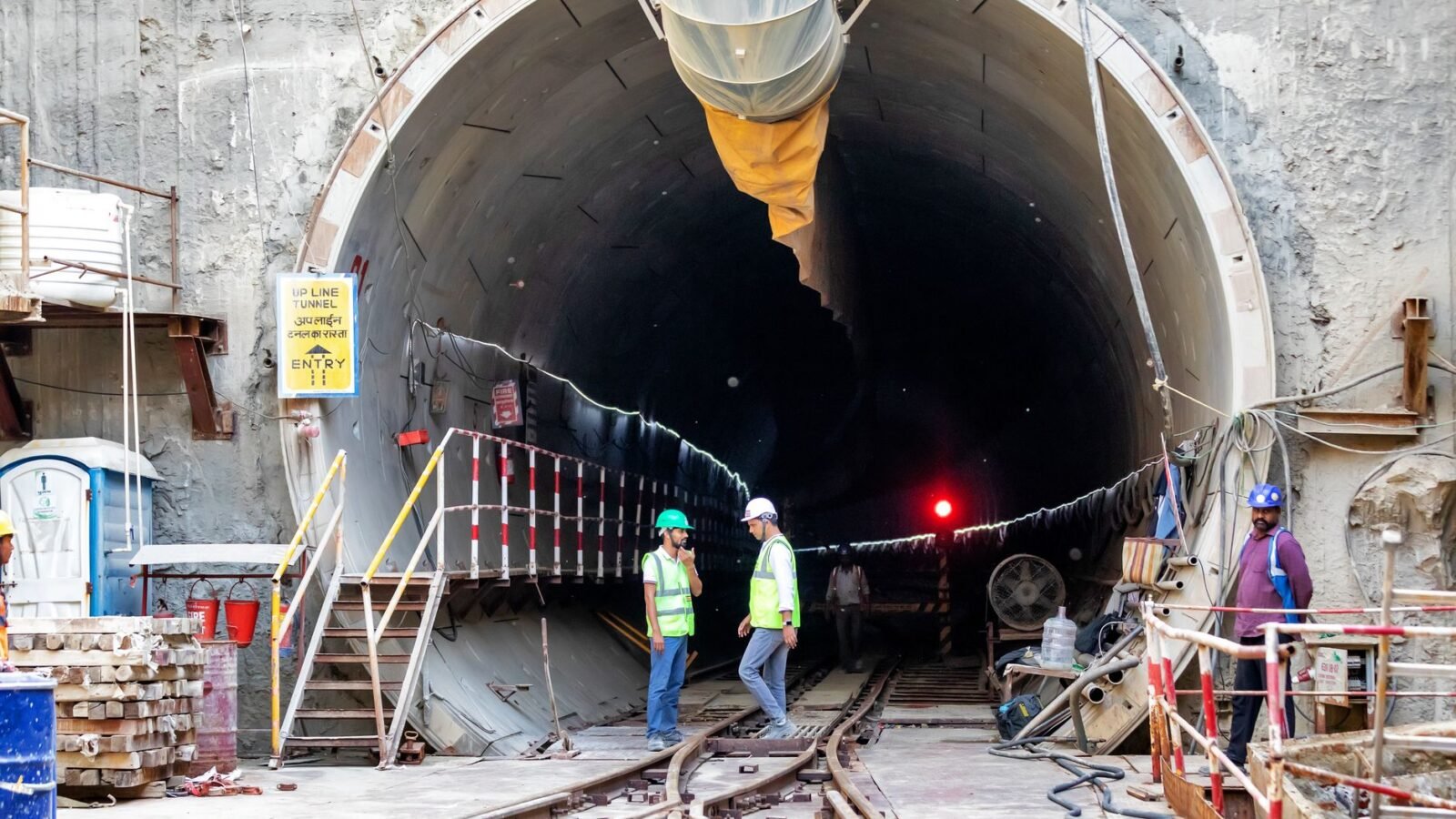
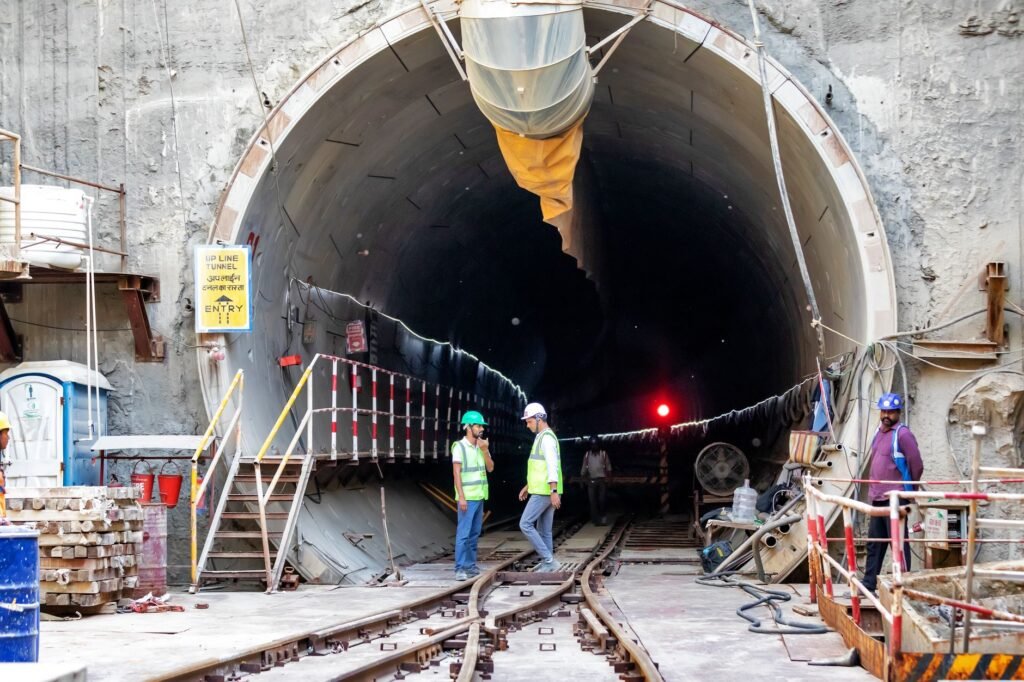
The footage released by the Nepalese Prime Minister's Secretariat, depicting army personnel extracting individuals from a hydropower tunnel, constitutes more than a simple account of emergency response. It functions as an involuntary signal regarding the operational realities of Nepal's most critical infrastructure sector. While the immediate outcome was successful rescue, the incident itself directs scrutiny towards the underlying conditions that necessitated such an intervention. This event, rather than being an isolated anomaly, could be read as an indicator of the inherent complexities and potential vulnerabilities within the country's expansive hydropower development agenda. It forces a re-evaluation of the assumptions underpinning project execution in challenging geological and logistical environments, particularly as Nepal positions itself as a regional energy exporter.
The mechanism
Nepal’s strategic imperative for economic growth is inextricably linked to its vast hydropower potential. The country possesses an estimated 42,000 MW of economically viable hydropower capacity, a resource it aims to harness not only for domestic consumption but, critically, for export to energy-hungry neighbours, primarily India. The mechanism through which an incident like this exerts influence is multi-faceted. First, it directly impacts project timelines and costs. Any operational disruption, particularly one requiring military intervention, points to either an engineering challenge, a safety protocol lapse, or a combination thereof, each carrying financial implications. Second, and perhaps more significantly, it can erode investor and lender confidence. Large-scale hydropower projects are capital-intensive and typically involve significant foreign direct investment and multilateral financing. Perceptions of heightened risk, whether operational or regulatory, can deter future investment, increase the cost of capital, and potentially delay or derail subsequent phases of development. The incident, therefore, acts as a stress test for the entire ecosystem supporting Nepal’s energy ambitions, revealing potential points of failure that extend beyond the immediate site of the rescue.
Who gains and who is exposed
In the immediate aftermath, the Nepalese military and government gained credit for a successful rescue operation, demonstrating competence in crisis response. However, the broader exposure falls squarely on the entities responsible for the planning, construction, and oversight of such projects. This includes domestic and international developers, engineering firms, and the regulatory bodies tasked with ensuring safety and compliance. Any firm operating in Nepal's hydropower sector, or contemplating entry, is now implicitly exposed to heightened scrutiny regarding their risk management frameworks and emergency preparedness. From a national perspective, Nepal's ambition to become a 'hydro-powerhouse' could be exposed if such incidents are perceived as systemic rather than isolated. Conversely, competitors in the regional energy market, or alternative energy providers, might indirectly gain if Nepal's hydropower pipeline faces delays or increased perceived risk. The incident also exposes the critical workforce involved in these projects to elevated occupational hazards, raising questions about labour safety standards and their enforcement.
Leading indicators to track
To discern whether this incident is an isolated event or a harbinger of broader systemic issues, several leading indicators warrant close monitoring. Firstly, observe any official or unofficial statements regarding project delays or cost overruns across Nepal's hydropower portfolio, especially those citing 'unforeseen circumstances' or 'technical difficulties'. Secondly, track changes in the regulatory environment concerning occupational safety in large infrastructure projects; a sudden increase in inspections or new guidelines would signal a recognition of systemic issues. Thirdly, monitor the tenor of international financial institutions and foreign investors regarding their appetite for new hydropower projects in Nepal; any discernible slowdown in commitments or an increase in due diligence requirements would be telling. Finally, assess the frequency and nature of similar incidents reported from other ongoing projects. A pattern of minor disruptions, even if not requiring military intervention, would strongly suggest systemic vulnerabilities rather than one-off occurrences. The absence of such secondary signals would allow for a reading that confines the incident to a specific project or set of circumstances.
The twelve-month forecast
The coming twelve months will be crucial in determining the lasting impact of this incident on Nepal’s hydropower trajectory. The immediate focus will be on the specific project involved, assessing the cause of the tunnel entrapment and the subsequent measures implemented. However, the wider implications for investor confidence and the pace of new project initiation will be the true gauge. The question remains whether this event will precipitate a sector-wide review of safety and operational standards, or if it will be dismissed as an unfortunate, but contained, anomaly. The tension lies between the pressing need for Nepal to monetise its hydrological resources and the imperative to ensure robust, safe, and sustainable development. The balance struck between these competing demands will shape not only Nepal's energy future but also its role in regional energy security.
Scenario matrix
| Scenario | Probability | Confirming trigger |
|---|---|---|
| Accelerated Safety Reforms and Sustained Investment | 45% | Public announcement of an independent, sector-wide safety audit with clear corrective actions, followed by new project financing commitments within six months. |
| Minor Delays and Increased Due Diligence | 40% | Selected project delays of 3-6 months attributed to 'technical reviews' or 'revised safety assessments', without a significant downturn in overall investment sentiment. |
| Significant Investment Slowdown and Project Re-evaluation | 15% | Multiple major hydropower projects announce indefinite suspensions or withdrawal of foreign investment, alongside a qualitative increase in public scrutiny of existing safety records. |
Probabilities are estimates, not certainties. They are published so the forecast can be scored later.
Source material: BBC News