Nepal’s Flood Future: Climate Migration and Hydropower Risks to 2030
Strategic Foresight
The recent flash floods in northern Nepal underscore a growing climate instability that could reshape the nation's demographics and energy future by 2030.
The starting conditions
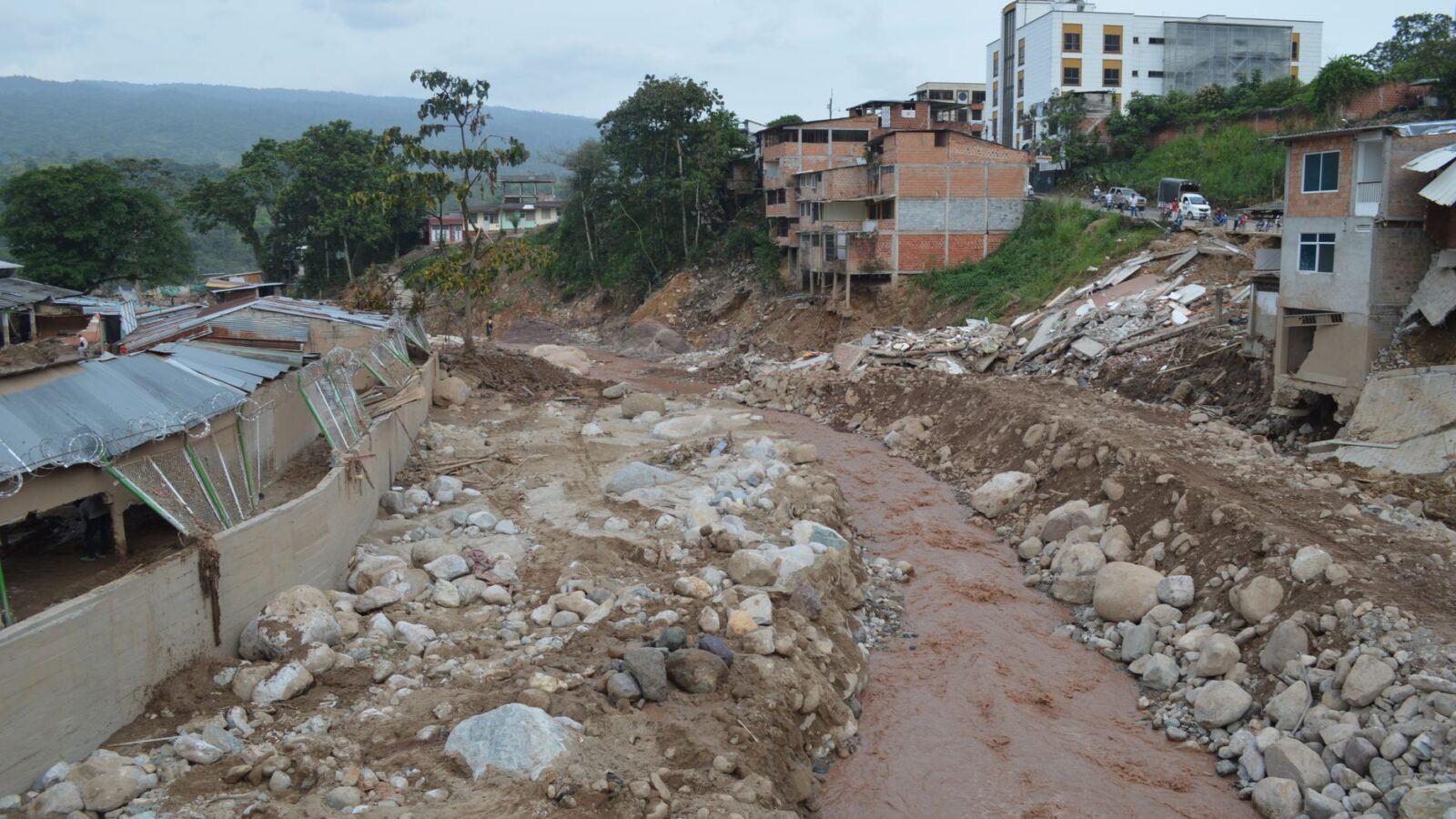
The recent deadly flash floods in northern Nepal, which claimed at least eight lives and destroyed homes, serve as a stark indicator of the nation's heightened vulnerability to extreme climatic events. Nepal, a country characterised by its mountainous terrain and significant hydrological resources, is disproportionately exposed to the impacts of global climate change, including glacial lake outburst floods (GLOFs), intensified monsoon rains, and rapid snowmelt. These phenomena are projected to increase in frequency and severity, posing existential threats to infrastructure, livelihoods, and population centres.
The nation's economic development strategy is heavily reliant on hydropower, with ambitious plans to expand energy generation for domestic consumption and export. This strategy positions critical infrastructure within river valleys and along mountain slopes, areas inherently susceptible to the very environmental forces now escalating. Concurrently, demographic trends indicate a persistent rural-to-urban migration, driven by economic opportunity but potentially exacerbated by environmental degradation in traditional agricultural zones. These intersecting vulnerabilities form the baseline against which Nepal's future will unfold over the coming decade.
Scenario one: Accelerated climate migration and urban strain
Under this scenario, the frequency and intensity of extreme weather events, particularly flash floods and landslides, would continue to escalate throughout Nepal's northern and mountainous regions. The cumulative effect of these disasters could render significant swathes of traditional settlements increasingly uninhabitable or economically unviable. This would likely trigger a substantial acceleration of internal climate migration, as populations from high-risk rural areas seek refuge and new livelihoods in relatively safer urban centres, particularly in the Terai plains and Kathmandu Valley.
The influx of climate migrants could place unprecedented strain on urban infrastructure, housing, and public services, potentially exacerbating existing social inequalities and resource competition. While the government might attempt to implement planned resettlement programmes, the scale of displacement could overwhelm such efforts, leading to the proliferation of informal settlements and a rise in urban poverty. This scenario would also likely divert national resources from long-term development projects towards emergency response and humanitarian aid, impeding overall economic progress and potentially increasing Nepal's reliance on international assistance. The political landscape could become more volatile as regional grievances over resource allocation and demographic shifts intensify.
Scenario two: Hydropower ambitions derailed, energy insecurity rises
In this alternative future, the primary impact of escalating climate events would fall disproportionately on Nepal's critical hydropower sector. Increased frequency of GLOFs, intense precipitation, and sediment-laden floodwaters could lead to repeated and severe damage to dams, power stations, and transmission lines. Construction timelines for new projects could face chronic delays, and operational capacity for existing facilities might be significantly reduced due to structural damage, siltation, or maintenance challenges.
The economic viability of new hydropower investments could diminish, deterring both domestic and international capital. This could force Nepal to re-evaluate its energy strategy, potentially leading to greater reliance on imported fossil fuels or slower progress in electrification. Energy insecurity could become a defining characteristic, hindering industrial development and daily life. Furthermore, damage to cross-border transmission infrastructure could disrupt energy trade agreements with neighbouring countries, potentially straining regional diplomatic relations. The financial burden of repairs and lost revenue could significantly impact Nepal's public finances, potentially increasing sovereign debt and constraining fiscal space for other essential services.
Scenario three: Adaptive resilience and regional cooperation
This more optimistic scenario posits that Nepal, possibly with robust international support, would undertake a concerted effort to adapt to climate change and foster regional cooperation. Following a series of acute climate shocks, there could be a pivot towards climate-resilient infrastructure development, including early warning systems for floods and landslides, nature-based solutions for erosion control, and diversified energy portfolios that reduce over-reliance on large-scale hydropower in high-risk zones. Urban planning could integrate climate migration projections, focusing on developing secondary growth centres with adequate infrastructure and employment opportunities.
Crucially, this scenario would involve enhanced regional collaboration, particularly with India and China, on transboundary water resource management, disaster preparedness, and climate data sharing. Joint investment in upstream monitoring and downstream protection measures could mitigate the impact of floods across shared river basins. This could lead to a more stable and predictable environment for foreign direct investment in climate-resilient sectors. While climate events would still occur, their systemic impact could be significantly reduced through proactive policy, robust infrastructure, and improved regional diplomatic frameworks, potentially positioning Nepal as a leader in climate adaptation within the Himalayan region.
Wildcards that would break every scenario
Several unforeseen developments could fundamentally alter the trajectory of Nepal's climate future, invalidating the outlined scenarios. A sudden, catastrophic GLOF event of unprecedented scale, impacting a major population centre or critical infrastructure node, could trigger a humanitarian crisis that overshadows all other trends, demanding an immediate and overwhelming international response. Conversely, a breakthrough in climate engineering or large-scale carbon capture technologies, if deployed globally and effectively, could significantly alter the atmospheric conditions driving climate change, potentially stabilising Himalayan weather patterns and reducing the urgency of adaptation.
A major geopolitical shift, such as a significant escalation of tensions or a new cooperative paradigm between India and China, could profoundly affect Nepal's strategic autonomy and access to resources for climate resilience. Similarly, a sustained period of political instability within Nepal, possibly triggered by internal grievances unrelated to climate, could paralyse decision-making and prevent any coherent long-term strategy from being implemented. Any of these could render current projections obsolete.
Strategic implications
The implications of these scenarios extend beyond Nepal's borders, particularly for regional stability and transboundary water management. For institutional investors, the increasing climate risk profile of hydropower projects in Nepal suggests a need for re-evaluation of long-term asset security and potential returns. Diversification into climate-resilient infrastructure or other sectors might become more attractive. For aid organisations and development banks, a shift from reactive disaster response to proactive climate adaptation and resilience-building programmes would appear increasingly urgent, focusing on early warning systems, sustainable land use, and urban planning that anticipates demographic shifts.
From a geopolitical perspective, the potential for climate-induced migration and water scarcity could intensify existing regional rivalries or, conversely, compel greater cooperation between riparian states. The question of how Nepal's neighbours, particularly India, would respond to large-scale climate migration or disruptions to shared water resources remains open. Will the imperative of shared water management force greater regional integration, or will the strain of climate impacts drive states towards more insular and protectionist policies? The answer will likely shape the geopolitical landscape of South Asia for decades to come.
Scenario matrix
| Scenario | Probability | Confirming trigger |
|---|---|---|
| Accelerated climate migration and urban strain | 45% | A sustained increase in internal migration from mountain districts to the Terai plains, exceeding historical rates by 20% for three consecutive years, coupled with a documented rise in informal urban settlements in major cities. |
| Hydropower ambitions derailed, energy insecurity rises | 35% | Two or more major operational hydropower projects (over 100MW) experiencing severe damage or forced closure due to climate events by 2027, leading to a demonstrable shortfall in electricity supply and a downward revision of national energy export targets. |
| Adaptive resilience and regional cooperation | 20% | Formalised, binding agreements between Nepal, India, and potentially China on transboundary flood early warning systems and joint climate adaptation funding by 2026, alongside a measurable increase in climate-resilient infrastructure investment. |
Probabilities are estimates, not certainties. They are published so the forecast can be scored later.
Source material: Al Jazeera – Breaking News, World News and Video from Al Jazeera