Salamina Fires Expose Deeper Greek Preparedness Deficiencies
Virtual Roundtable
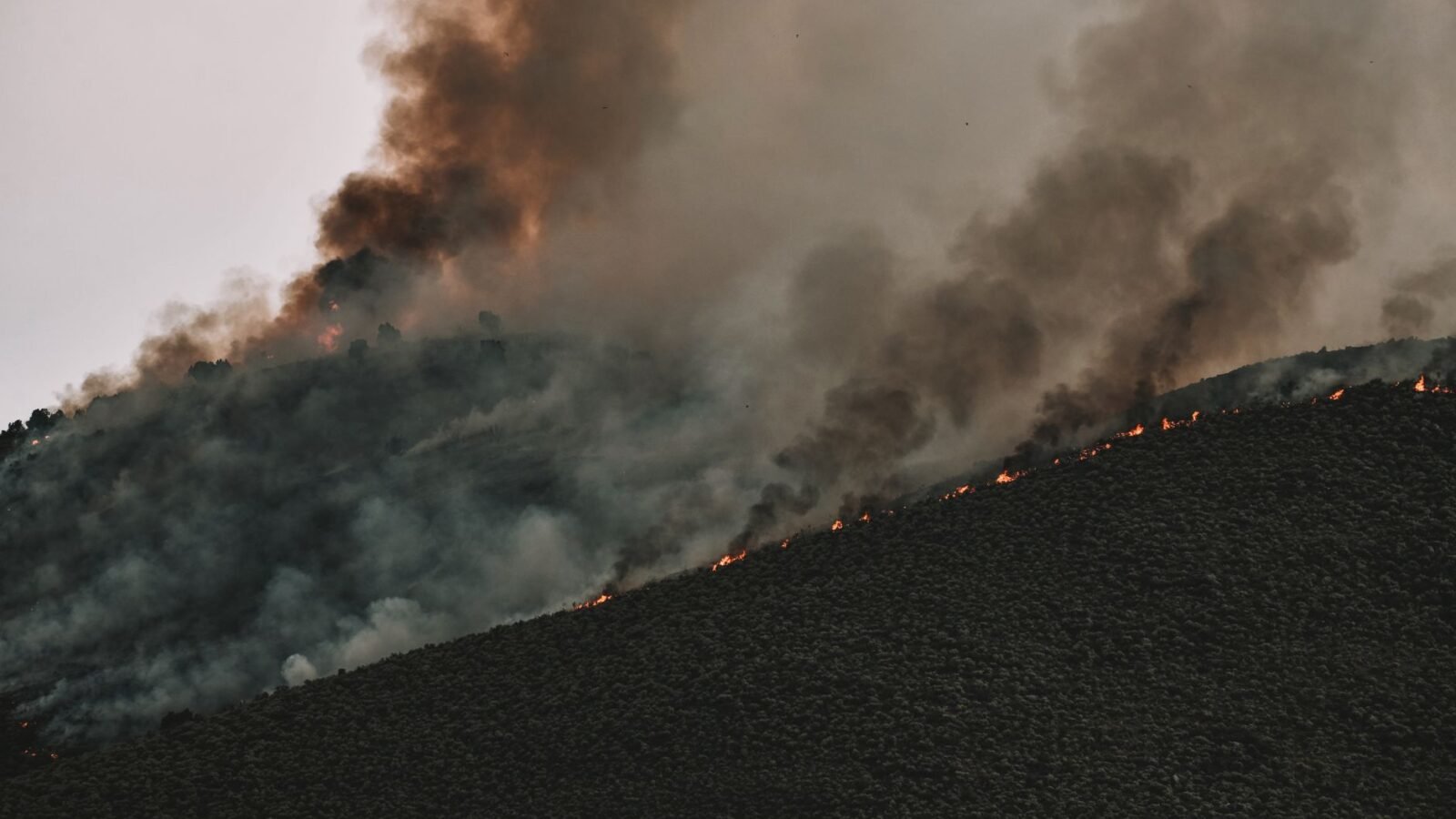
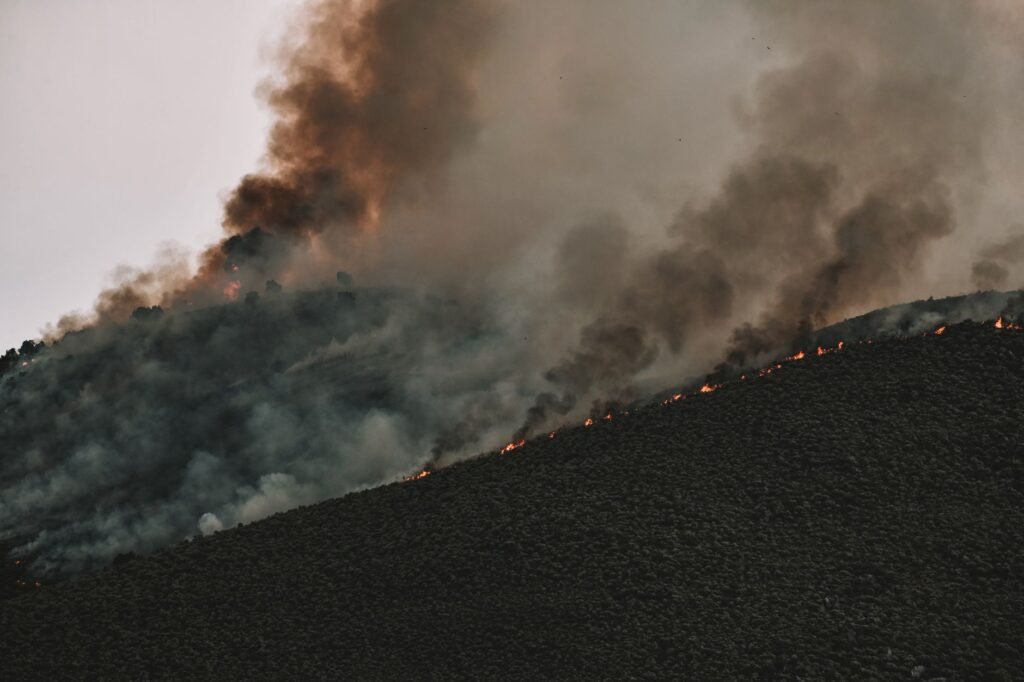
The ongoing firefighting efforts on Salamina island underscore critical questions about Greece's long-term strategy for confronting escalating climate-induced threats.
The framing
The current conflagrations on Salamina island, requiring significant deployment of firefighting personnel to prevent the convergence of two distinct fronts, represent more than an isolated environmental catastrophe. They serve as a critical stress test for Greece's emergency response mechanisms and a potent indicator of the nation's broader resilience in the face of increasingly frequent and intense climate-related events.
While immediate efforts focus on containment and evacuation, the incident compels a deeper examination of the strategic calculus underpinning Greece's disaster preparedness. The question is not merely how quickly these specific fires can be extinguished, but what this episode reveals about the sustainability of current resource allocation, the efficacy of preventative measures, and the political will to invest in long-term adaptation rather than perpetual crisis management. The recurring nature of such events across the Hellenic Republic demands a shift from reactive mitigation to proactive infrastructural and policy reform, a transition that carries significant economic and political implications.
Where the panel disagrees
Our panel diverges primarily on the immediacy of the systemic crisis versus the capacity for incremental improvement. One perspective suggests that the Salamina fires are merely symptoms of a deeply entrenched, underfunded public sector incapable of adapting to new climatic realities without fundamental structural overhaul. This reading posits that current responses are inherently constrained by past fiscal austerity and a political economy that prioritises short-term tourism revenues over long-term environmental security. The implication is that without a dramatic shift in national priorities, Greece will remain perpetually reactive.
A counter-argument, however, maintains that while challenges are significant, Greece has demonstrated a capacity for pragmatic adaptation in other sectors. This view suggests that the current situation, while severe, could act as a catalyst for targeted investments and procedural reforms that, over time, would enhance resilience. This interpretation points to the potential for international cooperation and EU funding to bolster capabilities, arguing that the political will, though tested, is not entirely absent. The core tension remains whether the current approach is merely patching over fundamental flaws or incrementally building a more robust system.
The exchange
Disclosure: This roundtable is an analytical synthesis. The panellists are composite professional personas, and no statement below is a quotation from any real person.
A political risk consultant to institutional investors, Europe
What are the immediate economic implications of the Salamina fires, particularly for investor sentiment regarding Greece?
The immediate economic impact, while localised, contributes to a broader perception of risk. For institutional investors, it's not simply the direct cost of property damage or firefighting, but the systemic implications. Repeated, severe environmental events in key tourist regions or near urban centres can erode confidence in long-term stability. The market observes how effectively a government can protect its assets and citizens. A perceived inability to manage these recurring crises effectively could prompt a re-evaluation of sovereign risk, particularly regarding the resilience of critical infrastructure and the tourism sector, which remains a cornerstone of the Greek economy. It raises questions about the allocation of resources – are they sufficient, and are they being deployed optimally? This feeds into a narrative of vulnerability that can manifest in higher borrowing costs or a diversion of foreign direct investment to less exposed regions.
A defence procurement analyst, Southern Europe
Beyond the immediate humanitarian response, what does this incident reveal about Greece's broader civil defence and emergency asset procurement strategy?
These fires expose a critical gap in strategic asset allocation. While Greece maintains robust defence capabilities, the interface between military and civil defence assets appears strained during widespread environmental crises. Firefighting aircraft, for instance, are often multi-role platforms, and their availability during peak fire seasons is a constant challenge. The procurement cycle for such specialised equipment is lengthy and expensive, requiring foresight that spans decades. The question arises whether sufficient investment has been made in dedicated civil protection assets, or if there's an over-reliance on ad-hoc redeployment of military resources, which may not be optimally configured for civilian emergencies. Furthermore, the operational tempo demanded by these events can stress maintenance schedules and personnel readiness across both civil and military branches. This isn't merely about buying more equipment, but about integrating disparate command structures and ensuring interoperability in a truly national emergency response framework.
A career diplomat, recently retired, EU Affairs
From a diplomatic perspective, how might these recurring environmental crises affect Greece's standing within the European Union, particularly concerning mutual aid and structural funding?
These events, while tragic, can paradoxically strengthen calls for greater EU solidarity and funding for climate adaptation. Greece has consistently highlighted its disproportionate exposure to climate change impacts, and each major incident reinforces its argument for increased support through mechanisms like the EU Civil Protection Mechanism or structural funds dedicated to climate resilience. However, there's a delicate balance. While partners are generally sympathetic, there can also be an expectation of robust national planning and efficient use of existing resources. The diplomatic challenge for Greece is to articulate a compelling narrative that demonstrates both its genuine vulnerability and its proactive efforts to build resilience, rather than simply requesting aid for recurrent emergencies. It's about showing a clear strategy for using assistance to fundamentally alter the risk profile, not just to manage symptoms. Failure to demonstrate progress on this front could eventually lead to 'donor fatigue' among some member states, shifting the conversation from solidarity to accountability for national preparedness.
A political risk consultant to institutional investors, Europe
Is there a measurable impact on the tourism sector beyond the immediate evacuation zones?
Absolutely. While Salamina itself isn't a primary international tourist destination, its proximity to Athens means that widespread smoke, air quality issues, and the visible struggle against the fires can create a negative perception for potential visitors. Moreover, the narrative of 'Greece on fire' can deter bookings for other, unaffected regions. Tourists seeking reassurance about safety and environmental quality might reconsider. The long-term impact hinges on how quickly the situation is contained and how effectively the government can communicate that the broader tourism infrastructure remains secure. Persistent or expanding fire activity, especially if it affects more iconic islands or coastal areas, would undoubtedly lead to cancellations and a downturn in future bookings. Investors in hospitality and related services are acutely aware of this reputational risk; it's a direct threat to revenue streams.
A defence procurement analyst, Southern Europe
What might be overlooked in the public discourse regarding the operational constraints faced by emergency services in these situations?
The public often focuses on the number of personnel or aircraft, but overlooks critical 'soft' infrastructure constraints. These include logistics for sustained operations – fuel, spare parts, rest for crews, and reliable communications in rugged terrain. Additionally, the training and experience level of personnel is paramount. Repeated, high-intensity deployments lead to fatigue and can degrade operational effectiveness. There's also the challenge of coordinating multiple agencies, sometimes with different operational doctrines, under extreme pressure. Furthermore, the capacity for preventative measures, such as effective forest management, creating firebreaks, and early detection systems, often receives less attention than the dramatic suppression efforts. Without robust preventative infrastructure and sustained investment in it, the cycle of reactive crisis management becomes increasingly unsustainable, irrespective of how many firefighters are deployed when a fire actually starts.
A career diplomat, recently retired, EU Affairs
How do these domestic challenges translate into Greece's foreign policy priorities or its engagement with regional partners?
Domestically, severe environmental crises inevitably divert attention and resources from other policy areas, including foreign policy initiatives. Internationally, they can shape Greece's bilateral and multilateral engagements. For instance, cooperation with neighbouring countries on civil protection, sharing of intelligence on weather patterns, or joint training exercises for disaster response might become more prominent. Within the EU, Greece will likely continue to advocate for a more robust, integrated European climate resilience strategy, potentially pushing for greater centralisation of civil protection assets or more streamlined funding mechanisms. It also subtly influences perceptions of state capacity. A nation consistently battling internal crises might be perceived as having less bandwidth for proactive foreign policy, potentially impacting its leverage or influence on other regional or international issues. The ability to manage internal stability is a prerequisite for effective external projection.
Source material: BBC News