Seismic Activity Off Flores: Reassessing Indonesia’s Disaster Preparedness
Predictive Analysis
A 7.7-magnitude earthquake off Flores raises questions about Indonesia's capacity to absorb and respond to major seismic events.
The signal
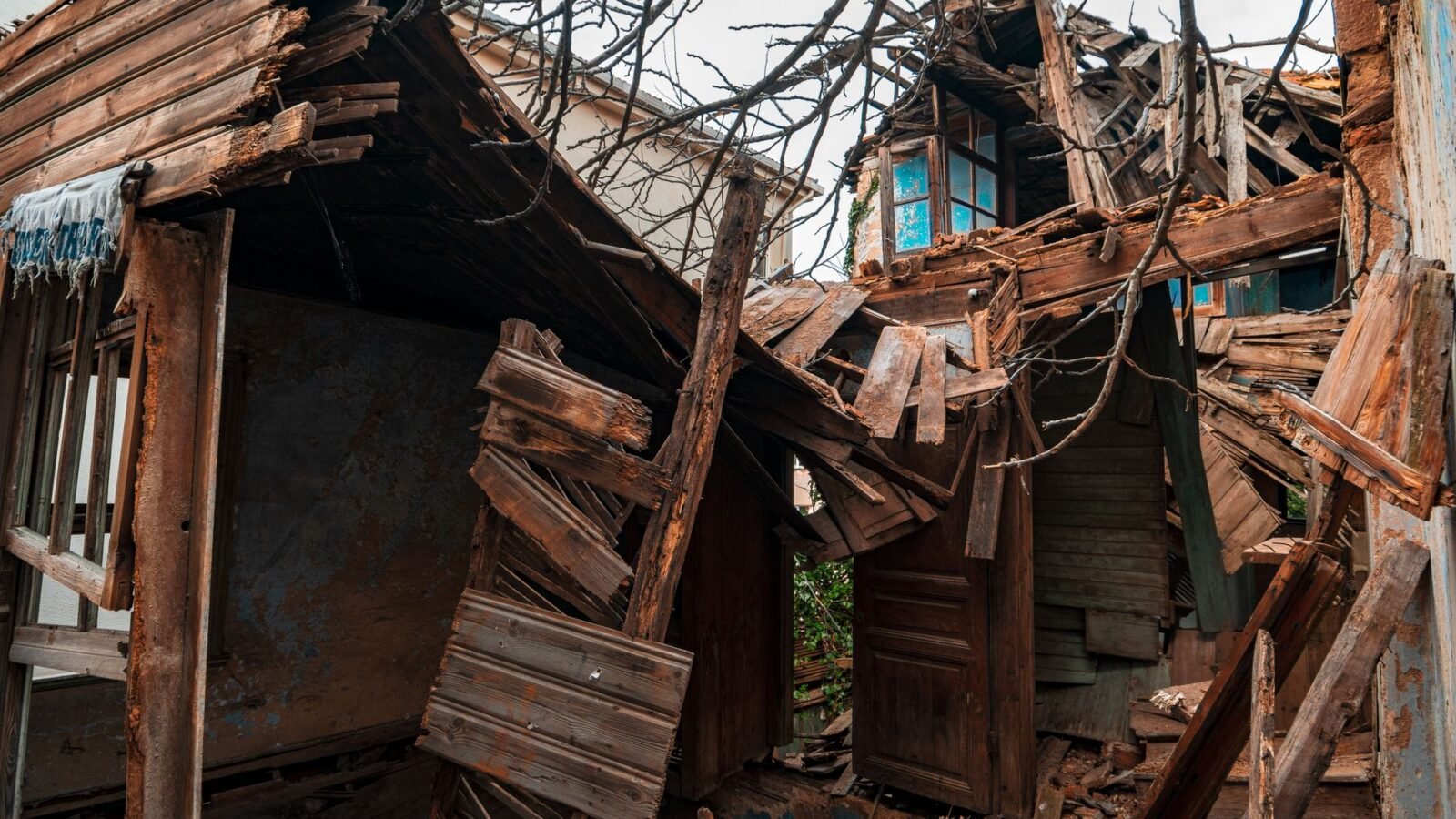
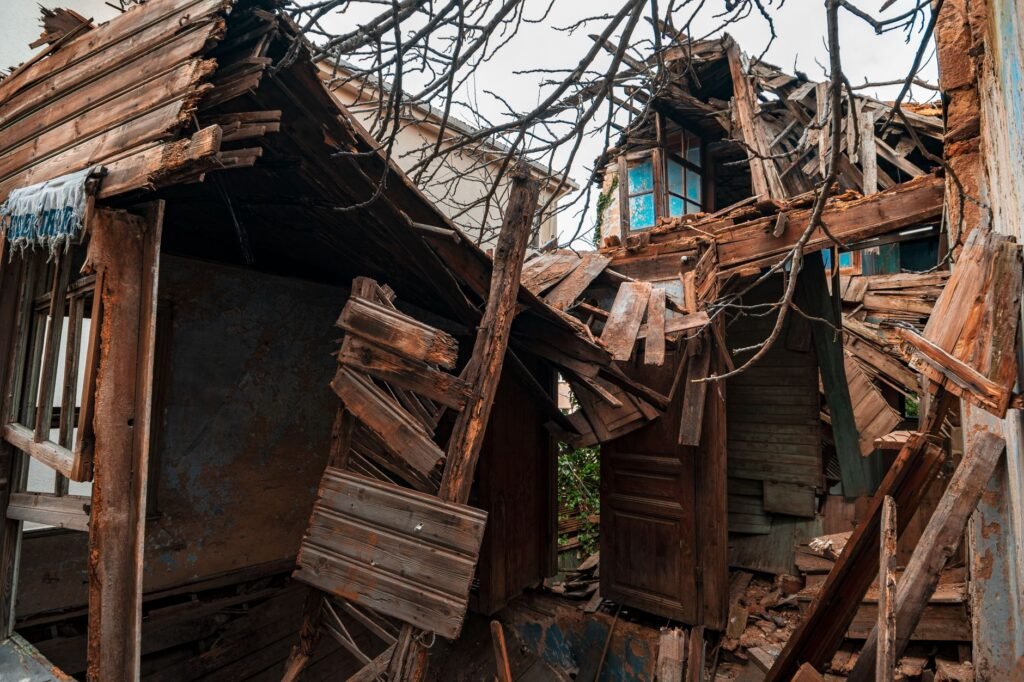
The 7.7-magnitude earthquake that struck off Flores Island early on Saturday morning, resulting in at least 14 fatalities, serves as a stark reminder of Indonesia's persistent seismic vulnerability. While the initial human toll is a tragedy, the broader analytical signal extends beyond immediate casualties. This event, occurring in a region known for its high seismic activity, compels a re-evaluation of the efficacy of disaster mitigation strategies implemented since previous major incidents. The scale of the tremor, capable of generating widespread damage and tsunamis, places renewed emphasis on the robustness of early warning systems and the preparedness of local infrastructure.
Unlike some previous seismic events that caught regional authorities unprepared, this earthquake occurred after significant investment in disaster response frameworks and public awareness campaigns. The question is not merely what happened, but what this event reveals about the current state of those enhancements. Does the damage profile indicate a failure of building codes, an inadequacy in hazard mapping, or a gap in the dissemination of emergency protocols? The answers will inform future investment in both physical and human capital aimed at mitigating the inevitable recurrence of such natural phenomena in the Indonesian archipelago.
The mechanism
Indonesia sits atop the Pacific Ring of Fire, a geological reality that dictates a constant threat of earthquakes and volcanic eruptions. The mechanism behind the Flores earthquake is consistent with the subduction zone dynamics characteristic of the region. The Australian Plate is subducting beneath the Sunda Plate, a process that accumulates immense stress, periodically released in seismic events. The depth and specific fault rupture characteristics will determine the precise energy distribution and potential for secondary hazards like tsunamis and landslides.
The critical mechanism under scrutiny, however, is not geological but systemic: the interaction between a high-magnitude natural event and human systems of resilience. This includes the integrity of critical infrastructure—roads, bridges, communication networks, and power grids—especially in remote island communities. It also encompasses the effectiveness of public information campaigns in enabling rapid, orderly evacuation, and the capacity of emergency services to reach affected areas. The immediate aftermath provides a real-world stress test for these mechanisms, revealing where investments in preparedness have yielded tangible protective benefits and where critical vulnerabilities persist.
Who gains and who is exposed
In the immediate aftermath, few 'gain' from such a tragedy. However, certain sectors and actors are exposed to heightened risk or, conversely, may see their operational methodologies validated. Exposed are local populations, particularly those in poorly constructed dwellings or remote areas with limited access to emergency services. Infrastructure developers and investors in the region face increased scrutiny regarding the seismic resilience of their projects. Any major disruption to inter-island shipping or air travel could expose the fragility of regional supply chains, affecting the flow of goods and services.
Conversely, entities involved in disaster relief logistics, resilient infrastructure development, and advanced early warning systems may see their expertise and products in higher demand. The event could serve as a catalyst for increased international aid and technical assistance, potentially benefiting organisations focused on capacity building in disaster-prone regions. For the Indonesian government, a demonstrably effective response could bolster public trust and international confidence, while a perceived failure could erode both. The long-term exposure for the national economy hinges on the speed and efficacy of reconstruction efforts and whether the event triggers capital flight or a reassessment of investment risk in affected areas.
Leading indicators to track
To gauge the broader implications of the Flores earthquake, several leading indicators warrant close observation. First, the speed and efficiency of the Indonesian National Disaster Management Agency (BNPB) in deploying aid and assessing damage will be critical. Delays or logistical bottlenecks would signal underlying systemic weaknesses. Second, track reports on infrastructure damage, particularly to ports, airports, and major arterial roads. Extensive damage here would indicate significant disruption to economic activity and supply chains.
Third, monitor the stock performance of publicly traded Indonesian companies with significant assets or operations in the affected region, especially in tourism, resource extraction, and logistics. A sustained downturn could signal investor apprehension. Fourth, observe the rhetoric from international aid organisations and foreign governments regarding their commitment to assistance; a robust, coordinated response suggests confidence in Indonesia's absorptive capacity. Finally, anecdotal evidence and official reports on population displacement and the functionality of early warning systems will offer insights into community-level resilience and the effectiveness of preparedness campaigns. The rate of claims and payouts from the reinsurance market will also provide a quantitative measure of economic impact.
The twelve-month forecast
The Flores earthquake, while a significant event, is unlikely to fundamentally alter Indonesia's long-term economic trajectory unless it is followed by a cascade of similar events or reveals a profound systemic failure in disaster response. The immediate focus will be on emergency relief and initial reconstruction. Over the next twelve months, the critical dynamic will be the interplay between the demonstrated resilience of local communities and the capacity of central authorities to facilitate recovery and implement further mitigation measures. The event provides a crucial opportunity for the government to demonstrate its commitment to improving infrastructure standards and disaster preparedness, potentially attracting further international support and investment in resilient development.
However, if the recovery is protracted, or if the event exposes widespread non-compliance with building codes and inadequate early warning infrastructure, investor confidence could be eroded. This could lead to a re-evaluation of risk premiums for projects in seismically active regions of Indonesia, potentially slowing foreign direct investment. The critical question remains: will this incident be viewed as an isolated, albeit tragic, natural event, or as a symptom of deeper structural vulnerabilities that demand a more radical recalibration of national policy and investment priorities?
Scenario matrix
| Scenario | Probability | Confirming trigger |
|---|---|---|
| Rapid, effective recovery demonstrating enhanced national resilience. | 55% | Official reports confirm swift aid distribution, minimal long-term supply chain disruption, and rapid infrastructure repair within six months, with no significant credit rating downgrades for Indonesian debt. |
| Protracted recovery with localised economic disruption and increased scrutiny of infrastructure standards. | 35% | Damage assessments reveal widespread non-compliance with building codes in affected areas, leading to delayed reconstruction, sustained negative impact on regional tourism or trade, and international lending agencies issuing warnings regarding project risk. |
| Catalyst for significant re-evaluation of national disaster preparedness and investment strategy. | 10% | A subsequent high-magnitude event within twelve months, or an independent audit, exposes critical, unaddressed systemic failures in early warning, emergency response, or infrastructure resilience, leading to substantial shifts in national development policy and foreign investment patterns. |
Probabilities are estimates, not certainties. They are published so the forecast can be scored later.
Source material: BBC News