Serbia-Ukraine Rapprochement: A Challenge to Balkan Geopolitics
Trending Global
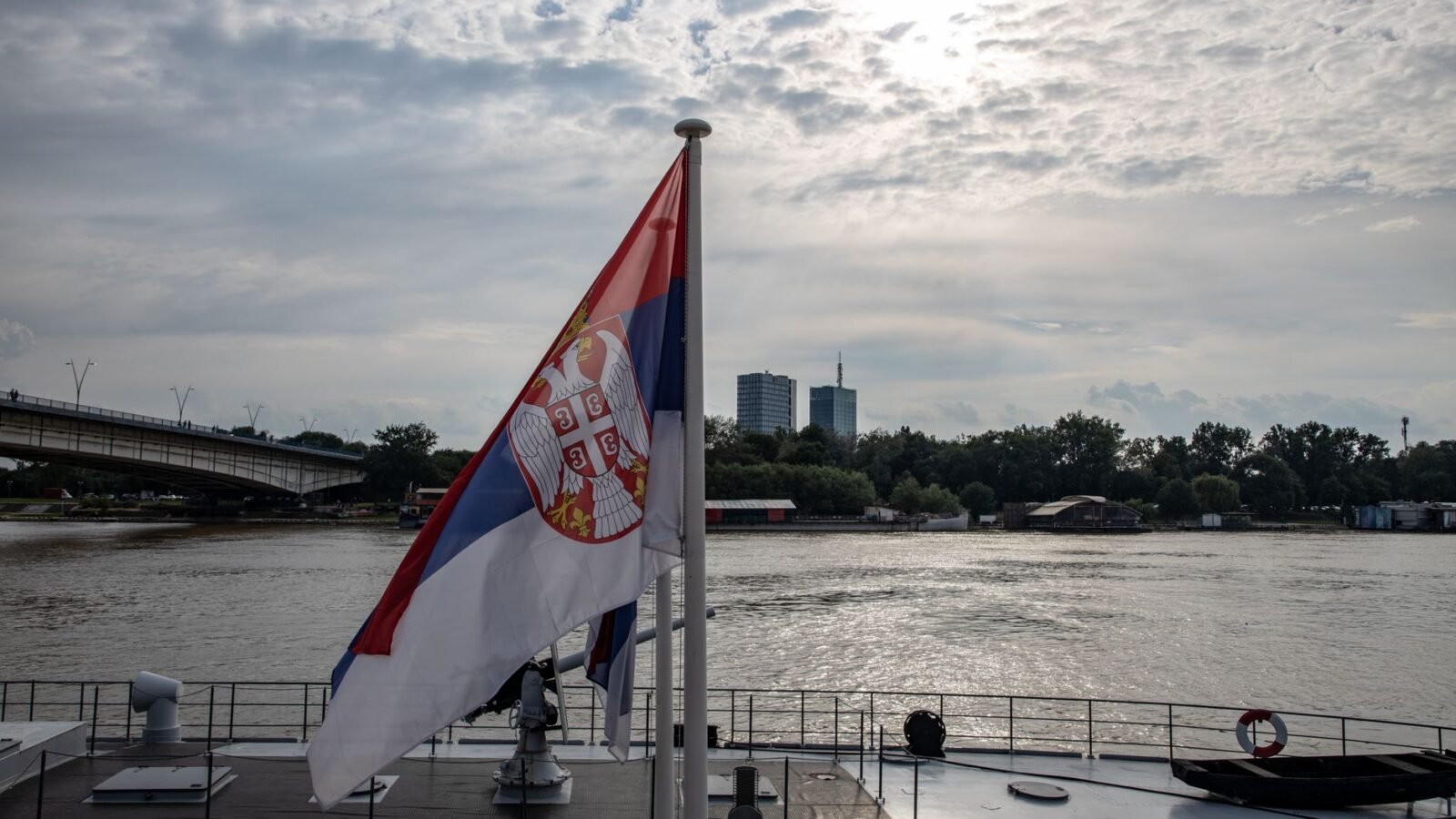
Belgrade and Kyiv signal a new era of cooperation, including potential free trade, prompting a re-evaluation of Serbia's strategic orientation.
What just happened
Serbia and Ukraine have publicly committed to strengthening economic relations, with Belgrade pledging support for Ukrainian urban reconstruction and humanitarian assistance. This overture includes discussions towards a free trade agreement, indicating an intent for a more enduring and structured partnership. The announcement marks a notable shift in the public posture of Serbia, a nation that has historically maintained close political and economic ties with Russia, even as it pursues European Union membership.
The stated aim of the cooperation extends beyond immediate aid to encompass broader economic integration, which could substantially reconfigure trade flows and diplomatic alignments in Eastern Europe and the Balkans. For Kyiv, securing such commitments from a historically non-aligned European capital represents a diplomatic achievement, potentially broadening its support base beyond the immediate Western bloc.
Why it is contested
The significance of this rapprochement is contested primarily due to its implications for Serbia's complex geopolitical balancing act. Belgrade has consistently sought to maintain strategic autonomy, navigating between its aspirations for EU integration, its historical and cultural ties to Russia, and its reluctance to fully align with Western sanctions against Moscow. This new engagement with Ukraine, a nation actively resisting Russian aggression, appears to introduce a direct challenge to that delicate equilibrium.
Critics will question whether this represents a genuine pivot in Serbian foreign policy or a tactical adjustment designed to appease Western partners without fundamentally altering its core allegiances. The extent to which this commitment translates into concrete policy changes, particularly regarding energy dependence or defence cooperation, remains to be seen. The potential for a free trade agreement, in particular, suggests a deeper entanglement that would be difficult to reconcile with a purely neutral stance.
The competing narratives
One prevailing interpretation posits that Serbia is undertaking a genuine, albeit gradual, reorientation towards the West. Proponents of this view argue that the long-term economic benefits of deeper integration with the EU, coupled with the increasing diplomatic isolation of Russia, are compelling Belgrade to make a definitive choice. They suggest that the commitment to Ukraine is a strategic signal, indicating a recognition that Serbia's future lies firmly within the Euro-Atlantic sphere. The strongest objection to this reading is the persistent domestic political support for Russian ties and the absence of any indication that Serbia intends to join the sanctions regime against Moscow, which would be a far clearer sign of a strategic pivot.
An alternative narrative contends that this move is primarily opportunistic and designed to mitigate international pressure on Serbia. Under this interpretation, Belgrade seeks to demonstrate a degree of compliance with Western expectations without abandoning its non-aligned position. By offering aid and economic cooperation to Ukraine, Serbia can present itself as a constructive actor, potentially unlocking stalled EU accession funds or deflecting criticism over its stance on Russia. The strongest objection here is that a free trade agreement would represent a significant, long-term economic commitment, far beyond a mere symbolic gesture, and one that would incur real costs if it were merely a short-term political ploy. Such an agreement would inevitably draw Serbia deeper into the economic orbit of the EU and its allies, making a return to its previous balancing act more difficult.
What to watch next
The critical indicator will be the speed and substance of the proposed free trade agreement negotiations. Details regarding specific sectors, tariff reductions, and regulatory alignment will reveal the true depth of Serbia's commitment. Beyond trade, observers will monitor any shifts in Serbia's voting patterns at the United Nations or its engagement with EU foreign policy initiatives, particularly those concerning Russia. The nature and scale of the reconstruction aid provided to Ukraine will also offer insights into the practical implications of Belgrade's pledges. Will this be a token gesture, or a substantial, multi-year commitment of resources?
The bottom line
Serbia's pledge of closer ties and aid to Ukraine is more than a diplomatic courtesy; it is a significant, contested development in the geopolitical landscape of the Western Balkans. It forces a re-evaluation of Serbia's strategic trajectory and its ability to maintain a non-aligned posture in an increasingly polarised Europe. Whether this represents a genuine, albeit slow, pivot towards the West, or a nuanced tactical manoeuvre to alleviate external pressure, remains an open question. The answer lies in the concrete actions that follow these declarations, particularly in the realm of economic integration and international alignment, and how far Belgrade is willing to stray from its traditional partnerships.
Source material: Al Jazeera – Breaking News, World News and Video from Al Jazeera