Tate Bail Hearing: A Test of Influence Beyond Legal Precedent
Predictive Analysis
The Miami bail hearing for Andrew and Tristan Tate tests the tangible political and judicial influence of online mobilisation.
The signal
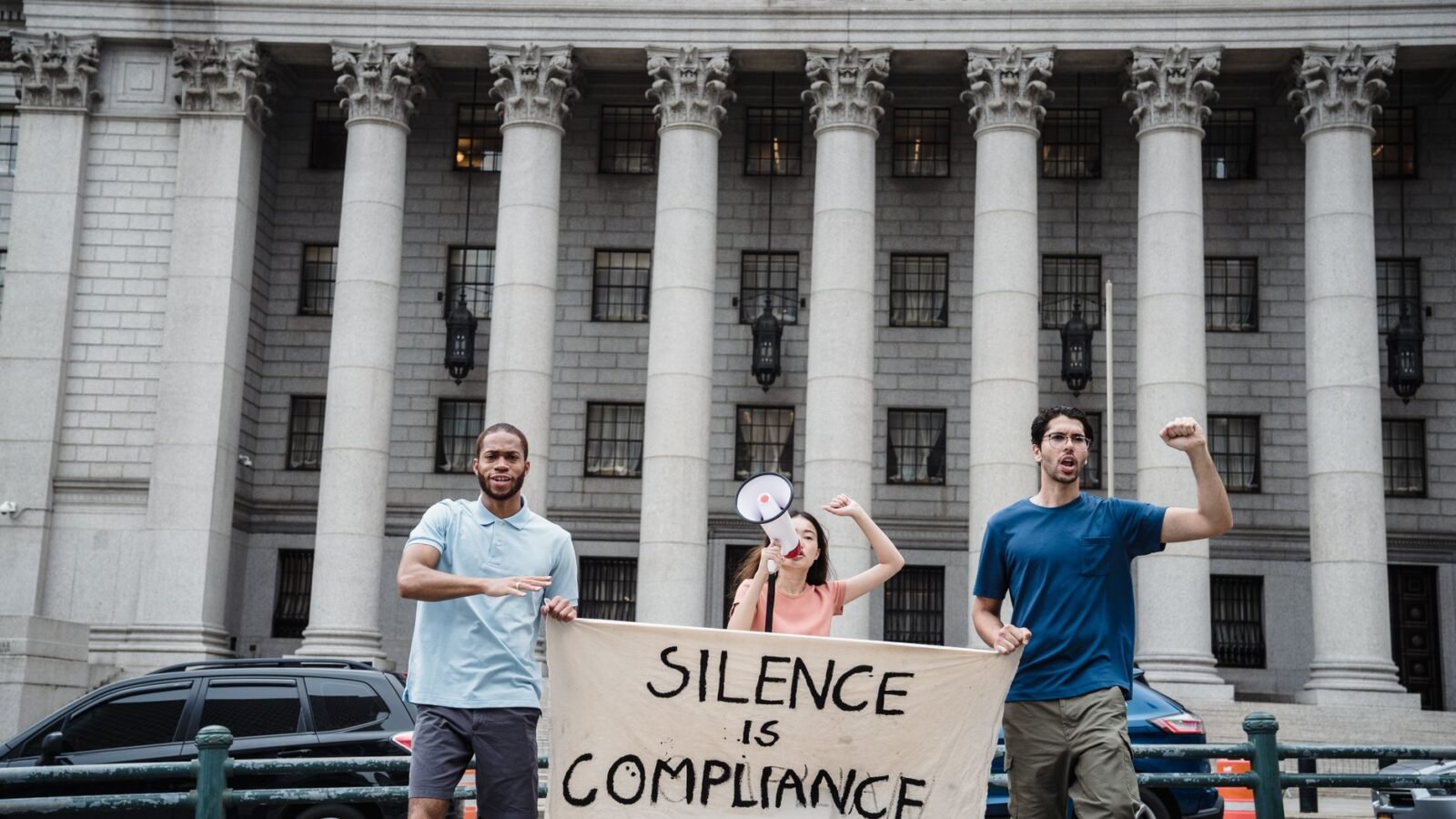
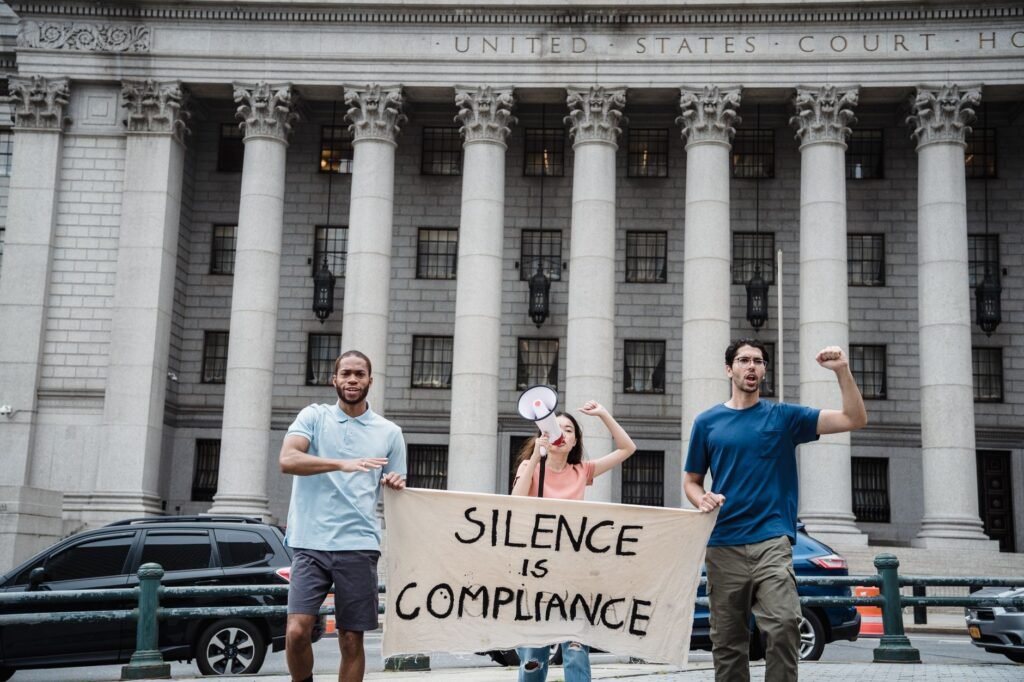
The convergence of supporters for Andrew and Tristan Tate outside a Miami detention centre, ahead of their bail hearing, emits a distinct signal not solely about the individuals involved, but about the evolving architecture of public influence. This event is not merely a demonstration of solidarity; it is a live experiment in the projection of digitally cultivated power into the physical and institutional realms. The question is whether this online mobilisation, however fervent, can translate into a tangible factor within a judicial process designed to operate independently of such pressures, particularly when those pressures originate from a transnational, rather than domestic, constituency.
The immediate context is a legal proceeding, yet the broader implication concerns the efficacy of a new form of advocacy. Traditional lobbying or protest movements often rely on established channels or a deep understanding of local political economy. The Tate phenomenon, by contrast, is largely a product of global digital platforms, capable of rapid, decentralised organisation. The Miami gathering thus serves as a litmus test for the operational ceiling of this new mode of influence: can it genuinely affect the calculus of judges, prosecutors, or even political actors who might otherwise remain insulated from its reach?
The mechanism
The mechanism by which such a demonstration might influence a bail hearing is indirect at best, and likely negligible in a strictly legal sense. Judicial systems, especially in jurisdictions with robust rule-of-law traditions, are structured to resist external public pressure. Bail decisions are typically predicated on flight risk, danger to the community, and the strength of the prosecution's case, not on the popularity of the accused. Therefore, any perceived influence would have to operate through a more circuitous route.
One potential, albeit remote, mechanism could be the generation of a media narrative that complicates the prosecution's public messaging, or creates a perception of political sensitivity around the case. This could hypothetically lead to a more cautious approach from prosecutors, or a judge seeking to avoid the appearance of political bias, though this remains highly speculative. A more plausible, though still marginal, effect could be the demonstration of financial or organisational backing, which might indirectly inform an assessment of flight risk if it suggests a network capable of facilitating evasion. However, such considerations are typically secondary to direct evidence and legal arguments. The primary mechanism at play here is not direct legal leverage, but rather the attempt to establish a parallel narrative of public support, challenging the official framing of the accused and their alleged actions.
Who gains and who is exposed
In this scenario, the primary beneficiaries, at least in terms of public perception, are Andrew and Tristan Tate themselves. The demonstration, regardless of its legal impact, reinforces their narrative of being figures around whom a significant, dedicated community coalesces. This can serve to galvanise their existing support base, attract new followers, and potentially complicate extradition or legal processes by presenting them as figures of international interest rather than mere criminal defendants. It reinforces the image of a movement, not just individuals.
Conversely, the institutions most exposed are those tasked with upholding the rule of law independently of public sentiment. The judiciary, specifically the court presiding over the bail hearing, is placed under an unusual spotlight. Should a decision be perceived as lenient, it risks being interpreted as a capitulation to external pressure, undermining judicial independence. If the decision is stringent, it risks further energising the Tates' supporters, who may interpret it as evidence of systemic bias. The broader legal framework for transnational crime and extradition also faces scrutiny, as this case highlights the challenges of prosecuting individuals with highly mobilised international followings. Furthermore, the media outlets covering the event are exposed to the challenge of reporting on a legal process while acknowledging, but not amplifying, a potentially disruptive external narrative.
Leading indicators to track
Several leading indicators will illuminate the actual impact of this nascent form of transnational digital advocacy. The immediate indicator will be the outcome of the bail hearing itself. While a direct correlation to the protest is unlikely, the court's reasoning and any explicit or implicit acknowledgement of the public dimension will be crucial. Beyond the immediate legal outcome, observe the subsequent public statements from the Tate brothers or their representatives. Do they claim a victory for their supporters, or do they downplay the event's significance?
Further indicators include the extent of media amplification of the protest versus the legal arguments. Does the narrative shift to focus more on the 'movement' and less on the alleged crimes? Track any official responses from political figures or legal bodies regarding the appropriateness of such demonstrations in influencing judicial processes. A subtle but important indicator will be the engagement metrics on social media platforms for content related to the Tates and the Miami demonstration; sustained, high engagement would suggest continued mobilisation capacity. Finally, observe if similar tactics are deployed in other high-profile transnational legal cases, which would signal the establishment of a new playbook for digital influence.
The twelve-month forecast
Over the next twelve months, the legal proceedings involving Andrew and Tristan Tate are likely to remain complex and protracted, characterised by continued legal challenges and potentially, extradition battles. The Miami demonstration, while a notable event, is unlikely to fundamentally alter the trajectory of these legal processes, which are governed by established legal statutes and international agreements. However, its significance lies in its signalling capacity regarding the evolving nature of public influence.
The core dynamic will be the interplay between the formal legal framework and the informal, digitally-enabled public narrative. We anticipate a continued effort by the Tates' supporters to maintain public visibility and frame the legal challenges within a broader narrative of persecution. This will likely manifest in further online campaigns, and potentially, smaller, targeted physical demonstrations designed to coincide with significant legal milestones. The legal battle will be fought in courtrooms, but the battle for public perception will continue to unfold on digital platforms, with events like the Miami gathering serving as strategic interventions in the latter.
The critical question for the coming year is whether this strategy of leveraging digital fame for real-world legal and political ends achieves any measurable success beyond public relations. If the legal outcomes remain largely insulated from this pressure, it will underscore the resilience of established judicial systems. If, however, there are any subtle shifts in approach from legal authorities that could be plausibly linked to the sustained public pressure, it would signal a more significant, and potentially troubling, evolution in how transnational legal challenges are navigated in the digital age. The next year will offer critical data points on this emergent phenomenon.
Scenario matrix
| Scenario | Probability | Confirming trigger |
|---|---|---|
| Legal processes proceed largely unaffected by public demonstrations, but digital mobilisation continues to shape public perception. | 60% | Subsequent court decisions and legal filings make no reference to public sentiment; media coverage focuses primarily on legal arguments; online engagement for Tate-related content remains high but does not translate into discernible shifts in prosecutorial or judicial strategy. |
| Sustained digital and physical mobilisation creates sufficient political pressure to subtly influence legal or political decisions, potentially delaying or complicating extradition/prosecution. | 30% | Official statements from legal or political figures acknowledge public interest in the case; unusual procedural delays or unexpected legal concessions occur; media narratives increasingly frame the legal process as politically charged, with direct reference to the public support. |
| The Miami incident proves to be an isolated event, with public interest and mobilisation waning, allowing legal processes to proceed without significant external pressure. | 10% | Subsequent legal milestones pass without significant online or physical demonstrations; media coverage of the Tates diminishes significantly; public engagement with Tate-related content shows a marked and sustained decline over several months. |
Probabilities are estimates, not certainties. They are published so the forecast can be scored later.
Source material: Al Jazeera – Breaking News, World News and Video from Al Jazeera