The Hidden Mechanism Behind The Silent Language of Power: Quranic Diplomacy in a Shifting Gulf—and What Changes Next
Beyond the headlines, the Gulf's geopolitical chess game is played in whispers, symbols, and verses.
Community prediction: What happens next?
A signal to monitor, not a certainty forecast.
Why this matters now
The signal: The Silent Language of Power: Quranic Diplomacy in a Shifting Gulf may reorder priorities faster than the headline suggests.
Who wins, who loses
Advantage goes to actors with decision speed and execution capacity. The exposed are those treating this as an isolated headline rather than a shift in leverage.
“In the Gulf, silence, scripture, and symbolism can speak volumes.”
Should Gulf states develop more explicit frameworks to interpret and respond to religious or symbolic diplomatic gestures?
🔥 Readers are voting live
What happens next
Watch next: the next decision, capital flow, and execution capacity over the next six months.
Evidence & context
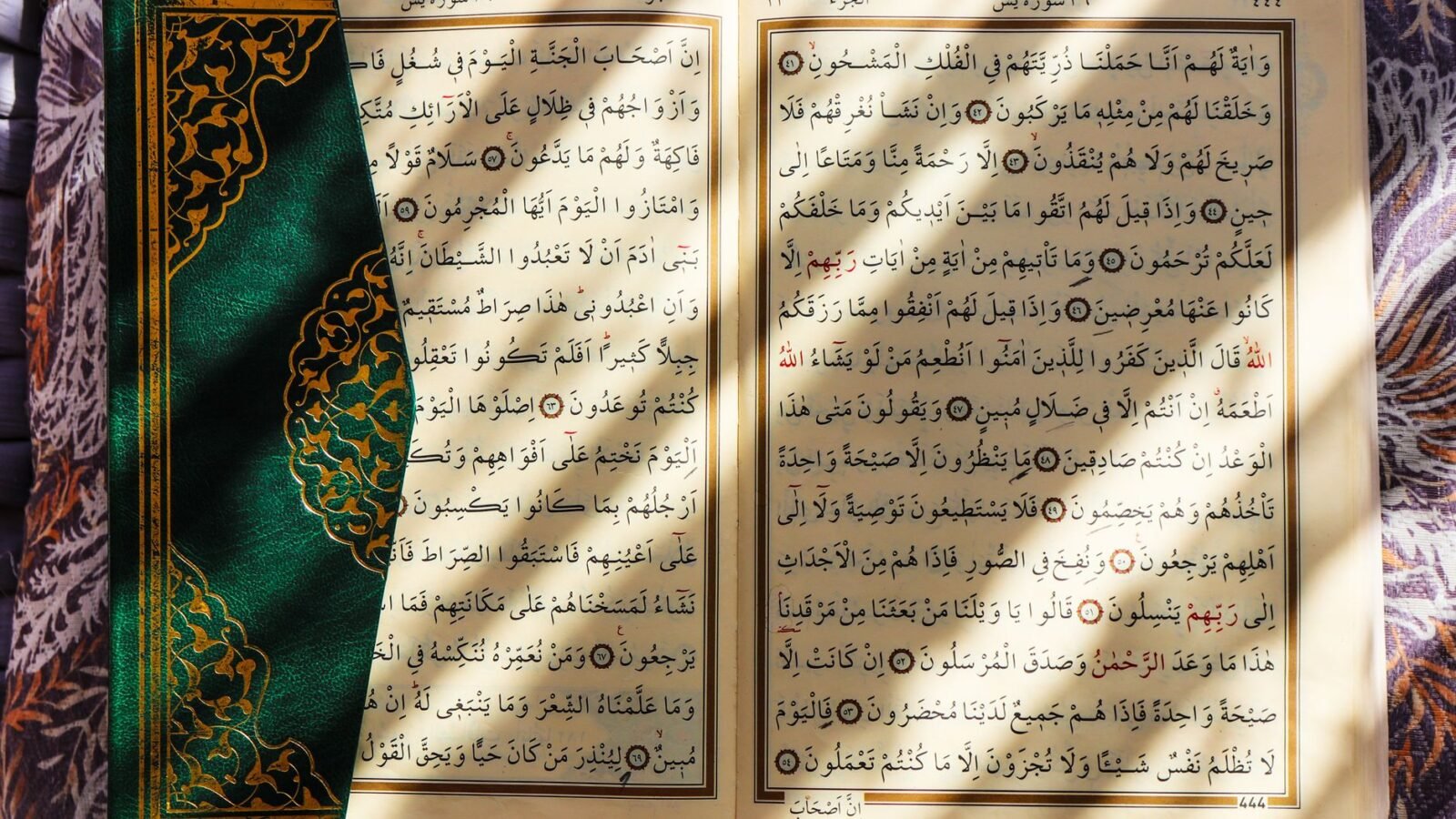
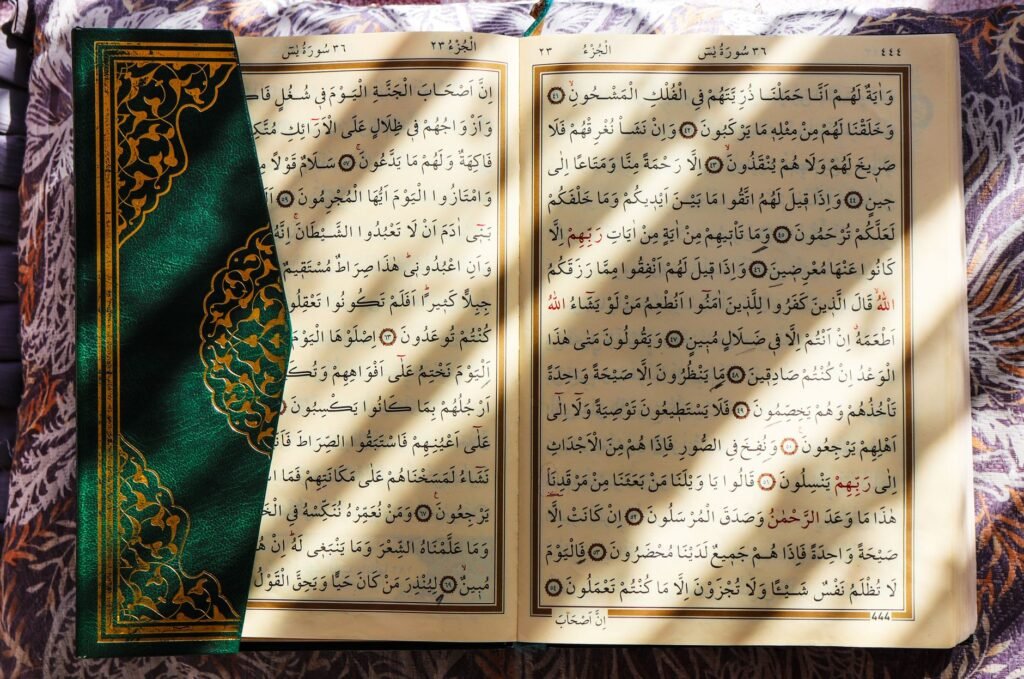
In the cacophony of global news cycles, it is often the subtle, almost imperceptible signals that carry the most profound weight. Today's report on Iran's 'Funeral Diplomacy' — the strategic deployment of Quranic verses at a prominent ayatollah's funeral to telegraph geopolitical intent — offers a potent reminder that in the Gulf, the language of power transcends official communiqués and summit declarations. While the world tracks oil prices and security pacts, regional actors are engaging in a far more intricate dialogue, one steeped in cultural nuance, religious symbolism, and historical memory. Saudi Arabia, keenly attuned to these unspoken cues, understands that in this high-stakes theatre, silence, scripture, and symbolism can speak volumes.
This isn't merely an academic observation; it's a critical lens through which to view the ongoing de-escalation efforts and the broader reorientation of Gulf diplomacy. When Tehran chooses specific Quranic passages, it's not simply an act of piety; it's a deliberate act of communication, loaded with layers of meaning for those with the cultural literacy to decode them. For centuries, religious texts have served as both moral compass and political manifesto across the Islamic world. In an era where direct confrontation carries prohibitive costs, and 'winning' often means shaping perceptions and influencing narratives, this 'silent diplomacy' becomes an invaluable tool. It allows for messages to be conveyed without explicit commitment, alliances to be hinted at without formal declaration, and rivalries to be subtly underscored.
The implications for Saudi Arabia, as it navigates its Vision 2030 ambitions and its recalibrated regional foreign policy, are significant. The Kingdom's own strategic communications are increasingly sophisticated, from public diplomacy campaigns to mega-projects designed to project a new national identity. Yet, the emphasis on digital engagement and global messaging must not overshadow the enduring power of traditional, symbolic communication within the regional context. As Saudi Arabia seeks to forge new economic partnerships and strengthen existing security ties, understanding and, crucially, engaging with these deeper cultural currents becomes paramount. Ignoring them is to miss half the conversation.
Consider the economic implications. Stability and predictability are cornerstones of investor confidence. While direct conflict is a clear deterrent, sustained ambiguity and misinterpretation of these symbolic exchanges can also breed uncertainty. Foreign investors, often reliant on explicit declarations and measurable metrics, may overlook the underlying tensions or opportunities signaled through such 'funeral diplomacy.' Gulf nations, in their push for diversification and global integration, must bridge this communication gap, perhaps by articulating their own responses to these symbolic overtures in ways that resonate both regionally and internationally.
Furthermore, this mode of communication highlights a persistent challenge: the gap between Western geopolitical analysis, which often prioritizes overt actions and official statements, and the intricate realities of Middle Eastern statecraft. To truly grasp the future trajectory of the Gulf — its shifting alliances, its economic recalibrations, and its social transformations — requires a deeper dive into its cultural and religious lexicon. The 'majlis' discussions, where these nuances are dissected and debated, are not just social gatherings; they are informal fora of strategic analysis, often more insightful than many official briefings.
The de-escalation trend, while welcome, is not a capitulation. It's a strategic repositioning by all parties, a recognition of shared vulnerabilities and evolving priorities. But beneath the surface of diplomatic handshakes and renewed flights, the contest for influence continues, albeit with a more nuanced toolkit. The ability to understand the 'Quranic verses' of regional politics, to discern the signals embedded in seemingly innocuous acts, will define who effectively navigates this complex terrain and who merely reacts to its surface manifestations.
So, as boardrooms across Riyadh and Dubai deliberate on market trends and growth projections, let us ask: Are we truly equipped to decode the full spectrum of regional communication? Or are we, in our pursuit of measurable outcomes and explicit declarations, missing the silent language of power that continues to shape the Gulf's destiny?
The world is changing, and so is the way power is articulated. In an era demanding deeper understanding, we must not shy away from the complex, often hidden, grammar of geopolitical intent. The future of the Gulf, and indeed its economic prosperity, may well hinge on our collective ability to read between the lines, and perhaps, between the verses.
🗞 National Times Newsroom — AI-assisted editorial desk · Reported by Alexander Vance, Editorial Director