Trump’s Covert Departure From NATO Summit Signifies Deeper Security Concerns
Trending Global
A reported presidential plane change at a NATO summit, ostensibly for security, raises questions about the nature of the threat and its implications.
What just happened
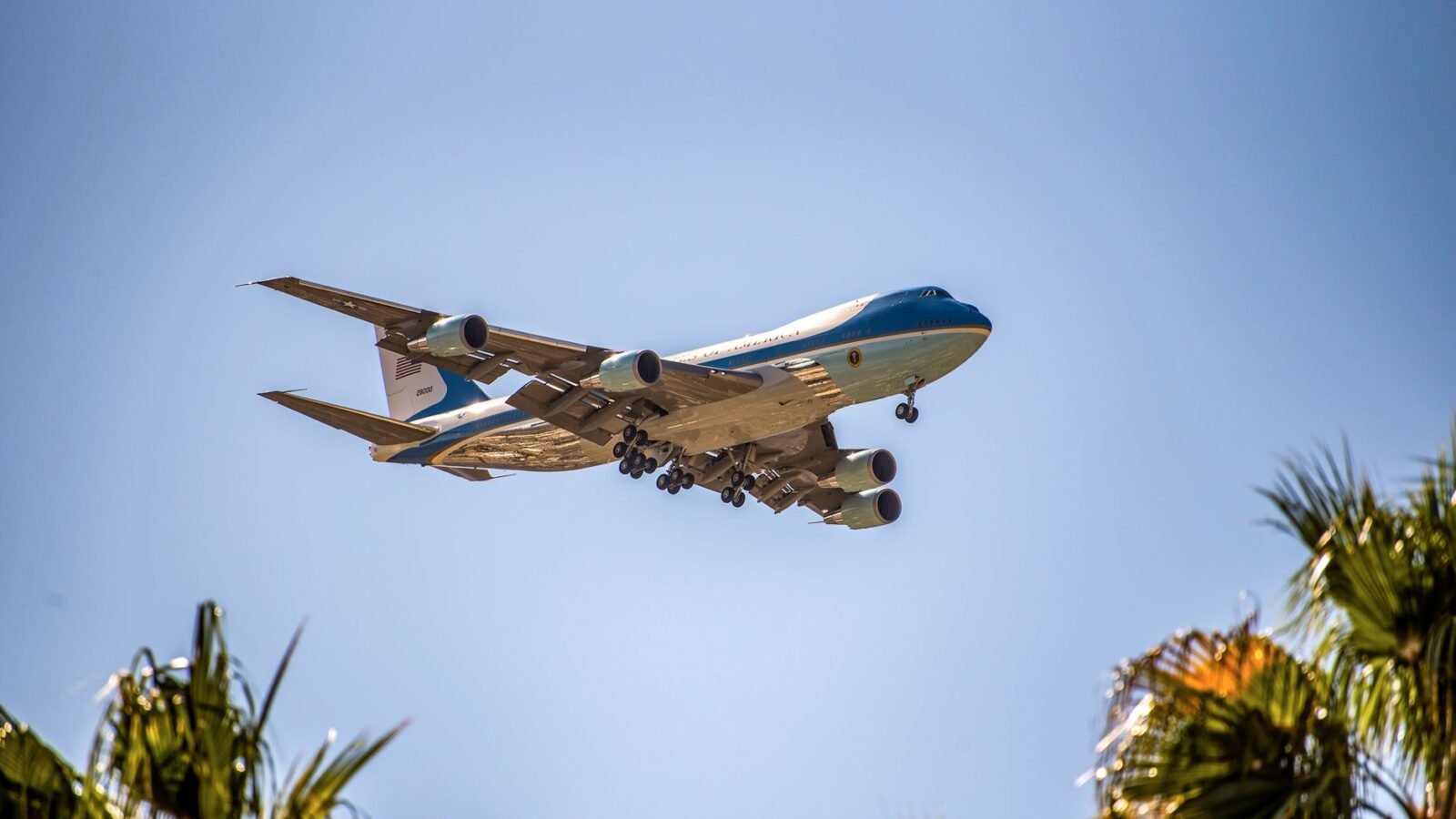
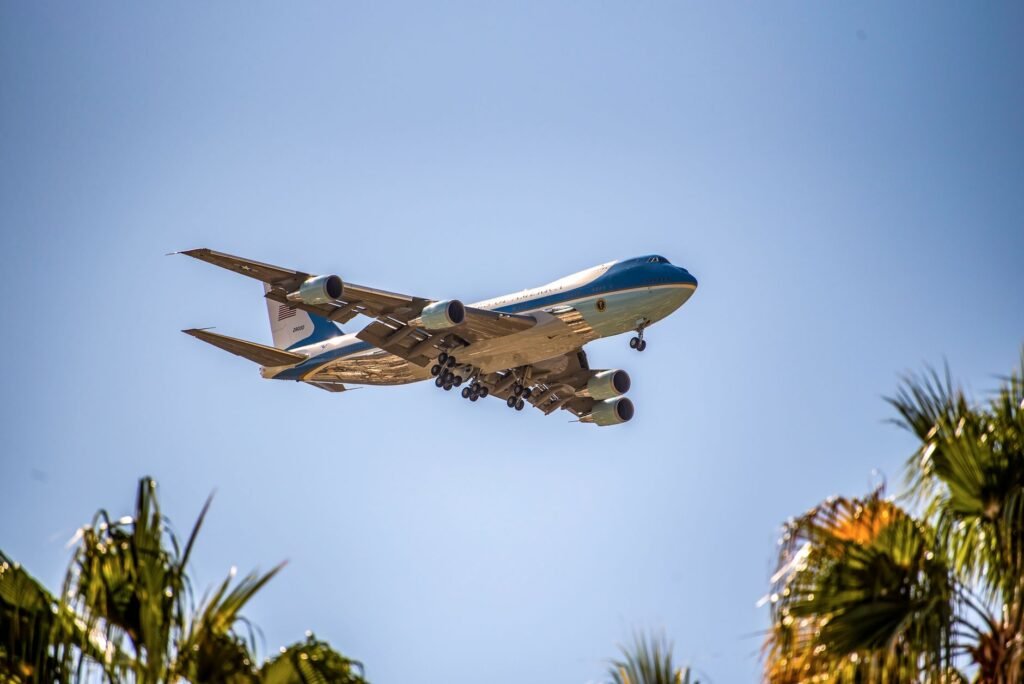
Reports indicate that at a recent NATO summit in Turkey, President Trump's departure involved an unexpected change of aircraft. While members of his cabinet remained on what appeared to be the primary presidential transport, the President himself boarded a separate plane for his exit. This atypical protocol was reportedly implemented in response to an unspecified threat originating from Iran. The incident suggests a significant, if unelaborated, security assessment necessitating a departure from standard, highly visible presidential travel arrangements. The use of a decoy aircraft for such a high-profile individual at an international gathering is an unusual measure, indicative of either a critically assessed danger or a strategic communication manoeuvre.
Why it is contested
The reported incident is contested not in its occurrence, but in its interpretation. The absence of specific details regarding the nature of the Iranian threat leaves considerable latitude for analysis, leading to divergent readings of what transpired. Was this an isolated, tactical response to a credible and imminent danger, or does it signify a broader, undeclared shift in the geopolitical security posture? Furthermore, the decision to allow cabinet members to remain on a decoy aircraft, potentially exposed to the very threat the President was evading, raises questions about risk assessment and the hierarchy of protective measures. The core contestation lies in discerning whether this was a reactive security measure or a proactive strategic signal, and what that distinction implies for international relations.
The competing narratives
One prevalent narrative posits that the covert departure was a direct, pragmatic response to a highly credible and specific Iranian threat. Under this interpretation, intelligence agencies had assessed a genuine and elevated risk to the President's safety, necessitating extraordinary protective measures. The strongest objection to this reading is the apparent disparity in risk assessment: if the threat was genuinely severe enough to warrant a decoy plane for the President, why were senior cabinet members left on the ostensible target? This suggests either a nuanced threat profile targeting only the President, or a less dire assessment of the overall risk to the travelling party.
An alternative narrative suggests the incident was less about immediate danger and more about strategic signalling. In this view, the highly visible, yet covert, manoeuvre was intended to convey a clear message to Iran about the severity with which the US views its activities, or to demonstrate a heightened state of alert to NATO allies. The objection here is that such a complex and potentially embarrassing stratagem for signalling seems disproportionate. Why risk the perception of vulnerability or disarray at a high-level summit if the primary goal was diplomatic messaging? This interpretation struggles to reconcile the operational complexity with the potential for misinterpretation or negative optics, unless the message being sent was deemed to outweigh these considerations.
What to watch next
The immediate focus will be on any subsequent official or unofficial commentary from US, Turkish, or Iranian sources that might illuminate the nature of the threat or the rationale behind the departure. The absence of such detail would itself be telling, suggesting a deliberate policy of strategic ambiguity. Observers will also be scrutinising changes in US-Iran rhetoric and military postures in the coming weeks. Any escalation or de-escalation of tensions, particularly in the Persian Gulf or wider Middle East, could retrospectively offer clues as to the severity and intent behind the incident. The broader implications for NATO security protocols, particularly regarding high-value targets at multinational gatherings, will also be under review, regardless of whether the event was a security measure or a political statement.
The bottom line
The reported use of a decoy plane by President Trump at the NATO summit in Turkey, attributed to an Iranian threat, leaves more questions than answers. Was this a narrowly averted crisis, an overabundance of caution, or a calculated strategic communication? The true impact hinges on whether the event was primarily a defensive manoeuvre against an active threat or a more complex political signal, intended for adversaries, allies, or both. Until further details emerge, the incident serves as a stark reminder of the persistent, underlying tensions in the region and the opaque nature of high-stakes international security operations, leaving observers to weigh the competing interpretations of a rare public glimpse into presidential security.
Source material: BBC News